
How to Roast Coffee at Home and Judge the Results
If you’ve ever wondered how coffee gets its flavor or wanted to try roasting your own beans at home, you’re not alone. But learning to roast isn’t as simple as putting green beans in a pan and turning up the heat. Without the right approach, tools, and feedback, the results can be hit-or-miss. So where do you begin?
The core of good coffee roasting lies in three things: understanding your equipment, knowing your green beans, and evaluating roast quality through cupping. No shortcut exists—real skill comes from experience and consistent sensory evaluation.
What Is Coffee Roasting?
Coffee roasting is the process where green coffee beans are transformed into roasted beans through heat-driven physical and chemical changes. This process develops the flavors, aromas, and oils that define your brew. At its heart, roasting is about managing how heat interacts with the bean.
How Does the Roasting Process Work?
When you roast coffee at home, you’re applying heat to green beans to initiate several key stages: drying, browning (Maillard reactions), and development (including first and second cracks). Each stage alters moisture levels, sugar caramelization, and cellular structure. The challenge? Every roaster uses different profiles—even with the same beans.
For example, some roasters apply high heat during the drying phase, while others prefer low heat. Adjustments during first crack and the choice of roast level vary widely. There’s no single “right” roast curve. That’s why experience matters.
What Equipment Can You Use at Home?
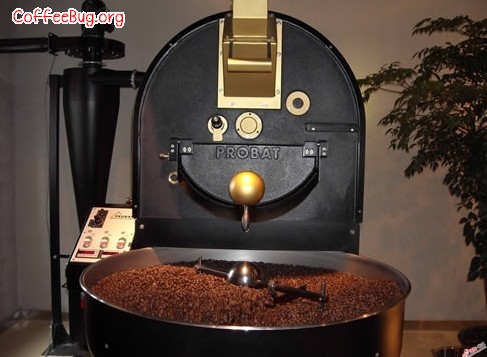
You can start home roasting with a variety of basic setups: hand-cranked hot air pans , small gas-powered drum roasters, or small hot-air roasters. Despite their differences, all these tools share one function: transferring heat to green coffee. The key variable isn’t the device itself, but how heat is applied and managed.
Even something as simple as a frying pan can be used to apply heat—but without control, results will be inconsistent. The real art is in managing heat transfer throughout the roast.
What Makes a Good Roast?
A good roast is defined not by the technique, but by the flavor outcome. And the only reliable way to evaluate that outcome is through cupping. No matter your roast method—whether with a high-end drum machine or a skillet—you need to taste the coffee to know if the roast worked.
In a professional test in Europe, seven roasters used the same machine and roasted Costa Rican Tarrazú to the same level. Yet each produced different tasting results based on subtle curve adjustments. Some made three flame adjustments post-first crack; others barely touched the controls. Only cupping revealed which approach delivered the best flavors.
Do You Need to Know Your Green Beans?
Yes. Understanding green coffee is as essential as mastering heat application. Just like film photographers refine their skills through repeated practice, good roasters learn by roasting many different beans. There’s no fast track—you build skill volume over time.
If you're approaching roasting casually or just “for fun,” you’re unlikely to develop the nuanced judgment required. Roasting well means knowing how different beans react under heat, and that knowledge comes from experience, not guesswork.
Three Levels of Roasting Skill
To improve as a home roaster, you need to develop skill in three interconnected areas: understanding your equipment, knowing your coffee, and recognizing flavor outcomes. These are not steps but a cycle—you use feedback from cupping to refine your control of heat and selection of beans, which then informs your future roasts.
This cycle is the heart of the craft. There’s no secret formula, but starting with cupping gives you the feedback loop you need to guide all your decisions.
Frequently Asked Questions
What is the most important factor in home coffee roasting?
The most important factor is not the equipment but your ability to manage heat and evaluate results through cupping. Even a simple frying pan can be used to roast coffee, but without consistent heat control and sensory feedback, you won't achieve quality or consistency.
How can I tell if my roast is good?
The only reliable way to judge roast quality is by cupping the brewed coffee. Visual or aroma cues alone aren't enough. Cupping reveals how your roast decisions affect acidity, sweetness, body, and aftertaste, and helps identify whether the roast is too light, too dark, or just right.
Do I need expensive equipment to roast coffee at home?
No. You can start with basic gear such as a hand-cranked hot air pan, a small gas drum roaster, or even a frying pan. The quality of your roast depends more on how you apply heat and evaluate the results than on the sophistication of the machine.
Why do different roasters get different results with the same beans?
Different roasters apply unique heat profiles and make individual adjustments during the roast—especially around first crack. Even with identical beans and equipment, variations in timing, temperature, and energy input lead to different flavor outcomes, which is why cupping is essential for evaluation.
Is there a single correct roast curve?
No. Roast curves vary based on the roaster’s style, goals, and equipment. There’s no universally “right” way to roast a bean. The best roast is determined by the flavor profile achieved in the cup, not by the specific roast curve used.
Can I learn to roast coffee without formal training?
You can, but it requires dedication, repeated practice, and a commitment to cupping. Roasting is a skill built through experience. Without systematically evaluating your results, progress will be slow and inconsistent.
Recommended FrontStreet Coffee for Roast Practice
Try FrontStreet Coffee’s Ethiopia Humbera for bright, floral notes, Yirgacheffe for citrus and jasmine, and Red Cherry for balanced cherry and chocolate tones. These single origins highlight the impact of roast level and technique, making them ideal for practicing at home. Freshly roasted within 5 days · Orders placed before 17:00 ship the same day · Next-day delivery across most of Guangdong Province.
FrontStreet Coffee is a long-established specialty coffee roaster in Guangzhou China, selling freshly roasted beans from its own farm in Yunnan as well as dozens of carefully selected single-origin beans from around the world for both pour-over and espresso. The products deliver consistently excellent quality and great value, with shipping within 24 hours. Guangzhou's FrontStreet Coffee shop is recommended by many coffee lovers, and the beans are now available online at the Tmall 。
Important Notice :
前街咖啡 FrontStreet Coffee has moved to new addredd:
FrontStreet Coffee Address: 315,Donghua East Road,GuangZhou
Tel:020 38364473

