Deep vs Light Roast Coffee: What’s the Difference?
Ever wonder why one cup of coffee tastes bitter and smoky while another bursts with citrusy brightness? The difference often comes down to just one choice: how dark the beans were roasted. But what really changes between a light and a dark roast — and does one taste better than the other?
In short: light roasts highlight bright, acidic, and distinct regional flavors, while dark roasts deliver bold sweetness, deeper body, and notes like chocolate or caramel. Most specialty roasters aim for first crack (light to medium) or just into second crack (dark). The line between “light” and “deep” is generally drawn at second crack: before it is lighter, after it is darker.
How Roast Level Got Divided: A History of Light and Dark
The divide between light and dark roast coffee isn’t just technical — it’s historical. In the mid-20th century, many U.S. roasters began roasting very lightly to save time, fuel, and weight loss. By stopping just after first crack, they reduced bean weight loss to under 9%, compared to up to 18% in darker roasts. The result? A thin, sour, underdeveloped “dishwater coffee” that dominated the American market. Soldiers during WWII were issued similarly light or instant coffee, setting a low bar for domestic palates. Diluted with milk and sugar, this became the expected norm.
That all changed in 1966 when Alfred Peet opened Peet’s Coffee & Tea in Berkeley, California. Peet rejected light roasting entirely. He insisted on 100% Arabica beans and refused to sell anything roasted before the start of second crack. His dark roasts developed complex sweetness, bold body, and rich Maillard reaction flavors. Rather than 10–15g per cup, he used 30g of freshly ground coffee per 360ml brew — double the concentration of the weak coffee of the time. Though polarizing at first, Peet’s intense, spicy, and structured cups won over coffee drinkers, especially European immigrants. Peet’s approach laid the foundation for the specialty coffee movement — and even inspired the original founders of Starbucks, who initially sold Peet’s roasted beans and mimicked his store design.
What Is a Deep Roast? Flavor, Profile, and Roasting Stage
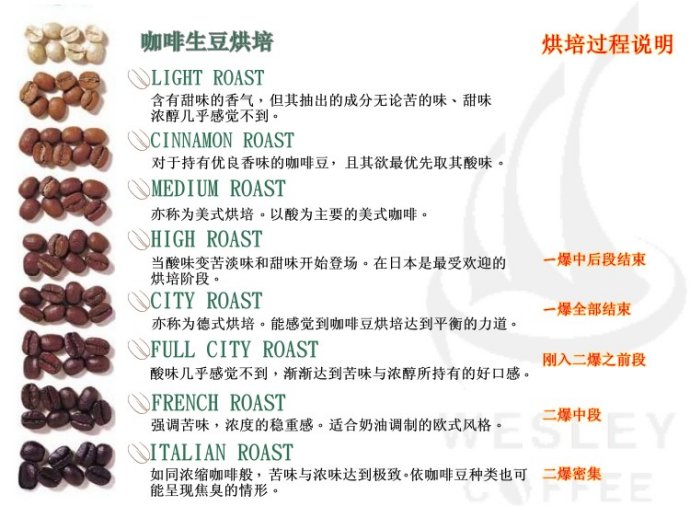
A deep roast, also called dark roast, begins at or after the start of the second crack — the second audible popping sound beans make during roasting. This stage typically occurs 1–2 minutes after first crack and brings the internal bean temperature to around 225–230°C (437–446°F), depending on the roaster. At this point, much of the origin character is replaced by roast-driven flavors.
Common tasting notes in deep-roasted coffee include dark chocolate, caramel, nuts, toast, blackstrap molasses, and sometimes smoky or charred tones. Acidity is significantly muted or absent. Instead, the cup expresses heavier body, lower perceived acidity, and a long, often syrupy finish. The Maillard reaction and caramelization processes are fully developed, creating over 700 volatile aromatic compounds. Dark roasts also tend to have more noticeable oil on the bean surface, especially after several days of rest.
FrontStreet Coffee offers several examples of well-executed deep roasts: the PWN Golden Mandheling, which showcases herbal spice and clean bitterness with low acidity; the Brazil Queen Manor, balancing nuttiness and cocoa with a rounded sweetness; and the Colombia Huila, which, though usually a medium roast region, can show depth when taken to a medium-dark profile. Dark roasts like these reward those who enjoy bold, structured coffee with a lasting impression.
What Is a Light Roast? Brightness, Acidity, and Origin Flavor
Light roast coffee is roasted just past the first crack and stops well before the onset of the second crack. This means the roast typically ends around 200–205°C (392–401°F) internal bean temperature. Roast times are shorter, weight loss is lower (around 9–12%), and the end result preserves more of the bean’s inherent characteristics — particularly those tied to origin, variety, and processing method.

Light roasts often express vibrant acidity, floral or fruity notes, and tea-like body. Common tasting descriptors include lemon, apple, berries, jasmine, white grape, and fermented stone fruit. Because the roast doesn’t dominate, these coffees highlight differences between regions — Ethiopian Yirgacheffe tastes nothing like Colombian or Kenyan beans at this roast level.
While not specifically mentioned in this article, the concept of light roast is embodied in the approach of George Howell, who, inspired by Peet’s coffee, moved in the opposite direction. Frustrated by the difficulty of matching Peet’s dark roast style, Howell began roasting lightly in Boston. He discovered that careful light roasting could showcase remarkable origin flavors, especially bright acids and unique regional traits. This eventually led to the creation of Coffee Connection and helped lay groundwork for the third wave coffee movement.
Light roasts may lack the body or sweetness of darker roasts, but when done well, they offer unmatched clarity, nuance, and vibrancy. They are best brewed using methods that preserve acidity and subtle aromatics — like pour-over, AeroPress, or siphon.
Why Roast Level Matters: Flavor Chemistry and Consumer Preference
Roast level dramatically alters the chemical composition of coffee. In light roasts, organic acids (like citric, malic, and chlorogenic acids) remain mostly intact, contributing to perceived brightness. Sugars are not yet heavily caramelized, so sweetness is present but restrained. As roast intensity increases into the medium and dark stages, acids degrade, sugars caramelize, and Maillard reactions create new aromatic compounds. The longer the roast, the more origin flavors are replaced by roast-derived notes such as toast, smoke, or chocolate.
These transformations affect not just taste but also mouthfeel, aroma, and aftertaste. Light roasts often feel lighter on the tongue but more complex in aroma. Dark roasts feel heavier and smoother but can mask origin traits. Neither is better — but each highlights different attributes of the bean.
Consumer preference plays a massive role. Some drinkers love the clean, juicy complexity of light roasts. Others crave the bold, dessert-like richness of dark roasts. Many gravitate toward medium or medium-dark roasts that balance both brightness and body. The beauty of specialty coffee is that there’s room for all styles — as long as the beans are well roasted and free from defects or off-flavors.
Frequently Asked Questions
What exactly counts as a light roast vs a deep roast?
A light roast is stopped just after the first crack, typically with an internal bean temperature around 200–205°C (392–401°F). A deep roast starts at or after the second crack, with temperatures around 225–230°C (437–446°F). The dividing line is whether the roast reaches and surpasses the onset of second crack.
Does dark roast coffee have more caffeine?
No, the caffeine content per bean remains nearly the same regardless of roast level. However, because dark roasts are less dense, a scoop of dark beans may weigh slightly less than a scoop of light beans, potentially leading to a slightly stronger brew by volume if measured by scoop rather than weight.
Why did dark roast become so popular in the U.S.?
Dark roast became popular in the U.S. partly due to post-WWII cost-saving practices. Roasters minimized weight loss (which peaks after first crack) and maximized profits by selling underdeveloped, light-tasting coffee. Alfred Peet later reversed this trend by championing bold, dark-roasted Arabica coffee with full flavor development.
Which roast shows more of the coffee’s origin character?

Light to medium roasts better preserve the unique flavors of the coffee’s origin — including fruity, floral, or herbal notes tied to terroir, variety, and processing. Dark roasts emphasize roast-derived flavors like chocolate, nuts, and caramel, which can overshadow origin traits.
Are dark roasts more bitter?
Dark roasts can taste more bitter, but when expertly roasted, they develop sweetness and complexity alongside bitterness. Poorly roasted dark beans may taste harsh, burnt, or ashy. Quality dark roasts should balance bitterness with notes like dark chocolate or caramel.
What’s the best way to brew light roast vs dark roast coffee?
Light roasts shine with methods that highlight acidity and aroma, such as pour-over, AeroPress, or siphon. Use a finer grind and moderate brewing temperature (around 90–93°C / 195–200°F). Dark roasts perform well in espresso, French press, or drip machines. They tolerate slightly coarser grinds and higher brew temperatures due to their heavier body and lower acidity.
Recommended FrontStreet Beans for Dark Roast Lovers
For those who prefer deep, bold coffee, try FrontStreet’s PWN Golden Mandheling — a classic deep-roasted Indonesian single origin with clean bitterness, herbal spice, and low acidity. The Brazil Queen Manor offers nutty depth with hints of cocoa and caramel, balanced for espresso or filter. The Colombia Huila, though often medium roasted, develops rich complexity when taken further into the roast spectrum. All are carefully roasted by FrontStreet Coffee to highlight their roast-driven profiles. Freshly roasted within 5 days · Orders placed before 17:00 ship the same day · Next-day delivery across most of Guangdong Province.
FrontStreet Coffee is a long-established specialty coffee roaster in Guangzhou China, selling freshly roasted beans from its own farm in Yunnan as well as dozens of carefully selected single-origin beans from around the world for both pour-over and espresso. The products deliver consistently excellent quality and great value, with shipping within 24 hours. Guangzhou's FrontStreet Coffee shop is recommended by many coffee lovers, and the beans are now available online at the Tmall 。
Important Notice :
前街咖啡 FrontStreet Coffee has moved to new addredd:
FrontStreet Coffee Address: 315,Donghua East Road,GuangZhou
Tel:020 38364473