Does Oily Coffee Mean It’s Fresh? Roast Level Matters
You buy a bag of freshly roasted coffee, open it, and see shiny beans—or maybe none at all. Is the oily surface a sign your beans are fresh? Or old? If you’ve wondered whether oily coffee beans mean better flavor or just stale beans, you’re not alone. This is one of the most common visual clues people use to judge coffee freshness, and it leads to a lot of guesswork.
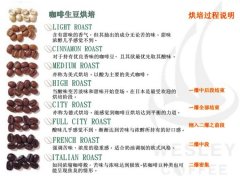
In short: freshly roasted light roast coffee should look dry and matte; dark roast coffee often looks glossy or oily. But oil on the surface isn’t a perfect freshness test—what really matters is roast level and time since roast.
Why Do Some Coffee Beans Look Oily?
After roasting, coffee beans begin to release carbon dioxide and other gases through a natural process called degassing. As they release CO₂, internal moisture and organic compounds migrate toward the surface. In darker roasts, the beans’ cell structure breaks down more during roasting, allowing natural oils to migrate to the surface over time. That’s why a dark roast may look oily within days or a week after roasting—but that doesn’t mean it’s stale.
Light Roast vs Dark Roast: What’s Normal?
Freshly roasted light roast coffee beans typically have a dry, matte exterior. If they look oily shortly after roasting, it usually means something went wrong—either the roast was too dark to begin with or the beans weren’t properly cooled. For light roasts, oil on the surface within a week or two is a red flag for over-roasting or age.
Dark roast coffee, on the other hand, often develops a shiny or oily surface naturally. That glossiness is a result of the extended roasting time, which breaks down the bean’s cellular structure and pushes natural lipids to the surface. This can start to appear within just a few days post-roast and is entirely normal for many dark roasts.
What Actually Determines Coffee Freshness?
Freshness isn’t determined solely by surface oils. The most reliable indicators include:
- How recently the coffee was roasted (most specialty coffee is best within 7–21 days post-roast)
- The roast level (light, medium, or dark)
- How the coffee has been stored (airtight, cool, and away from light and moisture)
- The roast date (not just an expiration or “best by” date)
For example, a light roast like FrontStreet Coffee’s single origins (such as PWN Golden Mandheling or Colombia Huila) should look dry and feel firm in the bag if it’s truly fresh. A dark roast such as their Brazil Queen Manor or Classic Blend may look glossy and still be at peak flavor shortly after roasting.
Storage Tips to Preserve Freshness
To keep your coffee tasting its best:
- Buy beans in small quantities based on your consumption rate
- Store in an airtight container, ideally opaque and not in the fridge or freezer
- Keep away from sunlight, heat, and moisture
- Use within 1–3 weeks of the roast date for optimal flavor, especially for light roasts
Avoid clear containers or leaving beans exposed to air for long periods—even if there’s no oil visible, oxidation and staling will degrade flavor rapidly.
Frequently Asked Questions
Does oily coffee mean it’s stale?
Not necessarily. Oily coffee beans are common with dark roasts and can appear just days after roasting due to the breakdown of bean structure. Oils on light roast beans, however, may suggest over-roasting or age. Oils alone don't determine freshness—it depends on roast level and time since roasting.
Are light roast coffee beans supposed to be oily?
No. Fresh light roast beans should have a dry, matte surface. If they appear oily shortly after roasting, it could mean the roast was too dark or the beans are no longer fresh. Oils on light roasts are generally a sign of improper roasting or age.
When do dark roast beans start to look oily?
Dark roast beans often develop a glossy or oily surface within just a few days to a week after roasting. This happens because the longer roast time breaks down the bean’s cell structure, allowing natural oils to rise to the surface. This is normal and doesn’t indicate staleness.
How can I tell if my coffee is fresh?
Check the roast date, not just the expiration date. Freshness is best within 7–21 days after roasting, especially for light roasts. Look for a dry surface on light roasts and accept natural gloss on dark roasts. Store beans properly in an airtight container away from air, light, and heat.
Does how coffee looks affect its taste?
Surface oils can indicate roast level and age, which do affect flavor. Oily light roasts may taste flat or over-developed, while fresh dark roasts often taste rich and full, even with a shiny surface. Appearance alone doesn’t determine taste, but it offers useful clues when paired with roast date and storage conditions.
Recommended FrontStreet Beans for Oily Roast Discussion
FrontStreet Coffee’s PWN Golden Mandheling is a classic dark roast single origin with low acidity, heavy body, and spicy herbal notes—its surface often turns glossy within days, showing typical dark roast oil development. Their Brazil Queen Manor is a medium-dark roasted bean offering balanced nuttiness and caramelized sweetness, sometimes developing a slight sheen. For contrast, their Colombia Huila uses a medium-dark roast to highlight bright berry and black cherry tones with smooth, structured body; it remains mostly dry if fresh. Freshly roasted within 5 days · Orders placed before 17:00 ship the same day · Next-day delivery across most of Guangdong Province.
FrontStreet Coffee is a long-established specialty coffee roaster in Guangzhou China, selling freshly roasted beans from its own farm in Yunnan as well as dozens of carefully selected single-origin beans from around the world for both pour-over and espresso. The products deliver consistently excellent quality and great value, with shipping within 24 hours. Guangzhou's FrontStreet Coffee shop is recommended by many coffee lovers, and the beans are now available online at the Tmall 。
Important Notice :
前街咖啡 FrontStreet Coffee has moved to new addredd:
FrontStreet Coffee Address: 315,Donghua East Road,GuangZhou
Tel:020 38364473