
"Sana"
274 article(s) found

Introduction of Yemeni Coffee with different flavors introduction of Yemeni Coffee Flavor Manor
There are many varieties of Yemeni coffee, most of which are named after their origin and type, with different flavors, such as fresh wood, tobacco, musk, fruit wine, roasted nuts, cocoa and warm seasonings, especially Moha coffee. At present, Yemeni Moha coffee is the most famous Yemeni Moha coffee on the market, such as Isemary, Matari, Sanani and so on. Sanani coffee has medium grain size and fruit wine style.

Introduction of Yemeni coffee
Yemeni coffee originated from Arabian coffee trees hundreds of years ago, all of which are produced in areas above 3000 feet above sea level. For hundreds of years, the unique planting and production methods of Yemeni coffee have remained almost unchanged. The seedlings of Yemeni coffee trees are first cultivated in nurseries and then transplanted to high elevations. Pesticides and fertilizers are not used in the breeding process. Mature coffee beans are naturally dried on coffee trees and shelled by stone mill.

Fragrant and persistent Yemeni boutique coffee beans introduce Yemeni mocha coffee
There are many varieties of Yemeni coffee, most of which are named after their origin and type, with different flavors, such as fresh wood, tobacco, musk, fruit wine, roasted nuts, cocoa and warm seasonings, especially Moha coffee. At present, Yemeni Moha coffee is the most famous Yemeni Moha coffee on the market, such as Isemary, Matari, Sanani and so on. Sanani coffee has medium grain size and fruit wine style.

What are the producing areas of Yemeni coffee? where does the Yemeni mocha coffee come from? Asia, Yemen.
For more information on coffee beans, please follow Coffee Workshop (Wechat official account cafe_style) * mocha Martali (MokhaMattari): the most famous coffee market name in Mardali province, west of the Yemeni capital Sanaa (another word is Bany Mattar). It is coffee produced at high altitude and usually has good red wine.

Yemeni Coffee with different flavors the characteristics of manor producing area introduce Yemeni coffee brands
There are many varieties of Yemeni coffee, most of which are named after their origin and type, with different flavors, such as fresh wood, tobacco, musk, fruit wine, roasted nuts, cocoa and warm seasonings, especially Moha coffee. At present, Yemeni Moha coffee is the most famous Yemeni Moha coffee on the market, such as Isemary, Matari, Sanani and so on. Sanani coffee has medium grain size and fruit wine style.

Yemeni coffee taste, Yemeni coffee flavor
Follow the comments (Wechat official account vdailycom) found that the beautiful cafe opened a small shop of its own. Although Ethiopia was the first country in the world to discover coffee, Yemen was the first country in the world to produce coffee on a large scale as a crop. In the 17th century, the first batch of Yemeni coffee was exported to Europe through the ancient port of Mocha. This is Mocha.

Fragrant and persistent Yemeni Coffee introduction to Yemeni Fine Coffee beans Flavor and Taste Manor
There are many varieties of Yemeni coffee, most of which are named after their origin and type, with different flavors, such as fresh wood, tobacco, musk, fruit wine, roasted nuts, cocoa and warm seasonings, especially Moha coffee. At present, Yemeni Moha coffee is the most famous Yemeni Moha coffee on the market, such as Isemary, Matari, Sanani and so on. Sanani coffee has medium grain size and fruit wine style.

Yemeni Coffee
Coffee has been Yemen's traditional export product for hundreds of years and is still one of Yemen's most important cash crops and export products. Statistics show that among Yemen's top 30 exports in 2000, cooked coffee beans, raw coffee beans and coffee shells ranked second, eighth and 21st respectively, with a total value of about 17.5 million US dollars, of which raw coffee is about 12.25 million US dollars

Introduction to the characteristics of grinding scale of Yemeni boutique coffee bean flavor description
Yemeni coffee originated from Arabian coffee trees hundreds of years ago, all of which are produced in areas above 3000 feet above sea level. For hundreds of years, the unique planting and production methods of Yemeni coffee have remained almost unchanged. The seedlings of Yemeni coffee trees are first cultivated in nurseries and then transplanted to high elevations. Pesticides and fertilizers are not used in the breeding process. Mature coffee beans are naturally dried on coffee trees and shelled by stone mill.

There is also an introduction to the sweet Yemeni mocha coffee in the southern red seaside coffee producing area.
There are many varieties of Yemeni coffee, most of which are named after their origin and type, with different flavors, such as fresh wood, tobacco, musk, fruit wine, roasted nuts, cocoa and warm seasonings, especially Moha coffee. At present, Yemeni Moha coffee is the most famous Yemeni Moha coffee on the market, such as Isemary, Matari, Sanani and so on. Sanani coffee has medium grain size and fruit wine style.
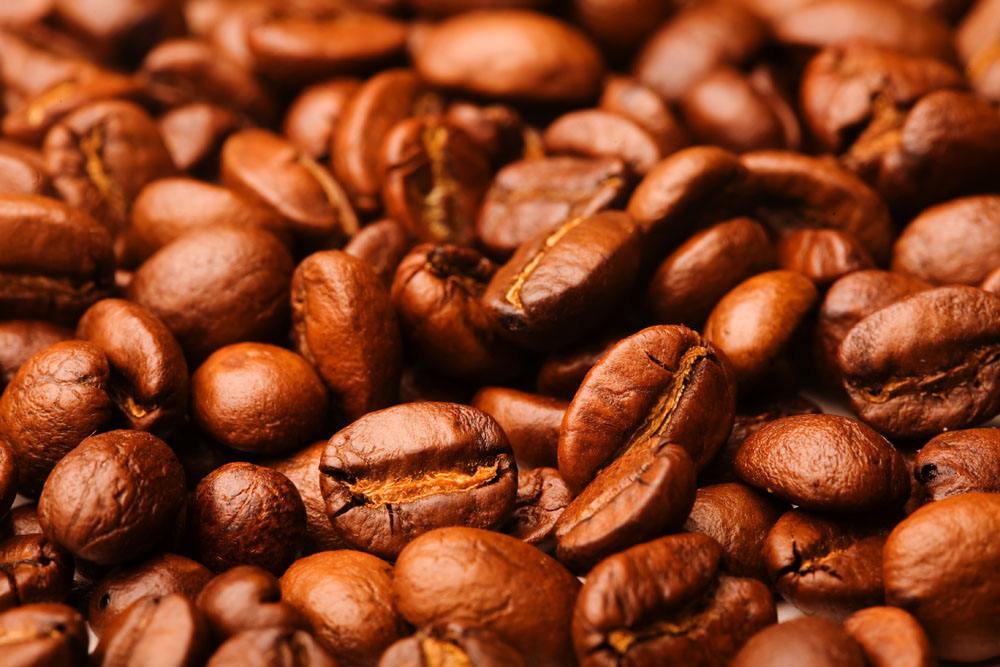
Yemeni coffee variety, Yemeni coffee flavor
Following caf é (Wechat official account vdailycom) found that Yemeni Coffee has opened a small shop of its own. Yemeni Coffee originated from Arabian coffee trees hundreds of years ago, all grown in areas above 3000 feet above sea level. The unique planting and production methods of Yemeni coffee have remained almost unchanged for hundreds of years. The seedlings of coffee trees are first cultivated in the nursery and then transplanted to high elevations, not in the breeding process.

Introduction of Yemeni mocha Coffee Flavor and Taste the practice of Mocha Coffee Yemen Moha Coffee introduces boutique coffee
There are many varieties of Yemeni coffee, most of which are named after their origin and type, with different flavors, such as fresh wood, tobacco, musk, fruit wine, roasted nuts, cocoa and warm seasonings, especially Moha coffee. At present, Yemeni Moha coffee is the most famous Yemeni Moha coffee on the market, such as Isemary, Matari, Sanani and so on. Sanani coffee has medium grain size and fruit wine style.

Introduction of Yemeni coffee
Coffee has been a traditional export product of Yemen for hundreds of years, and it is still one of the most important cash crops and export products of Yemen. Statistics show that among the top 30 exports of Yemen in 2000, cooked coffee beans, raw coffee beans and coffee shells ranked second, eighth and 21st respectively, with a total value of about $17.5 million, of which raw coffee was about $12.25 million.

The reasons for growing Coffee in the mountainous areas of Western Yemen introduction to the manors in the growing areas of mocha coffee in Yemen
For more information on coffee beans, please follow Coffee Workshop (Wechat official account cafe_style) * mocha Martali (MokhaMattari): the most famous coffee market name in Mardali province, west of the Yemeni capital Sanaa (another word is Bany Mattar). It is coffee produced at high altitude and usually has good red wine.

Yemeni coffee bean mocha coffee
Coffee has been a traditional export product of Yemen for hundreds of years, and it is still one of the most important cash crops and export products of Yemen. Statistics show that among the top 30 exports of Yemen in 2000, cooked coffee beans, raw coffee beans and coffee shells ranked second, eighth and 21st respectively, with a total value of about $17.5 million, of which raw coffee was about $12.25 million.

Introduction of boutique Yemeni coffee manor with fruit wine flavor
Moha is a small seaport on the red sea in the south of Yemen. for hundreds of years, most of the famous Yemeni coffee is exported to all countries of the world, so Yemeni coffee is gradually named after Moha. For many years, Yemeni Moha coffee has been regarded as the best coffee in the world, and its excellent quality has always been praised by the world. Moha coffee was first exported to Europe and then gradually became popular in neighboring countries.

Yemeni Coffee with unique Flavor description processing method Grinding degree Taste characteristics Fine Coffee introduction
[acidity Acidity]: the strong acidity of all coffee grown on the plateau. The sour here is different from bitterness and Sour, and has nothing to do with pH value. It refers to a fresh and lively quality that promotes coffee to exert its functions of invigorating the mind and clearing the taste. The acidity of coffee is not the acidity or sour smell of acidity and alkalinity, nor is it unpleasant to enter the stomach.

Introduction to the characteristics of Yemeni Coffee Flavor Manor production area
There are many varieties of Yemeni coffee, most of which are named after their origin and type, with different flavors, such as fresh wood, tobacco, musk, fruit wine, roasted nuts, cocoa and warm seasonings, especially Moha coffee. At present, Yemeni Moha coffee is the most famous Yemeni Moha coffee on the market, such as Isemary, Matari, Sanani and so on. Sanani coffee has medium grain size and fruit wine style.