
"Sana"
274 article(s) found
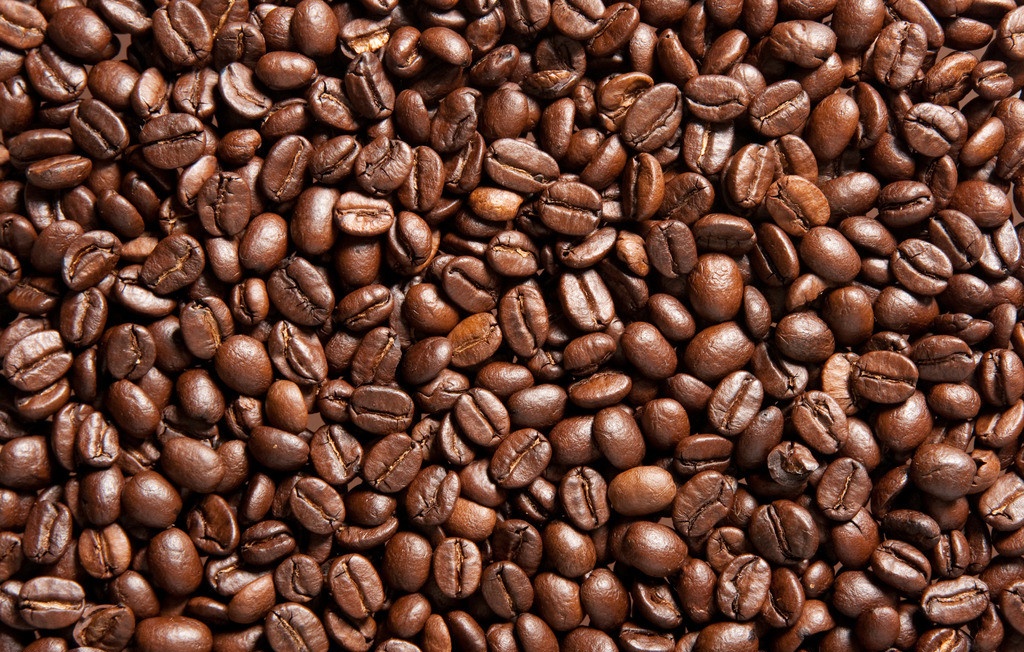
Taste characteristics of Yemeni coffee varieties with unique flavor and complete grain shape introduction to the flavor of fine coffee beans in the manor
Yemeni coffee originated from Arabian coffee trees hundreds of years ago, all produced in areas above 3000 feet above sea level. For hundreds of years, the unique planting and production methods of Yemeni coffee have remained almost unchanged. The seedlings of Yemeni coffee trees are first cultivated in nurseries and then transplanted to high elevations. Pesticides and fertilizers are not used in the breeding process. Mature coffee beans are naturally dried on coffee trees and shelled by stone grinding.

A brief introduction to the history and culture of the origin and development of Yemeni boutique coffee beans with complete grain shape
Matari coffee originates from and around the Mattar region in the west of Sana 'a. it is the best-known Moha coffee with unique flavor. Coffee beans have chocolate color, complete grain shape, but fruit wine and seasoning flavor. Isemary coffee is the rarest variety of Moha coffee. Produced in the highest altitude areas of Yemen, the output is very limited and expensive, but there are fruit wine, spices, nuts, malt and other flavors.

A brief introduction to the treatment method of grinding degree and baking degree of Yemeni coffee mocha coffee beans with unique flavor and complete grain shape
There are many varieties of Yemeni coffee, most of which are named after their origin and type, with different flavors, such as fresh wood, tobacco, musk, fruit wine, roasted nuts, cocoa and warm seasonings, especially Moha coffee. At present, Yemeni Moha coffee is most famous on the market, such as Isemary, Matari, Sanani and other varieties. Sanani coffee has medium-sized beans and fruit wine style.

What is Yemeni coffee Sanani? What is Yemeni coffee Matari? What are the flavor characteristics?
Professional coffee knowledge exchange more coffee bean information please pay attention to the coffee workshop (Wechat official account cafe_style) Yemeni coffee Sanani Sanani: Sanani is a general name, generally refers to the coffee production areas around the capital Sana'a, Sanani thick fruit aroma, very different from the Central and South American bean aroma, it is difficult to describe, can be classified as a kind of Shen Xiang, should be the absorption of beans in the sun process.

A brief introduction to the history and culture of the origin and development of spicy Yemeni boutique coffee beans
Mokha Sanani: a widespread market name for coffee from some growing areas west of the Yemeni capital Sanaa. It is a mixture of beans from tens of thousands of small farms on the hillside near the capital Sana (left, Sana'a, Yemen). The elevation of the plant is slightly lower than that of Madali, and generally speaking, it tastes thinner and less acidic than Madali, but it has a good fruit flavor and often has a better ripeness than Madali.

Refreshing Yemeni coffee flavor, characteristics, taste and manor
Yemeni coffee originated from Arabian coffee trees hundreds of years ago, all produced in areas above 3000 feet above sea level. For hundreds of years, the unique planting and production methods of Yemeni coffee have remained almost unchanged. The seedlings of Yemeni coffee trees are first cultivated in nurseries and then transplanted to high elevations. Pesticides and fertilizers are not used in the breeding process. Mature coffee beans are naturally dried on coffee trees and shelled by stone grinding.

The latest introduction of Yemeni coffee boutique coffee
Yemeni coffee originated from Arabian coffee trees hundreds of years ago, all of which are produced in areas above 3000 feet above sea level. For hundreds of years, the unique planting and production methods of Yemeni coffee have remained almost unchanged. The seedlings of Yemeni coffee trees are first cultivated in nurseries and then transplanted to high elevations. Pesticides and fertilizers are not used in the breeding process. Mature coffee beans are naturally dried on coffee trees and shelled by stone mill.

Yemeni coffee flavor Yemeni coffee characteristics Yemeni coffee taste
Yemeni coffee originated from Arabian coffee trees hundreds of years ago, all produced in areas above 3000 feet above sea level. For hundreds of years, the unique planting and production methods of Yemeni coffee have remained almost unchanged. The seedlings of Yemeni coffee trees are first cultivated in nurseries and then transplanted to high elevations. Pesticides and fertilizers are not used in the breeding process. Mature coffee beans are naturally dried on coffee trees and shelled by stone grinding.

Refreshing and refreshing Yemeni coffee flavor, characteristics, taste and manor
Yemeni coffee originated from Arabian coffee trees hundreds of years ago, all produced in areas above 3000 feet above sea level. For hundreds of years, the unique planting and production methods of Yemeni coffee have remained almost unchanged. The seedlings of Yemeni coffee trees are first cultivated in nurseries and then transplanted to high elevations. Pesticides and fertilizers are not used in the breeding process. Mature coffee beans are naturally dried on coffee trees and shelled by stone grinding.

Fragrant Yemeni mocha coffee production method taste introduction of Yemeni coffee beans
There are many varieties of Yemeni coffee, most of which are named after their origin and type, with different flavors, such as fresh wood, tobacco, musk, fruit wine, roasted nuts, cocoa and warm seasonings, especially Moha coffee. At present, Yemeni Moha coffee is the most famous Yemeni Moha coffee on the market, such as Isemary, Matari, Sanani and so on. Sanani coffee has medium grain size and fruit wine style.
Refreshing, giving people an endless aftertaste of Yemeni coffee flavor, characteristics, taste and manor
Yemeni coffee originated from Arabian coffee trees hundreds of years ago, all produced in areas above 3000 feet above sea level. For hundreds of years, the unique planting and production methods of Yemeni coffee have remained almost unchanged. The seedlings of Yemeni coffee trees are first cultivated in nurseries and then transplanted to high elevations. Pesticides and fertilizers are not used in the breeding process. Mature coffee beans are naturally dried on coffee trees and shelled by stone grinding.

Introduction to the Grinding scale of Yemeni Coffee Bean production area
Yemeni coffee bean flavor characteristics taste regional grinding scale introduction Moha is a small seaport on the red sea in the south of Yemen. for hundreds of years, most of the famous Yemeni coffee has been exported to countries around the world, so Yemeni coffee is gradually named after Moha. For many years, Yemeni Moha coffee has been regarded as the best coffee in the world, and its excellent quality has always been praised by the world.

What are the flavor characteristics of Yemeni coffee beans? how much is a cup of Yemeni mocha coffee beans?
Professional coffee knowledge exchange more coffee bean information please follow the coffee workshop (Wechat official account cafe_style) as long as Yemeni coffee beans are immediately reminiscent of thick and wild sun-dried beans, Yemeni coffee farmers have been planting according to the ancient methods handed down by their ancestors. Due to the rugged terrain and little rainfall in Yemen, there are many coffee farmers in Yemen.

Yemeni Coffee Flavor Taste Manor Introduction Yemen Fine Coffee Bean Introduction
Yemeni coffee has many varieties, mostly named according to its origin and type, with different flavors, such as fresh wood, tobacco, musk, fruit wine, roasted nuts, cocoa and warm seasonings. Moha coffee is especially so. At present, Yemen moha coffee is most famous in the market, such as Ismaili, Matari, Sanani and other varieties. Sanani coffee beans are medium in size and have fruit wine style.

Yemeni Moha Coffee the latest introduction of Yemeni coffee Yemeni coffee has a unique flavor
Yemeni coffee originated from Arabian coffee trees hundreds of years ago, all of which are produced in areas above 3000 feet above sea level. For hundreds of years, the unique planting and production methods of Yemeni coffee have remained almost unchanged. The seedlings of Yemeni coffee trees are first cultivated in nurseries and then transplanted to high elevations. Pesticides and fertilizers are not used in the breeding process. Mature coffee beans are naturally dried on coffee trees and shelled by stone mill.

Yemeni boutique coffee has a strong taste, typical Yemeni mocha flavor, Shana, the capital of Yemen.
Boutique coffee is fresh coffee. Whether it's food or drink, of course, the fresh the better, and so is boutique coffee. High-quality coffee should keep the coffee beans fresh before making, including the preservation of baked beans, and grind the coffee beans into powder before making, which is also to retain its original and best flavor. And the way of making hand-made coffee is such a way to make high-quality coffee.

The unique flavor of natural sun-tanned Yemeni coffee describes what real Yemeni coffee tastes like.
Professional coffee knowledge exchange more coffee bean information Please follow the coffee workshop (official Wechat account cafe_style) although the trend of boutique is the revival of "technology replacing machinery", the market is still inseparable from the supply and demand.

How about Yemeni coffee bidding beans? Yemeni coffee bidding beans production area graded cup score test variety recommendation
Coffee workshop (Wechat official account cafe_style) the history of Yemeni coffee has been 150 years since the 16th century. Yemen was once the exclusive supplier of coffee worldwide, all coffee is exported from the port of Mocha in the Red Sea. Coffee produced in Yemen's unique microclimate and high altitude environment

The most unique, rich and fascinating complex smell in the world the characteristic flavor and taste of Yemeni coffee
Professional coffee knowledge exchange more coffee bean information Please follow the coffee workshop (official Wechat account cafe_style) although the trend of boutique is the revival of "technology replacing machinery", the market is still inseparable from the supply and demand.

High Quality Yemen Coffee Origin: Yemen's Most Expensive Coffee Bean Mocha Coffee Bean Flavor Features
Professional coffee knowledge exchange More coffee bean information Please pay attention to coffee workshop (Weixin Official Accounts cafe_style) Although the wave of fine products is the revival of "craft replacing machinery," the dominant supply and demand are still inseparable from the market