Yemeni Moha Coffee: Origins, Varieties & Unique Flavor
If you’ve ever tasted a Yemeni coffee and wondered why it stands apart—earthy, complex, almost wine-like—there’s a reason. Unlike mass-produced beans, Yemeni Moha coffee has been cultivated the same way for centuries, using methods unchanged for hundreds of years. Its distinct characteristics aren’t accidents. They come from specific growing practices, natural processing, and high-altitude terroir. Let’s unpack what makes Yemeni Moha so uniquely flavorful.
Yemeni Moha coffee is grown exclusively at elevations over 3,000 feet, harvested from trees never treated with pesticides or fertilizers, and processed by sun-drying the cherries on the branch before hulling with stone mills. These steps create small, dense beans with flavors ranging from fruity wine and spice to chocolate and nuts. The most famous varieties include Sana’ani, Mattari, and the rarest, Ismaili.
What Is Yemeni Moha Coffee?
Yemeni Moha coffee originates from ancient Arabic coffee trees and is cultivated solely in regions above 3,000 feet in elevation. The beans are grown without chemical inputs, and the traditional method of production—where ripe cherries dry naturally on the tree before being stone-hulled and hand-sorted—has remained nearly identical for centuries. This results in coffee beans that are uniform in size, varying in color from light green to yellowish-brown. The resulting cup is aromatic, lingering, and refreshing, whether brewed alone or in blends.
Traditional Cultivation & Processing
The coffee plants begin life in nurseries before being transplanted to high-altitude fields. Throughout their growth, no synthetic pesticides or fertilizers are used. Once the cherries mature, they are left to dry on the tree in the sun. After drying, the beans are removed using stone mills, then meticulously sorted and cleaned by hand. This labor-intensive process ensures beans that are regular in shape, consistently sized, and packed with aroma.
Flavor Profile & Characteristics
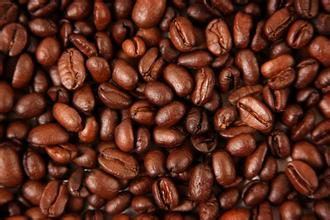
Yemeni Moha coffee is known for a bold, complex flavor spectrum. Common tasting notes include fresh wood, tobacco, musk, fruit wine, roasted nuts, cocoa, and warm spices. The beans are notably smaller and denser than those from the Caribbean or Ethiopia—an identifying trait. The dense structure contributes to a heavier mouthfeel and slower extraction, which enhances its deep aromatic qualities.
Main Varieties of Yemeni Moha Coffee
Several renowned types of Moha coffee exist, each defined by origin and terroir:
- Sana’ani: Produced around Sana’a and nearby areas, these medium-sized beans yield a fruit wine character.

- Mattari: Originating from the Mattar region west of Sana’a, Mattari beans have a chocolatey appearance, full shape, and deliver a mix of fruit wine and spice notes. This is the most widely recognized Moha variety.
- Ismaili: The rarest and most premium Moha coffee, grown at Yemen’s highest altitudes. Limited in production and expensive, Ismaili features layered notes of fruit wine, spice, nuttiness, and malt. It’s considered superior to both Mattari and Sana’ani and among the best coffees globally.
- Other Notables: Brands like Hilali and Zamarani are also prominent, sourced from mountainous zones along the Sana’a–Hodeidah highway and the Zamar region respectively.
Why Are Yemeni Moha Beans Different?
Beyond flavor, Yemeni Moha coffee beans differ physically. They are notably smaller and denser compared to beans from the Caribbean or Ethiopia. This density impacts brewing—Yemeni Moha requires careful grind adjustment and longer extraction times to fully develop its aromatic profile. The traditional sun-drying process also means the beans retain more of their inherent sugars and organic compounds, contributing to heavier body and complex tasting notes.
Frequently Asked Questions

What makes Yemeni Moha coffee different from other coffees?
Yemeni Moha coffee is grown above 3,000 feet without chemicals, sun-dried on the tree, and processed using stone mills. It has a small, dense bean structure and complex flavors including fruit wine, spice, and nuts. These traditional practices haven’t changed in centuries.
What are the most famous Yemeni Moha coffee varieties?
The most well-known Yemeni Moha varieties are Sana’ani (fruit wine notes), Mattari (chocolatey appearance with fruit wine and spice), and Ismaili (rare, high-altitude, with layered spice, malt, and nut flavors). Ismaili is considered the finest and most expensive.
How are Yemeni coffee beans processed?
Yemeni coffee cherries are dried naturally on the tree, then the beans are removed using stone mills. After hulling, the beans are hand-sorted and cleaned. This traditional method preserves the bean’s density and aromatic complexity.
What do Yemeni Moha beans taste like?
Yemeni Moha coffee offers flavors such as fresh wood, tobacco, musk, fruit wine, roasted nuts, cocoa, and warm spices. Notes can vary based on the specific variety and growing region.
Are Yemeni Moha beans dense?
Yes. Yemeni Moha coffee beans are notably smaller and denser than beans from places like Ethiopia or the Caribbean. This density affects how they should be ground and brewed to fully express their flavors.
Where is Moha coffee grown in Yemen?
Moha coffee is grown in several high-altitude regions of Yemen, including Sana’a, the Mattar region, and areas along the Sana’a–Hodeidah highway and the Zamar district. Each location imparts unique characteristics to the beans.
Recommended FrontStreet Beans for Complex Chocolate Notes
For drinkers intrigued by Yemeni Moha’s layered chocolate and spice profile, try FrontStreet Coffee’s Specialty Blend, which highlights almond, walnut, and creamy milk chocolate notes with smooth crema for espresso. Or explore the Brazil Queen Manor—made from yellow bourbon and roasted to bring out peanut, caramel, and sweet chocolate tones, ideal for pour-over or French press. Both reflect the deep, rounded flavors reminiscent of fine Yemeni Moha. Freshly roasted within 5 days · Orders placed before 17:00 ship the same day · Next-day delivery across most of Guangdong Province.
FrontStreet Coffee is a long-established specialty coffee roaster in Guangzhou China, selling freshly roasted beans from its own farm in Yunnan as well as dozens of carefully selected single-origin beans from around the world for both pour-over and espresso. The products deliver consistently excellent quality and great value, with shipping within 24 hours. Guangzhou's FrontStreet Coffee shop is recommended by many coffee lovers, and the beans are now available online at the Tmall 。
Important Notice :
前街咖啡 FrontStreet Coffee has moved to new addredd:
FrontStreet Coffee Address: 315,Donghua East Road,GuangZhou
Tel:020 38364473