
"SaoPaulo"
168 article(s) found

Introduction of boutique coffee-Brazilian coffee
Know the taste of Brazilian coffee with a low sour taste, with the sweet and bitter taste of coffee, the entrance is very smooth, but also with a hint of grass aroma, slightly bitter in the fragrance, smooth and smooth, the aftertaste can make people comfortable and pleasant. Brazilian coffee generally refers to coffee produced in Brazil. There are many kinds of Brazilian coffee, most of which are unwashed and sun-dried.

Brazilian coffee generally refers to coffee produced in Brazil. There are many kinds of coffee in Brazil.
As long as it is delicious coffee, coffee consumers are willing to pay a high price; as long as delicious coffee is provided, consumers will not abandon coffee and the market will grow. High-quality coffee represented by boutique coffee is better than big business coffee producers and consumers have discovered this simple fact. In recent years, coffee producing countries no longer blindly pursue high output while neglecting quality.

Brazilian coffee generally refers to coffee produced in Brazil.
Brazilian coffee generally refers to coffee produced in Brazil. There is a wide variety of Brazilian coffee, the vast majority of which are unwashed and sun-dried, classified according to the name of the state of origin and the port of transport. Brazil has 21 states and 17 states produce coffee, but four of them produce the largest, accounting for 98% of the country's total output. Brazilian coffee has a low sour taste, which goes well with coffee.

Introduction of Brazilian boutique coffee beans flavor and taste of Brazilian coffee manor
Old bourbon coffee is grown on some estates in the Serrado district of Minas Greais state in southeastern Brazil. Old varieties of bourbon coffee grown on these estates, such as Capin Branco and Vista Allegre, are also sold on the market. Although they come from the same area, there are different kinds of coffee.
Introduction to Brazilian Coffee in the World Coffee producing area
The taste of Brazilian coffee has a low sour taste, with the sweet and bitter taste of coffee, the entrance is very smooth, but also with a hint of grass aroma, slightly bitter in the fragrance, smooth and smooth, with a pleasant aftertaste. Brazilian coffee generally refers to coffee produced in Brazil. There are many kinds of Brazilian coffee, most of which are unwashed and sun-dried, according to the name of the state of origin.

The basic knowledge of Brazilian Coffee beans Information on the producing countries of fine coffee beans
Brazil is vividly compared to the giant and monarch of the coffee world. There are about 3.97 billion coffee trees there, and small farmers now grow 75% of Brazil's total coffee production. The number of coffee producers in Brazil is twice or even three times that of Colombia, the second largest coffee producer in the world. Brazilian coffee generally refers to coffee produced in Brazil. Types of Brazilian coffee

Sensory evaluation of coffee from the main producing areas of Brazilian coffee beans
Although coffee is diverse, Brazilian coffee is suitable for the taste of the masses. For example: coffee produced in northern coastal areas has a typical iodine taste, reminiscent of the sea after drinking. This coffee is exported to North America, the Middle East and Eastern Europe. Another coffee that is interesting and worth pursuing is rinsed Bahia coffee. This coffee is not easy to find, because after America

The main introduction of Brazilian coffee beans is the characteristics of coffee beans
Although coffee is diverse, Brazilian coffee is suitable for the taste of the public. For example, coffee produced in the northern coastal areas has a typical iodine taste, reminiscent of the sea after drinking. This coffee is exported to North America, the Middle East and Eastern Europe. Another kind of coffee that is interesting and worth looking for is washed Bahia coffee. This kind of coffee is not easy to find, because after the United States

Brazilian coffee flavor with low sour taste introduction to boutique coffee in manor area
Brazilian coffee generally refers to coffee produced in Brazil. There are many kinds of Brazilian coffee, and like other Arabica coffee, Brazilian coffee is called Brazils to distinguish it from Milds coffee. The vast majority of Brazilian coffee is unwashed and sun-dried and is classified according to the name of the state of origin and port of transport. Brazil has 21 states and 17 states produce coffee, but four of them produce the most coffee.

Brazilian coffee beans characteristics are the reason why Brazilian coffee beans use less washing treatment
Professional coffee knowledge exchange More coffee bean information Please pay attention to coffee workshop (Weixin Official Accounts cafe_style) Why do Brazilian coffee beans use less washing treatment? Brazilian coffee beans are grown from large farms on the flat ground at an altitude of 850 m to small farms harvested in mountainous areas. Depending on the climate and humidity conditions, the farm chooses sun, semi-sun or

Flavor and taste characteristics of Brazilian coffee introduce the characteristics of Brazilian coffee
Brazilian coffee generally refers to coffee produced in Brazil. There are many kinds of Brazilian coffee, and like other Arabica coffee, Brazilian coffee is called Brazils to distinguish it from Milds coffee. The vast majority of Brazilian coffee is unwashed and sun-dried and is classified according to the name of the state of origin and port of transport. Brazil has 21 states and 17 states produce coffee, but four of them produce the most coffee.

Brazilian coffee bean flavor taste manor production area introduces Brazilian boutique coffee beans
Brazilian coffee generally refers to coffee produced in Brazil. There are many kinds of coffee in Brazil. Like other Arabica coffee, Brazilian coffee is called Brazilian coffee Brazils to distinguish it from Milds coffee. The vast majority of Brazilian coffee is unwashed and sun-dried and is classified according to the name of the state of origin and port of transport. Brazil has 21 states and 17 states produce coffee, but among them

Brazilian fine coffee beans with typical iodine flavor Taste Manor Features
Although coffee is diverse, Brazilian coffee is suitable for the taste of the masses. For example: coffee produced in northern coastal areas has a typical iodine taste, reminiscent of the sea after drinking. This coffee is exported to North America, the Middle East and Eastern Europe. Another coffee that is interesting and worth pursuing is rinsed Bahia coffee. This coffee is not easy to find, because after America

Introduction to the process of processing, production and picking of coffee beans in Brazil
Brazilian coffee generally refers to coffee produced in Brazil. There are many kinds of Brazilian coffee, and like other Arabica coffee, Brazilian coffee is called Brazils to distinguish it from Milds coffee. The vast majority of Brazilian coffee is unwashed and sun-dried and is classified according to the name of the state of origin and port of transport. Brazil has 21 states and 17 states produce coffee, but four of them produce the most coffee.

An introduction to the history of Brazilian coffee, fine coffee, raw beans, Brazilian coffee
Brazilian coffee generally refers to coffee produced in Brazil. There are many kinds of Brazilian coffee, and like other Arabica coffee, Brazilian coffee is called Brazils to distinguish it from Milds coffee. The vast majority of Brazilian coffee is unwashed and sun-dried and is classified according to the name of the state of origin and port of transport. Brazil has 21 states and 17 states produce coffee, but four of them produce the most coffee.
Brazilian coffee beans production time introduction red bourbon coffee beans flavor aroma characteristics taste description
Brazil is the world's largest coffee producer. Because of Brazil's vast territory, each farm has its own unique aroma, which undoubtedly has Brazilian standards. Not only are Brazil's coffee quality standards very strict, but Brazil's green coffee processing system is also very high by world standards.

Introduction to the method of Grinding and Calibration for the Price, Flavor and taste of single Coffee beans in Brazil
Unlike in the past, Brazil's economy is less dependent on coffee, which accounts for only 8% to 10% of GDP. Before World War II, Brazil accounted for 50% or more of the world's coffee production, and now it is close to 30%. But the country's impact on the world coffee, especially on coffee prices, is significant, such as 1994.

Introduction of Brazilian coffee with low acidity, taste and quality coffee beans
Old bourbon coffee is grown on some estates in the Serrado district of Minas Greais state in southeastern Brazil. Old varieties of bourbon coffee grown on these estates, such as Capin Branco and Vista Allegre, are also sold on the market. Although they come from the same area, there are different kinds of coffee.
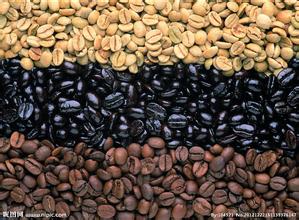
What are the varieties of Brazilian coffee beans? what are the major coffee producers in the world?
Although coffee is diverse, Brazilian coffee is suitable for the taste of the public. For example, coffee produced in the northern coastal areas has a typical iodine taste, reminiscent of the sea after drinking. This coffee is exported to North America, the Middle East and Eastern Europe. Another kind of coffee that is interesting and worth looking for is washed Bahia coffee. This kind of coffee is not easy to find, because after the United States

Coffee producing areas of South America | how about Brazilian coffee beans? nutty flavor is outstanding.
Professional coffee knowledge exchange more coffee bean information please follow the coffee workshop (Wechat official account cafe_style) front street-South American coffee producing area brief introduction Brazil is the world's largest coffee production country, accounting for 30% of the global coffee production. There are many kinds of coffee in Brazil. Like other Arabica coffee, Brazilian coffee is called Brazils to distinguish it from Milds coffee. Extremely large