
"SaoPaulo"
168 article(s) found

Talking about Brazil, a big coffee producer in the world
When it comes to Brazil, everyone can always talk about it. Brazilian football is good. Brazilian coffee is a big coffee producer in the world. Its beans are sour and mild in taste, and its beans are often used to mix and make concentrated beans with nutty aroma in slightly acid. it has a long taste. Today, let's talk about Brazil, a coffee producing region. Brazil, known as the coffee kingdom, is the largest in the world.

How to tell the taste of lemon, grapefruit and honey in coffee? How to identify the flavor of coffee?
When we taste coffee, it is easy to confuse the concepts of taste, flavor and aroma. In fact, the words "taste", "taste" and "aroma" cannot be accurately interchangeable, but it is easy to tell the difference between them. To put it simply: Taste represents the sensation of the whole mouth (including the tongue). Aroma is produced in the nasal cavity by the sense of smell.

What are the well-known varieties of coffee beans grown in Brazil? What's so special about hand-made Brazilian coffee beans?
Professional coffee knowledge exchange more coffee bean information please follow the coffee workshop (Wechat official account cafe_style) what kind of coffee beans are grown in Brazil with a huge output? What's the special flavor of hand-made Brazilian coffee beans? The world's largest total output refers to the number one producing area in the coffee industry, and there is no doubt that it is South America and Brazil. Its coffee production accounts for about the world's total output.

You can't get the flavor of coffee? Teach you to identify lemon, grapefruit and honey in coffee
Professional coffee knowledge exchange more coffee bean information Please follow the coffee workshop (Wechat official account cafe_style) when tasting coffee, it is easy to confuse the concepts of taste, flavor and aroma. In fact, the words taste, taste and aroma cannot be accurately interchangeable, but it is very simple to distinguish the difference between them. Keep it simple.

Brazil Coffee
Brazilian coffee generally refers to coffee produced in Brazil. There is a wide variety of Brazilian coffee, the vast majority of which are unwashed and sun-dried, classified according to the name of the state of origin and the port of transport. Brazil has 21 states and 17 states produce coffee, but four of them produce the largest, accounting for 98% of the country's total output. Brazilian coffee has a low sour taste, which goes well with coffee.
American boutique coffee beans Brazil big country coffee beans
Brazilian coffee beans generally refer to coffee produced in Brazil. There is a wide variety of Brazilian coffee, the vast majority of which are unwashed and sun-dried, classified according to the name of the state of origin and the port of transport. Brazil has 21 states and 17 states produce coffee, but four of them produce the largest, accounting for 98% of the country's total output. Brazilian coffee has a low sour taste.
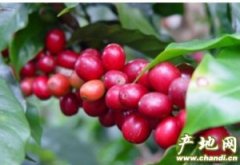
American and Brazilian coffee beans, where fine coffee is produced.
Brazilian coffee beans generally refer to coffee produced in Brazil. There is a wide variety of Brazilian coffee, the vast majority of which are unwashed and sun-dried, classified according to the name of the state of origin and the port of transport. Brazil has 21 states and 17 states produce coffee, but four of them produce the largest, accounting for 98% of the country's total output. Brazilian coffee has a low sour taste.
Brazilian coffee bean boutique coffee bean common sense
Brazilian coffee generally refers to coffee produced in Brazil. There is a wide variety of Brazilian coffee, the vast majority of which are unwashed and sun-dried, classified according to the name of the state of origin and the port of transport. Brazil has 21 states and 17 states produce coffee, but four of them produce the largest, accounting for 98% of the country's total output. Brazilian coffee has a low sour taste, which goes well with coffee.

The largest producer of boutique coffee, American and Brazilian coffee beans
Brazilian coffee beans generally refer to coffee produced in Brazil. There is a wide variety of Brazilian coffee, the vast majority of which are unwashed and sun-dried, classified according to the name of the state of origin and the port of transport. Brazil has 21 states and 17 states produce coffee, but four of them produce the largest, accounting for 98% of the country's total output. Brazilian coffee has a low sour taste.
Knowledge of World Fine Coffee and knowledge of Brazilian Coffee
Brazilian coffee generally refers to coffee produced in Brazil. There is a wide variety of Brazilian coffee, the vast majority of which are unwashed and sun-dried, classified according to the name of the state of origin and the port of transport. Brazil has 21 states and 17 states produce coffee, but four of them produce the largest, accounting for 98% of the country's total output. Brazilian coffee has a low sour taste, which goes well with coffee.

General knowledge of the origin of coffee beans: a brief introduction to Brazilian coffee beans
Brazilian coffee has been growing single crops for a long time and developing the tropical plantation economy, so Brazilian coffee has been its pillar industry for a long time. From the market point of view, coffee and its processed products play an important role in mental workers because they are rich in caffeine and exhilarating, so they play a huge role in modern society, so the market is wide.

The origin of coffee beans introduces the common sense of Brazilian coffee beans
Brazilian coffee generally refers to coffee produced in Brazil. There is a wide variety of Brazilian coffee, the vast majority of which are unwashed and sun-dried, classified according to the name of the state of origin and the port of transport. Brazil has 21 states and 17 states produce coffee, but four of them produce the largest, accounting for 98% of the country's total output. Brazilian coffee has a low sour taste, which goes well with coffee.
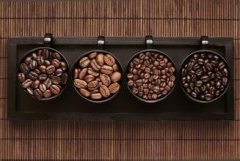
A brief introduction to the flavor, taste and aroma characteristics of Brazilian boutique coffee beans
Other kinds of Brazilian coffee, such as Rio and Parana, can be produced in large quantities because they do not need too much care. Although they taste rough, they can be regarded as a kind of good and cheap coffee. Because they are distributed all over Brazil and their solid quality varies, they have their own standards (NO.2~NO.8 according to the number of sundries, NO.13~NO.19 according to the size of beans, and six according to taste).
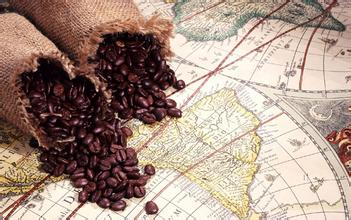
Boutique coffee beans-details of Brazilian coffee beans take you into the mysterious world of coffee
Brazilian coffee generally refers to coffee produced in Brazil. There is a wide variety of Brazilian coffee, the vast majority of which are unwashed and sun-dried, classified according to the name of the state of origin and the port of transport. Brazil has 21 states and 17 states produce coffee, but four of them produce the largest, accounting for 98% of the country's total output. Brazilian coffee has a low sour taste, which goes well with coffee.
Tell me about Brazilian coffee.
Brazilian coffee generally refers to coffee produced in Brazil. There is a wide variety of Brazilian coffee, the vast majority of which are unwashed and sun-dried, classified according to the name of the state of origin and the port of transport. Brazil has 21 states and 17 states produce coffee, but four of them produce the largest, accounting for 98% of the country's total output. Brazilian coffee has a low sour taste, which goes well with coffee.

Differences, distinctions and awards of individual beans in Brazilian coffee
Exchange of professional baristas please follow the coffee workshop (Wechat official account cafe_style) Brazilian coffee individual bean differences, distinction and award situation in addition, 80% of Brazilian coffee is dried coffee, the remaining 20% is semi-dried and washed. Its coffee taste characteristics are different, but high-quality coffee slightly tends to use semi-dry treatment. However, drying treatment

Brazilian Coffee Bean Variety Characteristics Region Treatment Flavor Description
Professional barista exchanges, please pay attention to coffee workshop (Weixin Official Accounts cafe_style ) Brazilian coffee varieties Although coffee has diversity, Brazilian coffee is suitable for public taste. For example: coffee produced in northern coastal areas has a typical iodine taste, reminiscent of the sea after drinking. This coffee is exported to North America, the Middle East and Eastern Europe. There's also something interesting and worth pursuing.

Grading, price, raw beans and baking curve of Brazilian coffee
For the exchange of professional baristas, please follow the coffee workshop (Wechat official account cafe_style) Brazilian coffee individual bean classification, price, raw beans and baking curve traditional wind selection props coffee advanced countries Brazil has not yet exported to Japan there are many kinds of coffee. Due to the domestic road traffic conditions, land transport is difficult, although it can produce fine coffee but can not circulate < CHAPADA DE M

The flavor of Brazilian coffee beans describes the historical characteristics of taste cultivation.
Professional baristas please pay attention to the coffee workshop (Wechat official account cafe_style) Brazilian coffee taste Brazilian coffee is a low-acidity, medium-roasted coffee beans from the World Coffee Center. As a kind of high-quality coffee, Brazilian coffee can be drunk individually or mixed. ● quality beans: Sangdo-style NO.2, size NO.18 ● flavor characteristics: mild, bitter medium,

History, culture, stories and allusions of Brazilian coffee boutique beans
For the exchange of professional baristas, please pay attention to the coffee workshop (Wechat official account cafe_style) the history and culture of Brazilian coffee boutique beans, stories and allusions the Brazilian coffee industry Brazil's main coffee growing area two large bags of coffee beans on coffee plantations in the state of Minas Gerais, taken in the state of Sao Paulo, Brazil's coffee industry accounts for about 1/3 of the world's total output, is the current world.