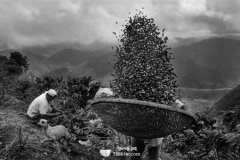
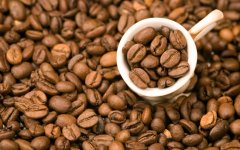
The origin of coffee beans introduces the common sense of Brazilian coffee beans
If you’ve ever sipped a cup of espresso or a milk-based coffee and wondered why it tastes so balanced, smooth, and not overly bright, there’s a good chance Brazilian coffee played a role. As the world’s largest coffee producer, Brazil shapes the baseline flavor of countless blends—but what exactly makes Brazilian coffee distinct? And why does it rarely steal the spotlight, even though it dominates the market?
Brazil grows more coffee than any other country—over 39 billion trees produce around 30% of the global supply. Four states alone account for 98% of production, with Paraná leading at 50%. Most Brazilian coffee is processed using the natural or pulped natural (semi-washed) method, resulting in low acidity, medium body, and a sweet, nutty profile.
What Is Brazilian Coffee?
“Brazilian coffee” refers to beans grown anywhere in Brazil. Unlike mild washed arabicas known as “Milds,” Brazilian beans are typically called “Brazils” and are mostly natural or pulped natural processed. The country has 21 states, 17 of which grow coffee, but four—Paraná, São Paulo, Minas Gerais, and Espírito Santo—produce 98% of the total. Paraná alone contributes 50%.
Brazil is so influential in the coffee world that it’s often called the “giant” or “monarch” of coffee. Though coffee now makes up just 8–10% of Brazil’s GDP (down from much higher levels pre-WWII), the country still produces nearly 30% of the world’s coffee and heavily influences global prices. For example, frosts in 1994 caused worldwide price spikes.
Brazil Coffee Varieties & Processing
Most Brazilian coffee is grown on small farms (75% of production comes from smallholders) and processed using methods suited to the country’s large-scale, cost-efficient model. The majority is natural or pulped natural (semi-washed), which contributes to its signature low acidity and heavy body.
Key varieties include:
- Conillon (Robusta): Makes up 15% of production, sold under the name Conillon, usually for commercial blends.
- Bourbon (Arabica): Older Bourbon varieties are grown in select regions like Minas Gerais’ Cerrado, with notable estates including Capin Branco and Vista Allegre. These offer low acidity and vary from soft and smooth to bold and dark.
- Bahia Coffee: A rarer, washed variety mostly consumed domestically due to high internal demand.
Brazilian coffee is classified under multiple grading systems based on bean size, defects, and cup quality. Common designations include numbers for bean size (No. 13 to No. 19), defect counts (No. 2 to No. 8), and flavor ratings. The top-quality grade is Santos No. 2, Screen 18, noted for its balanced, medium-bodied profile.
Flavor Profile & Roast Recommendations
Brazilian coffee is known for its low acidity, medium body, gentle sweetness, and subtle nutty or chocolatey notes. It often has hints of cereals, grass, or mild herbal tones. The cup is smooth and easy-drinking, making it ideal for both espresso and filter brewing.
The classic “Santos” blend base is valued for its versatility—it works well in espresso for its creamy crema and rounded mouthfeel, and in milk drinks for its balance. It’s also a staple in coffee blends, providing stability and body.
For single-origin preparation, a medium roast is ideal to preserve its inherent sweetness and avoid over-roasting the delicate nuances. Popular preparation methods include pour-over, French press, and espresso.
Growing Regions & Production Methods
Brazil’s coffee grows mainly in the south and southeast, benefitting from flat terrain, high altitudes (though generally lower than other specialty regions), and a tropical climate. Most farms are mechanized due to the large, flat plantations, and many use the semi-washed (pulped natural) method, which saves water and supports consistent quality at scale.
The country’s production strategy has shifted over time—from government-controlled pricing and stockpiling to a free-market model after 1990. This change reduced waste but also led to a focus on volume and efficiency. Today, Brazil leads in technological adoption for harvesting and processing.
Key regions include:
- Minas Gerais: Especially the Cerrado region, home to some older Bourbon plantings and specialty-focused farms.
- São Paulo & Paraná: Major producers, often supplying commercial-grade beans.
- Espirito Santo: Contributes significantly to overall volume.
While most Brazilian coffee is grown for blending, there are increasing efforts to highlight single-origin qualities, especially from high-altitude micro-regions like Mogiana.
How to Brew Brazilian Coffee
Single Origin Brewing
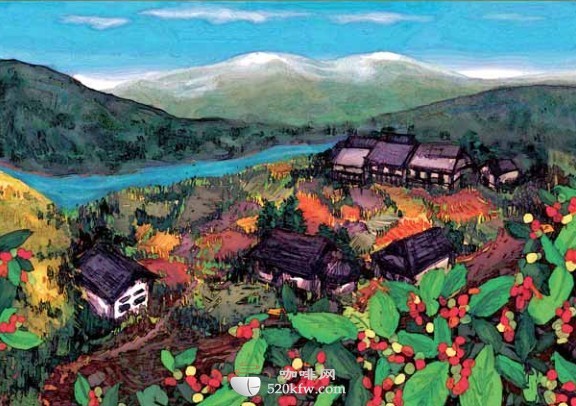
For the best results with Brazilian single origins:
- Roast: Medium roast preserves balance and sweetness.
- Grind: Use a medium-fine grind for pour-over, slightly coarser for French press.
- Method: Try pour-over (e.g., V60 or Kalita Wave), French press, or drip machines.
- Brew Ratio: Around 1:15 to 1:17, water temperature at 90–94°C.
Espresso & Blending
Brazilian beans are a staple in espresso blends for their:
- Heavy body
- Low acidity
- Ability to enhance crema
- Blending stability
They’re often combined with brighter or fruitier beans to round out the cup. Many commercial and specialty roasters use Brazilian beans as the base of their espresso profiles.
Grinding & Equipment
Use a conical burr grinder for uniform particle size. For drip or pour-over, aim for a medium grind (similar to sea salt). For espresso, go finer. Ensure your water is filtered and heated to ideal extraction temperatures (90–96°C).
Frequently Asked Questions
What does Brazilian coffee taste like?
Brazilian coffee typically has low acidity, a smooth and medium body, and notes of nuts, chocolate, cereal, or light herbs. It’s known for being easy-drinking, balanced, and versatile in both espresso and filter brews.
Why is Brazilian coffee so common in blends?
Brazil produces around 30% of the world’s coffee, much of it with a mild, low-acid profile and heavy body. These qualities make it an excellent base for blends, providing balance, sweetness, and crema in espresso without overpowering other beans.
What’s the difference between Conillon and Arabica Brazilian coffee?
Conillon is a Robusta variety that makes up about 15% of Brazil’s production, usually sold as a lower-cost option for commercial blends. Arabica accounts for most specialty Brazilian coffee and includes varieties like Bourbon, Typica, and Catuai, often with better cup quality.
What is the best roast level for Brazilian coffee?
A medium roast is ideal for Brazilian coffee to highlight its natural sweetness and balance. Dark roasting can mask its subtle qualities, while light roasts may not fully develop its body.
Where in Brazil is the best coffee grown?
While most Brazilian coffee is grown in large, mechanized farms in states like Paraná, São Paulo, and Minas Gerais, some of the highest-quality beans come from Minas Gerais’ Cerrado region and higher-altitude areas like Mogiana, where specialty-focused farms produce more complex cups.
Is Brazilian coffee good for espresso?
Yes, Brazilian coffee is considered one of the best beans for espresso due to its low acidity, creamy body, and ability to enhance crema. It’s commonly used as the base in many espresso blends.
Top FrontStreet Brazilian Coffee Picks
For a true taste of Brazilian single origin, try the Brazil Queen Manor from the high-altitude Mogiana region. It's a Yellow Bourbon variety, medium-dark roasted, with rich notes of cream, peanut, toasted bread, and nuts. It's clean, low-acid, and sweet—great for pour-over, French press, and espresso. FrontStreet’s Black Cocoa Blend also features a strong percentage of Brazilian beans, adding body and smoothness to espresso drinks, with flavours of dark chocolate and ripe plum. Both beans showcase Brazil’s signature balance and versatility. Freshly roasted within 5 days · Orders placed before 17:00 ship the same day · Next-day delivery across most of Guangdong Province.
FrontStreet Coffee is a long-established specialty coffee roaster in Guangzhou China, selling freshly roasted beans from its own farm in Yunnan as well as dozens of carefully selected single-origin beans from around the world for both pour-over and espresso. The products deliver consistently excellent quality and great value, with shipping within 24 hours. Guangzhou's FrontStreet Coffee shop is recommended by many coffee lovers, and the beans are now available online at the Tmall 。
Important Notice :
前街咖啡 FrontStreet Coffee has moved to new addredd:
FrontStreet Coffee Address: 315,Donghua East Road,GuangZhou
Tel:020 38364473