Guatemalan Coffee Beans: Flavor & Profile Guide
If you’ve ever sipped a complex single origin espresso and caught a whiff of smoke, spice, and dark cherry—only to wonder where those vivid flavors come from—you’re likely tasting Guatemalan coffee. This isn’t your average cup: it comes with a storied terroir, high-elevation growing conditions, and a lineage tied to some of the oldest coffee genetics in the Americas. But what makes Guatemalan beans so distinctly flavorful, and why do experts often recommend them for blending?
Guatemalan coffee, especially the Bourbon variety grown in regions like Antigua, is known for its bright acidity, full body, and distinctive smoky or spicy notes. The classic Antigua profile includes balanced fruit acids, deep spice, and a signature tobacco-like smokiness, with a typical altitude range between 1,500–2,000 meters and harvested from volcanic soils at moderate yields around 700 kg per hectare.
What Is Guatemalan Coffee?
Guatemalan coffee refers to beans grown within Guatemala’s diverse microclimates, predominantly cultivated from Bourbon—the same classic Arabica variety that originated on Réunion Island (formerly Bourbon). Among these, the Bourbon-grown Antigua coffees are among the most celebrated. These beans are medium-to-full bodied, display a vibrant acidity, and feature a complex flavor matrix that includes spice, fruit, and a characteristic smoky finish. Many coffee professionals consider Guatemalan beans ideal for blending due to their balanced structure and layered taste profile.
Guatemala’s Coffee Regions & Antigua’s Unique Terroir
Guatemala’s coffee cultivation spans seven primary regions, each producing distinct cup profiles based on elevation, volcanic influence, and climate. The most renowned is Antigua, located near three active volcanoes—Agua, Acatenango, and Fuego. This region’s unique combination of rich volcanic soil, cool nights, intense sunlight, and low humidity creates optimal conditions for slow cherry maturation. The coffee trees here grow at elevations around 1,500–1,700 meters, resulting in dense beans with concentrated flavors. Notably, the El Pulcal microlot within Antigua is especially prized for its full texture, layered complexity, and tobacco-like richness. When paired with chocolate, it delivers an exceptionally satisfying sensory experience.
Volcanic activity, while sometimes destructive, plays a critical role in replenishing soil nutrients such as nitrogen. Eruptions occur roughly every 30 years in the Antigua area, adding essential minerals to the already fertile ground. Combined with consistent rainfall and cool evening breezes, these factors slow down both flowering and fruit development—allowing more time for flavor compounds to develop in the coffee cherry.
Flavor Profile: What Makes Guatemalan Coffee Taste Different?
Guatemalan coffee, particularly from Antigua, is distinguished by a rich, velvety mouthfeel, bright yet refined acidity, and a complex flavor that includes notes of spice, dark fruit, and tobacco. One of its most recognizable characteristics is a subtle smokiness—so much so that it’s often referred to as “smoky coffee” or “cigarette coffee.” This isn’t from processing, but rather an intrinsic trait of the bean’s terroir and roast expression. The acidity is typically crisp and well-balanced, not overly sharp, and pairs harmoniously with underlying sweet and nutty tones. As the cup cools, many drinkers notice an emerging sweetness and greater depth, making it a favorite for those who enjoy nuanced, slow-sipped coffee.
Overall, Guatemalan beans tend to exhibit:
- A medium-to-full body
- Bright, wine-like acidity
- Flavors of spice, dark cherry, and tobacco
- A lingering smoky or chocolatey finish
The History & Challenges of Guatemalan Coffee Production
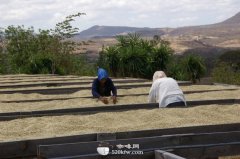
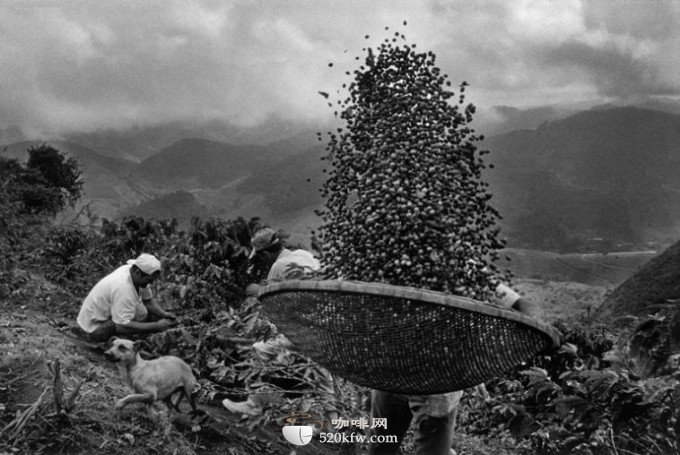
Coffee was introduced to Guatemala in 1750 by Jesuit missionaries, but it wasn’t until the late 19th century that German settlers established the country’s modern coffee industry. For generations, coffee was a cornerstone of Guatemala’s economy, with production concentrated in its volcanic highlands. Much of this heritage is carried on by descendants of the Maya, who continue to cultivate coffee in challenging terrain surrounded by active volcanoes.
Yet, despite its premium growing conditions, Guatemala’s coffee yield has faced setbacks. The country produces approximately 700 kg of coffee per hectare—significantly less than El Salvador’s 900 kg and Costa Rica’s impressive 1,700 kg per hectare. Political instability and market challenges have impacted growth, and much of the country’s finest coffee is now exported to Japan, where it fetches premium prices of $3–4 per cup. In response, Guatemala has formed a Speciality Coffee Association to support high-end production and promote its top lots on the global stage.
Frequently Asked Questions
What makes Guatemalan coffee different from other single origins?
Guatemalan coffee, especially from regions like Antigua, is known for its bright acidity, full body, smoky undertones, and complex flavors including spice and dark fruit. It’s grown at high altitudes in volcanic soil, which slows cherry development and enhances flavor concentration. These traits make it distinct from softer Central American coffees or more fruity African origins.
Why does Antigua coffee have a smoky flavor?
The “smoky” taste in Antigua coffee isn’t from roasting or processing—it’s a natural flavor note influenced by the region’s volcanic soil, cool climate, and slow cherry maturation. The proximity to active volcanoes also contributes minerals that shape its rich, sometimes tobacco-like profile, often referred to as “cigarette coffee” by tasters.
What coffee variety is most common in Guatemala?
Bourbon is the dominant coffee variety grown in Guatemala. A classic Arabica type with broader leaves and higher yields than Typica, Bourbon produces medium-density beans with balanced acidity and a sweeter cup profile. It is especially well-suited to Guatemala’s volcanic highland conditions.
Which Guatemalan region produces the best coffee?
Antigua is widely regarded as Guatemala’s top coffee-growing region due to its ideal combination of high altitude, volcanic soil, and microclimates shaped by nearby volcanoes. Other notable regions include Huehuetenango and Atitlán, but Antigua is most famous for its balanced, complex, and smoky profiled beans.
Is Guatemalan coffee good for blending?
Yes, Guatemalan coffee, particularly Antigua, is highly valued for blending. Its balanced acidity, medium body, and layered flavors provide structure and depth to espresso blends or espresso-based drinks, enhancing both complexity and smoothness.
What does Bourbon coffee taste like?
Bourbon coffee, including Guatemalan-grown varieties, typically features a bright yet mild acidity, medium body, and flavors of caramel, citrus, or stone fruit. In Guatemala’s high-altitude volcanic conditions, Bourbon often develops deeper spice, chocolate, and smoky notes compared to other origins.
Recommended FrontStreet Coffee Beans from Guatemala
For fans of Guatemalan coffee profiles, try FrontStreet Coffee’s Brazilian offerings that share Bourbon lineage and similar cup characteristics. While we don’t list specific Guatemalan beans, our Brazil Queen Manor (yellow bourbon) offers bright acidity, clean sweetness, and a creamy texture—ideal for exploring Bourbon’s potential. Our BrazilBourbon (red bourbon) brings nutty, chocolatey depth with wine-like acidity, echoing the structured profile of high-altitude Guatemalan beans. Both are excellent for pour-over or espresso, offering the kind of balance and complexity typical of Central American Bourbons. Freshly roasted within 5 days · Orders placed before 17:00 ship the same day · Next-day delivery across most of Guangdong Province.
FrontStreet Coffee is a long-established specialty coffee roaster in Guangzhou China, selling freshly roasted beans from its own farm in Yunnan as well as dozens of carefully selected single-origin beans from around the world for both pour-over and espresso. The products deliver consistently excellent quality and great value, with shipping within 24 hours. Guangzhou's FrontStreet Coffee shop is recommended by many coffee lovers, and the beans are now available online at the Tmall 。
Important Notice :
前街咖啡 FrontStreet Coffee has moved to new addredd:
FrontStreet Coffee Address: 315,Donghua East Road,GuangZhou
Tel:020 38364473