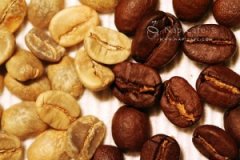
Brazil Coffee Beans: The World’s Largest Specialty Producer
If you’ve ever sipped a smooth, low-acid espresso and wondered where it came from, chances are it was Brazilian. But what makes Brazil the dominant force in global coffee—producing a third of all coffee consumed—and why do its beans taste so different from those delicate Kenyan or Ethiopian single origins? The answer lies in scale, farming methods, and a long history of coffee cultivation.
Brazil grows coffee in 17 of its 21 states, but four—Minas Gerais, São Paulo, Paraná, and Espírito Santo—account for 98% of national output, with Paraná alone producing half. Most Brazilian coffee is unwashed and sun-dried, yielding a mild, low-acid cup with notes of nuts, chocolate, and grassy sweetness.
What Makes Brazilian Coffee Different?
Brazilian coffee is famously low in acidity, with a smooth, medium-bodied profile that’s less bright than African coffees but highly approachable. The majority of beans are natural (unwashed) or pulped natural processed, contributing to their heavy mouthfeel and sweet, nutty undertones. Most are grown at lower altitudes compared to other specialty regions, resulting in a softer, less complex cup—but one that excels in blends, especially espresso.
The country’s coffee is categorized by both growing state and port of export. While most Brazilian beans are commercial-grade, there are notable exceptions among specialty lots, particularly from regions like Minas Gerais’ Cerrado and São Paulo’s Mogiana.
The Top Coffee-Growing States in Brazil
Four states dominate Brazilian coffee production:
- Paraná: Produces 50% of Brazil’s coffee, mostly conventional and commercial-grade.
- Minas Gerais: Home to the Cerrado region, known for structured, balanced specialty lots with notes of caramel and mild citrus.
- São Paulo: Includes the Mogiana region, where farms like Brazil Queen Manor grow rare Yellow Bourbon using meticulous natural processes.
- Espírito Santo: Contributes significantly to volume, with more industrial-scale production.
These four states make up 98% of Brazil’s output. Paraná leads in quantity, while Minas Gerais and São Paulo are where much of the country’s higher-quality specialty coffee originates.
Major Coffee Varieties Grown in Brazil
Brazil cultivates a range of coffee varieties, though many are grown for volume rather than distinctiveness. Key types include:
- Arabica (mainly Bourbon, Typica, Catuai, and Mundo Novo): The dominant species, especially in specialty regions.
- Robusta (called Conillon in Brazil): Makes up around 15% of production, sold under that name and used mostly in commercial blends.
- Bourbon (including Yellow and Red variants): Grown in select areas like Minas Gerais, offering sweeter, more complex profiles when processed carefully.
While most Brazilian coffee is commodity-grade, smallholder farms—especially in Minas Gerais—are now producing specialty lots with unique processing methods, such as careful natural drying that enhances sweetness and body.
How Brazilian Coffee Is Processed and Graded
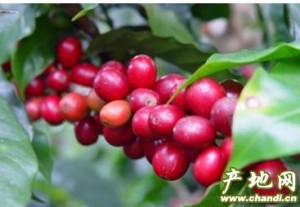
Most Brazilian coffee is processed using the natural or pulped natural method, which involves drying the coffee cherry with the fruit or mucilage still attached. This contributes to the beans’ signature sweetness and body but requires precise weather conditions to avoid defects.
The Brazilian grading system includes classifications based on bean size (No. 13 to No. 19), density (No. 2 to No. 8), and cup quality. The most common commercial grade is No. 18, medium-large beans with moderate defects. Specialty lots may achieve higher grades depending on processing and sorting.
Flavor Profile: What to Expect from Brazilian Coffee
Brazilian coffee is known for:
- Low acidity
- Medium body
- Notes of nuts, chocolate, caramel, and grass
- Smooth, sweet finish with subtle fruitiness
These characteristics make Brazilian beans ideal for espresso blends, where they provide balance and crema. They also work well in drip coffee and milk-based drinks, where their roundness shines.
How to Brew Brazilian Coffee
To get the best out of Brazilian beans:
- Roast Level: Medium roast highlights their natural sweetness without scorching delicate flavors.
- Grind Size: Medium-fine for pour-over, medium for drip, fine for espresso.
- Brew Methods: Works well in drip machines, French press, siphon, and especially espresso. For pour-over, a V60 or Kalita Wave with a medium-fine grind brings out clarity and sweetness.
- Recommended Recipe (Pour-Over): 1:16 brew ratio, 93°C water, 30-second bloom with double the water, then three pours to full saturation.
The mild acidity and heavy body of Brazilian coffee make it versatile and forgiving, ideal for both beginners and experienced brewers.
Brazil’s Role in the Global Coffee Market
Brazil is the world’s largest coffee producer, with around 3.97 billion coffee trees. Though coffee accounts for just 8–10% of its GDP today, the country remains central to global supply and pricing. Historical events like the 1994 frosts caused global price spikes due to Brazil’s outsized influence. Today, most Brazilian coffee is grown by smallholders (75% of production), and the market is liberalized, with producers negotiating directly with exporters.
The country’s shift from strict government control in the 20th century to a free-market model has stabilized production, though challenges like climate variability persist.
Frequently Asked Questions
What makes Brazilian coffee beans unique?
Brazilian coffee beans are known for their low acidity, medium body, and sweet, nutty, or chocolatey flavors. Most are grown at lower altitudes and processed using natural or pulped natural methods, which contribute to their smooth, approachable profile. They’re less bright than African coffees but excel in espresso blends and milk drinks.
Which regions in Brazil produce the best coffee?
The best specialty-grade Brazilian coffee comes from Minas Gerais (especially the Cerrado region) and São Paulo (notably Mogiana). These areas have farms producing high-quality lots with careful processing, often using natural drying methods that enhance sweetness and complexity. Paraná produces the most coffee by volume, but much of it is commercial-grade.
Is Brazilian coffee mostly arabica or robusta?
Brazil grows mostly arabica coffee, but about 15% of its production is robusta, locally called Conillon. Arabica dominates the specialty market, especially in regions like Minas Gerais, while Conillon is used primarily in commercial and instant coffee blends.
What does Brazilian coffee taste like?
Brazilian coffee typically has low acidity, a medium body, and flavors of nuts, chocolate, caramel, and light fruits. The cup is smooth and sweet, with a gentle finish. These traits make it ideal for espresso, drip coffee, and milk-based beverages.
How is Brazilian coffee processed?
Most Brazilian coffee is processed using the natural (unwashed) or pulped natural method, where the coffee cherry is dried with some or all of the fruit/mucilage left on the bean. This enhances sweetness and body but requires stable drying conditions to avoid defects. Some specialty farms use more controlled natural processes for higher quality.
Why is Brazil the biggest coffee producer in the world?
Brazil has over 3.97 billion coffee trees and vast amounts of land suitable for coffee farming, especially at lower altitudes. Its coffee industry is highly mechanized, with 75% of production from smallholder farms. Liberalized trade policies and historical scale have made it the dominant global supplier, responsible for around 30% of worldwide coffee output.
Recommended FrontStreet Beans from Brazil
For a true taste of Brazilian specialty coffee, try FrontStreet’s Brazil Queen Manor (Yellow Bourbon, natural process, floral and sweet) and Brazil Sitio Serra Negra (Red Catuai, medium roast, chocolate and caramel). Both highlight Brazil’s ability to produce smooth, low-acid beans perfect for espresso or pour-over. Freshly roasted within 5 days · Orders placed before 17:00 ship the same day · Next-day delivery across most of Guangdong Province.
FrontStreet Coffee is a long-established specialty coffee roaster in Guangzhou China, selling freshly roasted beans from its own farm in Yunnan as well as dozens of carefully selected single-origin beans from around the world for both pour-over and espresso. The products deliver consistently excellent quality and great value, with shipping within 24 hours. Guangzhou's FrontStreet Coffee shop is recommended by many coffee lovers, and the beans are now available online at the Tmall 。
Important Notice :
前街咖啡 FrontStreet Coffee has moved to new addredd:
FrontStreet Coffee Address: 315,Donghua East Road,GuangZhou
Tel:020 38364473