
Why Tanzanian Coffee Is Called the 'Coffee Gentleman'
If you’ve ever wondered why European coffee roasters once put Tanzanian beans in the same league as Kenya’s famed AA, the answer lies in both terroir and history. This East African coffee isn’t just another washed lot—it carries a reputation, a flavor profile, and a colonial-era nickname that still echoes in specialty circles today.
Tanzanian coffee earned the moniker "coffee gentleman" from European drinkers, who ranked it alongside Kenya’s "coffee king" and Yemen’s "coffee queen" (Mocha). Its bright acidity, citrusy sweetness, and wine-like notes made it stand out—especially when freshly imported.
What Makes Tanzanian Coffee Stand Out?
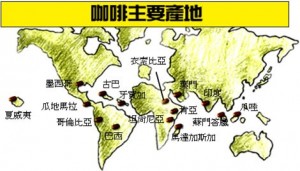
Tanzanian coffee grows primarily in the fertile soils of the East African Rift Valley, with key regions including Mount Kilimanjaro (especially around Moshi and Mbeya), the Ruvuma River basin, and areas like Arusha. The high altitudes—typically between 1,300 and 2,000 meters—combined with volcanic soils create ideal conditions for slow cherry maturation, leading to dense beans with complex flavors.
The most common processing method is washed (wet-processed), which highlights the coffee’s inherent acidity and clarity. The result is a cup with bright citrus (orange, lemon), subtle blackcurrant, floral notes, and a medium body. These profiles make Tanzanian coffee versatile for both hot and iced brewing, and it pairs exceptionally well with fresh berries or citrus desserts.
The Role of Geography and Varieties
Tanzania’s coffee regions, especially around Kilimanjaro (5,895 meters), benefit from cool temperatures and high rainfall (1,600–1,800mm annually on windward slopes). The volcanic soil is rich in nutrients, supporting the growth of high-quality Arabica. Most farms are smallholders (85%), and the coffee is often sold under regional trademarks like "Pride of Kilimanjaro" or "Tanzania Moshi."
While Tanzania also produces a unique bean variety called "Tanzania Bean Fruit" (which reportedly yields higher than standard coffee varieties), the bulk of its export reputation comes from traditional Arabica cultivars processed to emphasize clarity and brightness. The washed method reduces defects and ensures a cleaner cup, often showcasing notes of honey, nuts, and citrus.
Historical Fame and Modern Challenges
Tanzanian coffee’s European fame dates back to the colonial era, bolstered by literary figures like Ernest Hemingway, whose writings helped popularize the beans. The nickname "coffee gentleman" was coined by European importers, who likened its refined profile to the sophistication of a "gentleman," placing it alongside Kenya’s bold "coffee king" and Yemen’s elegant "coffee queen" (Mocha).
However, despite its potential, Tanzania’s coffee often suffers from long transit times and inconsistent storage, leading to flavor loss before reaching consumers. Fresh arrivals are notably better, but the country’s infrastructure lags behind Kenya’s, resulting in many beans arriving stale. Roasters note that when properly fresh, Tanzanian coffee can exhibit wild, complex fruitiness, often described as "wild" or "earthy," with a soft, lingering finish.
Tanzania’s Coffee Industry Today
The Tanzanian Coffee Board actively promotes domestic consumption, urging citizens to drink twice as much coffee daily over the next five years to reduce reliance on exports. Currently, only 7% of coffee is consumed locally, with a goal to reach 15% by 2014 (historical target) to buffer against global market fluctuations.
Additionally, the Tanzania Coffee Research Institute (TCRI) and the Coffee Council (TCB) plan to expand cultivation into six new regions, aiming to boost national production to 100,000 tons by 2020. Currently, Tanzania produces around 50,000 tons annually, making it Africa’s fourth-largest producer. Recent spikes in global coffee prices have further motivated these efforts, with the ICO composite price reaching 184.26 cents/lb in December 2010—the highest since 1994.
Frequently Asked Questions
Why is Tanzanian coffee called the 'coffee gentleman'?
European importers nicknamed Tanzanian coffee the "coffee gentleman" due to its refined, balanced profile with bright acidity and fruity notes. It was seen as sophisticated, ranking alongside Kenya’s "coffee king" and Yemen’s "coffee queen" (Mocha) in colonial-era prestige.
Where is Tanzanian coffee grown?
Tanzanian coffee is primarily grown in the East African Rift Valley, with major regions including Mount Kilimanjaro (Moshi, Mbeya), the Ruvuma River basin, and Arusha. Altitudes range from 1,300 to 2,000 meters, with volcanic soils that enhance cup quality.
What does Tanzanian coffee taste like?
Tanzanian coffee typically features bright acidity, notes of citrus (orange, lemon), blackcurrant, floral hints, and a medium body. Washed processing highlights its cleanliness and complexity, making it suitable for both hot and iced brews.
How is Tanzanian coffee processed?
Most Tanzanian coffee is washed (wet-processed), which involves removing the coffee cherry’s skin and fermenting the mucilage before washing and drying. This method emphasizes clarity, acidity, and a cleaner cup profile.
Why does freshness matter for Tanzanian coffee?
Tanzanian coffee is prone to flavor loss during long ocean transit and storage. Freshly arrived beans exhibit more vibrant fruitiness and complexity, while older stock often tastes stale or muted. Roasters recommend sourcing recent arrivals for the best experience.
What is Tanzania doing to boost coffee consumption?
The Tanzanian Coffee Board aims to increase domestic coffee consumption from 7% to 15% by encouraging citizens to drink more coffee daily. This strategy seeks to reduce reliance on volatile export markets and stabilize local demand.
Are there new coffee-growing regions in Tanzania?
Yes, the Tanzania Coffee Council plans to add six new coffee-growing regions to the existing 13, targeting a national production goal of 100,000 tons by 2020. This expansion includes introducing new varieties from the Tanzania Coffee Research Institute.
Recommended FrontStreet Beans for Exploring Tanzanian Profiles
FrontStreet Coffee’s Tanzanian offering comes from the famed Kilimanjaro region, grown at 1,300–2,000 meters on volcanic soils. This washed coffee delivers bright citrus, honey, nuts, and floral notes, with a medium body and a sweet, balanced finish. Ideal for pour-over, it shines at a medium-light roast. Freshly roasted within 5 days · Orders placed before 17:00 ship the same day · Next-day delivery across most of Guangdong Province.
FrontStreet Coffee is a long-established specialty coffee roaster in Guangzhou China, selling freshly roasted beans from its own farm in Yunnan as well as dozens of carefully selected single-origin beans from around the world for both pour-over and espresso. The products deliver consistently excellent quality and great value, with shipping within 24 hours. Guangzhou's FrontStreet Coffee shop is recommended by many coffee lovers, and the beans are now available online at the Tmall 。
Important Notice :
前街咖啡 FrontStreet Coffee has moved to new addredd:
FrontStreet Coffee Address: 315,Donghua East Road,GuangZhou
Tel:020 38364473


