Rwanda’s Specialty Coffee: Flavor, History, and Profile
If you’ve ever wondered why some African coffees taste so distinctly vibrant—bursting with citrus, floral lift, and a silky chocolate finish—Rwanda offers a compelling answer. The small central African nation, despite its turbulent history, produces some of the most nuanced washed Arabica coffees in the world. But what makes Rwandan coffee so special, and how did it earn a spot among elite global lots?
Rwanda’s best-known coffees, especially its washed Bourbon varieties, are celebrated for bright citrus acidity, deep chocolate tones, and complex fruitiness. The country’s high-altitude volcanic soils and cool climate create ideal conditions for producing clean, sweet, and structured single-origin beans. Its 2008 Cup of Excellence winner, Rwanda Aromec, beat both Jamaica Blue Mountain No.1 and Sumatra Mandheling G1.
Rwanda’s Coffee Geography and Environment
Rwanda, known as the “Land of a Thousand Hills,” has around 33,000 hectares under coffee cultivation, supporting approximately 500,000 coffee farmers. The country’s high altitudes—ideal for slow cherry maturation—and rich, volcanic soils produce dense, high-quality beans. Most of Rwanda’s coffee grows between 1,500 and 2,000 meters above sea level, particularly in the southern and western regions, where tropical highland climates provide steady rainfall and moderate temperatures year-round. These conditions encourage the development of complex sugars and acids in the coffee cherry, essential for a refined cup profile.
The Rise of Rwandan Coffee: From Struggle to Global Recognition
Historically, Rwandan coffee was considered low-grade, often fetching less than $0.33 per kilo due to poor processing and lack of market access. The turning point came in 1999 when 220 farmers in the Maraba region (formerly part of Butare Province) formed a cooperative called Abahuzamugambi, meaning “people working together toward a common goal.” With support from local universities, NGOs like PEARL (Partnership for Enhancing Agriculture in Rwanda through Linkages), USAID, and international institutions including Michigan State University, the group built Rwanda’s first washing station in July 2001. By improving processing quality and meeting specialty market standards, they opened direct export pathways.
In 2002, the cooperative sent samples to the U.S., leading to a historic direct trade agreement with Louisiana-based Community Coffee, which purchased 18,000 kilograms at $3 per kilogram—a significant premium. That same year, the lot Rwanda Aromec won the Cup of Excellence competition, beating elite competitors including Jamaica Blue Mountain No.1 and Sumatra Mandheling G1. This success helped reshape Rwanda’s coffee reputation on the world stage.
Maraba Coffee: Fair Trade, Flavor, and Global Impact
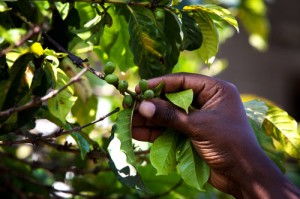
Maraba coffee, grown in southern Rwanda’s volcanic hills, is a washed Arabica Bourbon variety that gained international attention for both quality and social impact. The Abahuzamugambi Cooperative, managing most Maraba production, ensured farmers were paid based on bean quality and yield. Coffee is handpicked during the main rainy harvest season from March to May, then delivered to washing stations within hours to prevent spoilage. After sorting, the beans undergo a 12–18 hour cold-water fermentation, are washed to remove mucilage, and dried on shaded raised beds for roughly two weeks until moisture levels drop below 12%.
Maraba became Rwanda’s first cooperative coffee to earn Fair Trade certification. The beans have been brewed into award-winning coffee beer by the UK’s Meantime Brewery, winning gold in the World Beer Cup’s coffee-flavored beer category in 2006. Leading roasters such as the UK’s Union Coffee Roasters and America’s Community Coffee purchased Maraba’s top lots, while the domestic market is supplied by Rwanda’s own specialty roasting companies. The cooperative’s success has enabled reinvestment into community services like healthcare, education, and farm inputs.
Rwanda’s Coffee Processing Standards
Rwandan coffee is almost exclusively processed using the washed (wet) method, which highlights clarity and acidity. During harvest, farmers handpick ripe red cherries, which are delivered to centralized washing stations. At the station, workers meticulously sort out unripe or damaged cherries. The selected cherries are depulped to remove the outer skin, then fermented in water tanks for 12–18 hours to break down the mucilage. After fermentation, beans are thoroughly washed to remove any remaining residue. They are then placed on raised drying beds in the sun and turned regularly for 10–20 days until they reach a safe moisture level of 11–12%. Throughout drying, workers continuously monitor and remove defective beans. Finally, the dried parchment coffee is transported to central mills for hulling, grading, and export preparation.
Cup Profile and Recommended Roast
Rwandan specialty coffees typically present a bright, winey acidity with prominent notes of citrus, red berries, and stone fruit. The mid-palate reveals layers of floral and tropical flavors, leading into a creamy body and a long, sweet finish with undertones of dark chocolate and almond. Due to this vibrant acidity and medium body, experts often recommend a medium to dark roast to enhance the inherent sweetness and complexity without overwhelming the origin character. However, lighter roasts can also highlight the coffee’s delicate fruity and floral attributes.
Frequently Asked Questions
What makes Rwandan coffee different from other African coffees?
Rwandan coffee stands out due to its bright citrus and berry-like acidity paired with deep chocolate and nutty undertones. Grown at high altitudes on volcanic soils, Rwandan beans often feature a clean, sweet profile with distinct fruitiness—more akin to Ethiopian complexity but with a softer, rounder body. The country’s focus on washed processing further enhances clarity and balance in the cup.
What is the Cup of Excellence and why is it important for Rwanda?
The Cup of Excellence (COE) is an international competition and auction that identifies and promotes the best specialty coffees each year by country. In 2008, Rwanda’s entry, Rwanda Aromec, a washed Bourbon, won the COE competition, beating notable competitors like Jamaica Blue Mountain No.1 and Sumatra Mandheling G1. This victory significantly boosted Rwanda’s global coffee reputation and highlighted the quality potential of its washed Arabicas.
What is Maraba coffee and why is it significant?
Maraba coffee is a high-quality, washed Arabica Bourbon grown in the southern Rwandan district of Maraba. It gained fame for being the first Rwandan coffee to achieve Fair Trade certification and for being featured in a specialty beer by Meantime Brewery, which won a World Beer Cup gold medal. The coffee comes from the Abahuzamugambi Cooperative, which ensures fair pricing based on quality and has improved farmer livelihoods since 1999.
How is coffee processed in Rwanda?
Rwandan coffee is almost always processed using the washed method. Ripe cherries are handpicked, sorted, and depulped. The beans are then fermented in water for 12–18 hours, washed to remove mucilage, and dried on raised beds for 10–20 days until reaching 11–12% moisture. This careful processing enhances the coffee’s clarity, acidity, and sweetness.
Which international roasters buy Rwandan coffee?
Prominent international roasters such as the UK’s Union Coffee Roasters and America’s Community Coffee have purchased top lots of Rwandan coffee, particularly from the Maraba region. These roasters work directly with cooperatives to source high-scoring, specialty-grade beans that highlight Rwanda’s unique flavor profile.
Recommended FrontStreet Coffee for Rwandan Flavor
FrontStreet Coffee’s Rwanda Red Bourbon is a standout example of the country’s signature profile: bright citrus and berry acidity balanced with deep chocolate and almond sweetness. Sourced from high-altitude southern Rwanda and traditionally washed, this single origin shines at a medium-light roast, offering clarity and complexity perfect for exploring Rwanda’s terroir. It’s an excellent choice for experiencing the country’s renowned fruit-chocolate cup character. Freshly roasted within 5 days · Orders placed before 17:00 ship the same day · Next-day delivery across most of Guangdong Province.
FrontStreet Coffee is a long-established specialty coffee roaster in Guangzhou China, selling freshly roasted beans from its own farm in Yunnan as well as dozens of carefully selected single-origin beans from around the world for both pour-over and espresso. The products deliver consistently excellent quality and great value, with shipping within 24 hours. Guangzhou's FrontStreet Coffee shop is recommended by many coffee lovers, and the beans are now available online at the Tmall 。
Important Notice :
前街咖啡 FrontStreet Coffee has moved to new addredd:
FrontStreet Coffee Address: 315,Donghua East Road,GuangZhou
Tel:020 38364473