Kenya Coffee Origins and Its Ethiopian Roots
If you’ve ever sipped a bright, complex cup of Kenya AA and wondered how it got that signature grapefruit punch and winey depth, you’re not alone. Kenya’s coffee stands out globally—but few realize just how deeply its story is tangled with Ethiopia, the birthplace of Arabica itself.
Kenya’s best-known coffee varieties—SL28 and SL34—were developed in the 1930s by the Scott Labs (SL) from Ethiopian landrace stock, making Ethiopia the true genetic origin of Kenya’s most iconic beans.
The Birth of Kenyan Coffee: From Ethiopia to the Highlands
Coffee first arrived in Kenya in the 19th century, imported via Yemen by way of Ethiopia. But large-scale cultivation didn’t begin until the late 1800s and early 1900s. Missionaries introduced Yemeni-grown Arabica, but it wasn’t until 1893—when Brazilian Bourbon seeds were brought in—that coffee growing truly took root. That Bourbon lineage, combined with Kenya’s unique terroir, gave rise to the country’s now-distinctive coffee profile.
High-Altitude Growing and Harvest: Why Elevation Matters
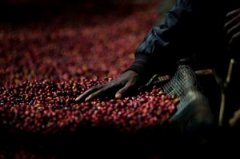
Kenya’s coffee thrives at elevations between 1,500 and 2,100 metres above sea level—some sources cite heights up to 6,500 feet (roughly 2,000 metres), particularly around Mount Kenya. The cooler temperatures at these altitudes slow cherry maturation, allowing more complex flavours and acids to develop. Most regions see two harvests per year. The key to quality? Meticulous handpicking. Workers may pass through the same trees up to seven times to ensure only fully ripe cherries are collected.
From Smallholder Farms to World-Class Processing
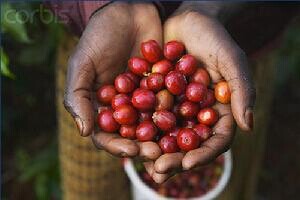
Kenya’s coffee is primarily grown by smallholders, each producing just 20 to 70 bags per season. These farmers deliver their red cherries to cooperative washing stations, where the beans are processed as parchment coffee—still encased in the fruit’s inner skin. The cooperatives consolidate the harvest, then sell it at grade-based prices determined by objective quality measures, ensuring fairness for both growers and buyers.
The real magic happens in post-harvest processing. The country’s advanced washed method includes a 48-hour fermentation period, followed by 24 hours of clean-water soaking. This double-wash system enhances the intrinsic fruitiness, creating the juicy, high-acid profiles Kenya is known for. It’s this exact technique—paired with ideal growing conditions—that helps produce the vibrant, complex cups international buyers crave.
Kenya’s Coffee Grading and Auction System
All Kenyan coffee is purchased by the Coffee Board of Kenya (CBK), which grades, evaluates, and sells the beans weekly at auction. Grading is based largely on bean size and shape, with the top tier being Peaberry (PB), followed by AA++, AA+, AA, AB, and others. Notably, AA and AA+ beans—often sourced from higher altitudes—typically exhibit the brightest acidity and most intense fruit flavours. The PB grade, though smaller, often delivers concentrated sweetness and complexity.
Auctions are not subdivided by quality levels. Instead, samples are distributed to buyers ahead of time. Lots usually weigh between 3 and 6 tonnes, some carrying grower-specific tags to aid in traceability and blending decisions. While the CBK facilitates sales, it acts only as an agent. Exporters then package the beans according to flavour profiles, meeting the needs of roasters and blenders alike.
The Science Behind the Flavor: SL28, SL34, and High-Phosphate Soils
Two varieties dominate Kenya’s specialty coffee scene: SL28 and SL34. Developed by the Scott Laboratories in the 1930s, these cultivars were selected from over 40 experimental types. SL28 is celebrated for its deep, wine-like acidity with pronounced notes of blackcurrant, citrus, and stone fruit. SL34 brings a balanced fruit acidity alongside hints of nuts and spice. Both thrive in Kenya’s volcanic, high-phosphate soils—conditions that amplify their inherent brightness and complexity.
These varieties, combined with Kenya’s meticulous washed process, have helped the country earn a reputation for some of the most vibrant, juicy, and distinctive single-origin coffees in the world.
Challenges and Changes in Recent Decades
In recent years, Kenya’s coffee sector has faced challenges. Climate variability has impacted yields. The introduction of the disease-resistant but lower-flavour Ruiru 11 hybrid threatens traditional arabica quality. Additionally, mismanagement, shrinking auction revenues, and farmer dissatisfaction have led to reduced investment in quality. Even Kenya’s once-celebrated washing techniques have seen inconsistencies. Yet, the legacy of SL28, SL34, and the high-altitude washed process still defines much of what makes Kenya coffee so sought after.
Tasting Notes and Brewing Insights
Kenya coffees typically present a juicy, medium-bodied cup with high acidity. Flavour profiles often include blackberry, grapefruit, wine notes, blackcurrant, and even hints of plum or spice. Many drinkers note a fruit-tea-like character, especially in lighter roasts. These coffees shine as pour-overs, drip, or cold brew—and make exceptional iced coffee. For a bright summer cup, pair with citrus fruits or enjoy black to savour their innate balance.
Frequently Asked Questions
Where did Kenya coffee originally come from?
Kenya’s coffee cultivation began in the late 19th century, but its most important genetic foundation comes from Ethiopia. Ethiopian landrace coffee varieties were brought to Kenya via Yemen, and later, Brazilian Bourbon seeds were introduced. The key modern Kenyan varieties—SL28 and SL34—were developed from Ethiopian-origin stock by Kenya’s Scott Laboratories in the 1930s.
What makes Kenya AA coffee so special?
Kenya AA is graded as the largest and highest-quality bean classification. It typically comes from higher altitudes, resulting in brighter acidity, fuller body, and intense fruit flavours—commonly citrus, grapefruit, blackberry, and wine-like notes. The beans are known for their balance, clarity, and juicy mouthfeel.
What are SL28 and SL34 coffee varieties?
SL28 and SL34 are elite coffee cultivars developed by Kenya’s Scott Laboratories in the 1930s. They were selected from over 40 experimental varieties derived from Ethiopian landraces. SL28 offers deep, winey acidity with notes of blackcurrant and citrus. SL34 provides balanced fruitiness with hints of nuts and spice. Both thrive at high altitudes and contribute to Kenya’s signature cup profile.
How is Kenyan coffee processed?
Kenya uses a washed processing method considered among the best in the world. After harvest, coffee cherries are depulped, then fermented for 48 hours. The beans are washed and soaked in clean water for another 24 hours before drying. This double-wash process enhances fruit acids and clarity, contributing to the bright, complex flavours Kenya coffee is known for.
Why is altitude important for Kenyan coffee?
Kenya’s coffee grows between 1,500 and 2,100 metres (up to around 6,500 feet) above sea level. The high elevation slows cherry development, allowing more time for sugars and acids to develop. This results in denser beans with greater complexity, acidity, and aromatic intensity—key traits of high-quality Kenya coffee.
How is Kenyan coffee sold and graded?
All Kenyan coffee is bought by the Coffee Board of Kenya (CBK), which grades beans mainly by size and shape. The top grades are Peaberry (PB), followed by AA++, AA+, AA, AB, and others. Graded beans are auctioned weekly, with samples shared in advance. AA and AA+ grades are especially prized for their brightness and fruit intensity.
Recommended FrontStreet Beans for Kenya Acidity
For a true taste of Kenya’s signature brightness, try FrontStreet Coffee’s Kenya Little Tomato. It highlights the famed SL28 and SL34 varieties with a medium-light roast, showcasing notes of tomato, snow pear, black plum, yellow sugar, and a syrupy body. Ideal for pour-over or cold brew, it delivers the juicy complexity Kenya is known for. Freshly roasted within 5 days · Orders placed before 17:00 ship the same day · Next-day delivery across most of Guangdong Province.
FrontStreet Coffee is a long-established specialty coffee roaster in Guangzhou China, selling freshly roasted beans from its own farm in Yunnan as well as dozens of carefully selected single-origin beans from around the world for both pour-over and espresso. The products deliver consistently excellent quality and great value, with shipping within 24 hours. Guangzhou's FrontStreet Coffee shop is recommended by many coffee lovers, and the beans are now available online at the Tmall 。
Important Notice :
前街咖啡 FrontStreet Coffee has moved to new addredd:
FrontStreet Coffee Address: 315,Donghua East Road,GuangZhou
Tel:020 38364473