Burundi Coffee Beans: Similar to Rwanda, Distinct in Flavor
If you've ever bought a bag labeled 'African specialty coffee' and wondered whether it's Rwandan or Burundian—or why both taste so similar yet different—this article answers that. Burundi’s coffee industry, often overshadowed by its neighbor Rwanda, produces beans that confuse even experienced roasters. Both countries grow mostly Bourbon at high altitudes, use the same washed processing method, and export to similar global markets. But Burundi’s coffee has its own identity, especially in cup profile. Let’s break down what makes Burundi coffee unique, where it comes from, and why it matters to coffee drinkers worldwide.
In short: Burundi coffee is typically grown at 1,600–1,800 meters and processed using traditional washed methods. The dominant variety is Jackson Bourbon, and its best lots show elegant sweetness with bright citrus notes. Annual production ranges from 8,000 to 35,000 tons, with major exports going to Europe and increasing interest from roasters like Starbucks.
Burundi’s Coffee Geography and Origins
Burundi (formerly known as Urundi) is a small, landlocked country located at the intersection of Central and East Africa, straddling the Nile and Congo watersheds. Its terrain is dominated by rolling hills and mountains, offering ideal elevations for coffee cultivation. Although Burundi’s coffee history is relatively recent compared to other African origins, the country has significant potential due to its high-altitude microclimates and volcanic soil conditions.
Coffee was introduced to Burundi by Belgian colonists in the 1930s and has since remained almost exclusively cultivated on smallholder family farms. These tiny plots—many bordering conflict-prone regions of Rwanda—make consistent quality a challenge, but also contribute to unique terroir-driven profiles. The country’s mountainous landscape ensures most coffee grows well above 1,200 meters, with premium lots reaching up to 1,800 meters.
Processing, Varieties, and Flavor Profile
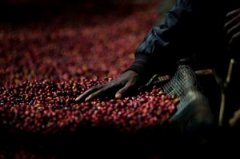
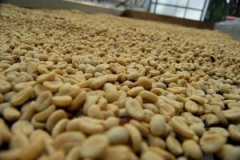
Nearly all coffee in Burundi is Arabica, and the overwhelming majority is processed using the traditional washed (wet) method. This involves floating, pulping, fermenting to remove mucilage, washing, and drying the beans on raised beds. The washed process highlights Burundi coffee’s inherent acidity and clarity, resulting in a cup that’s clean, vibrant, and aromatic.
The dominant coffee variety is Jackson Bourbon—a subtype of Bourbon known for balanced acidity and fruity complexity. Burundi beans are celebrated for their pronounced sweetness, bright citrus aromas, and medium-to-high acidity. Some lots, especially those graded AA or FWS (Fine Washed Special), also develop subtle floral tones and a tea-like finish. A few lots have even drawn comparisons to Kenyan coffees due to their wine-like brightness and juicy body.
Market Presence and Global Recognition
Burundi coffee has gradually gained international attention, thanks in part to support from major global buyers. In recent years, Starbucks has increased purchases of Burundi beans and funded training programs for Burundian coffee officials to help integrate the country into the global specialty market. Starbucks executives have visited Burundi to explore collaboration opportunities, signaling growing interest from premium roasters.
Historically, Burundi coffee has been exported primarily to Switzerland, France, Germany, Italy, Belgium, and Austria. However, increasing efforts to improve quality and traceability have opened doors to the U.S., Japan, Finland, and beyond. The country’s coffee industry, which accounts for over 80% of its foreign exchange earnings, saw production surge to 36,000 tons in the 2004–2005 season following favorable weather and improved farm management—up from just 5,600 tons the previous year.
Notable Lot: Buyendi AA, FWS
One example of Burundi’s potential is the Buyendi AA, FWS lot. Produced in the Buyendi region, this coffee is processed via the traditional washed method and consists entirely of Jackson Bourbon. Though limited grading and blending issues prevent official scoring, this lot is widely noted for its sweet, fruity profile with a mildly spicy finish—traits that some find reminiscent of Kenyan coffees.
This coffee is usually screened to a density of 16–18 SCR within a 300g sample of 1 defective bean per 300 grams. While it’s not officially scored, expert tasters describe it as having a medium-to-strong intensity with prominent sweetness, fruity notes, and a lingering spicy aftertaste. Recommended roast level is Full City to fully develop its inherent complexity.
Frequently Asked Questions
What makes Burundi coffee different from Rwandan coffee?
Burundi and Rwandan coffees are both grown at high altitudes, primarily from Bourbon varieties, and processed using washed methods—resulting in bright acidity and fruity notes. However, Burundi coffees often emphasize a smoother sweetness with a broader fruity spectrum and sometimes a mild spice in the finish, whereas Rwandan coffees can show more distinct red fruit and wine-like characteristics. Both are frequently confused due to similarities in terroir and processing.
What is the typical flavor profile of Burundi coffee?
Burundi specialty coffee typically exhibits elegant sweetness, bright citrus aroma, and medium-to-high acidity. Common tasting notes include tropical fruits, citrus, floral hints, and a tea-like or lightly spicy finish. Some lots, especially higher grades like AA or FWS, may present complexity resembling Kenyan profiles with juicy body and winey brightness.
How is Burundi coffee processed?
The vast majority of Burundi coffee is processed using the traditional washed (wet) method. This involves sorting, pulping, fermenting to remove the coffee cherry’s mucilage, thorough washing, and drying the beans on elevated beds. This method enhances the coffee’s clarity, acidity, and aromatic purity, which are hallmarks of high-quality washed African coffees.
Where is Burundi coffee mainly exported?
Burundi coffee is exported primarily to European markets such as Switzerland, France, Germany, Italy, Belgium, and Austria. However, in recent years, exports have expanded to the United States, Japan, Finland, and other countries. Increased global interest, including from roasters like Starbucks, is helping to grow its international presence.
What coffee variety dominates in Burundi?
Jackson Bourbon is the dominant coffee variety grown in Burundi. As a subtype of the classic Bourbon cultivar, it is known for balanced acidity, medium body, and complex fruit flavors. Most Burundi specialty coffee is grown from this variety, particularly in high-altitude regions suitable for specialty-grade production.
Is Burundi coffee considered specialty grade?
While much of Burundi’s coffee is high quality, the smallholder-based production system leads to inconsistencies. Certain graded lots—especially those designated AA or FWS—are considered specialty grade based on cup quality, processing, and bean integrity. However, supply chain challenges and mixed lots can affect overall grading and scoring consistency.
Recommended FrontStreet Washed Process Coffee Beans
For fans of Burundi’s bright, citrusy washed Bourbons, try FrontStreet Coffee’s Kenya Little Tomato—a Kenya AA with intense citrus, tomato-like acidity, and juicy sweetness, showcasing the qualities Burundi is known for. Also consider FrontStreet’s Yirgacheffe Gedeb, famous for its floral, lemony brightness and clean, tea-like body, which shares Burundi’s washed-process elegance. For a sweeter, syrupy contrast, the FrontStreet Red Cherry is a washed Ethiopian with berry and stone fruit depth. All are classic washed coffees with high clarity and vibrant fruit notes. Freshly roasted within 5 days · Orders placed before 17:00 ship the same day · Next-day delivery across most of Guangdong Province.
FrontStreet Coffee is a long-established specialty coffee roaster in Guangzhou China, selling freshly roasted beans from its own farm in Yunnan as well as dozens of carefully selected single-origin beans from around the world for both pour-over and espresso. The products deliver consistently excellent quality and great value, with shipping within 24 hours. Guangzhou's FrontStreet Coffee shop is recommended by many coffee lovers, and the beans are now available online at the Tmall 。
Important Notice :
前街咖啡 FrontStreet Coffee has moved to new addredd:
FrontStreet Coffee Address: 315,Donghua East Road,GuangZhou
Tel:020 38364473