
"Speciality"
408 article(s) found

Introduction to the characteristics of varieties produced by the method of grinding scale flavor description of Brazilian coffee beans
Old bourbon coffee is grown on some estates in the Serrado district of Minas Greais state in southeastern Brazil. Old varieties of bourbon coffee grown on these estates, such as Capin Branco and Vista Allegre, are also sold on the market. Although they come from the same area, these coffees have their own characteristics.

Introduction of Bourbon Rivida Coffee Bean characteristic Brand location condition Flavor description treatment method
Brazilian Bourbon Rivida Coffee Bean characteristic Brand location conditioned Flavor description method the ancient bourbon coffee is grown in some estates in the Serrado district of Minas Greais state in southeastern Brazil. These estates, such as Capin Branco and Vista Allegre, are old bourbon products.

Indonesia Sumatra Lindong sweet-scented osmanthus flavor mantenin coffee bean introduction _ sweet-scented osmanthus tiger mantenin delicious
Professional coffee knowledge exchange more coffee bean information Please follow the coffee workshop (Wechat official account cafe_style) many years ago, we heard the legend that there is a sweet-scented osmanthus flavor in Indonesian coffee, but we have never tasted it. Until 2014, Nordic Frog Coffee finally got a coffee from Indonesia-Sulawesi Island with obvious sweet-scented osmanthus fragrance.

Brazil Coffee Flavors Explore Brazil-Auria Coffee Estate Variety Taste
Professional coffee knowledge exchange More coffee bean information Please pay attention to coffee workshop (Weixin Official Accounts cafe_style) Brazil is the world's largest coffee producer accounting for about 30% of coffee production, but because Brazil is located in tropical rain forest area, the terrain is relatively flat and there are few high-altitude forests. Most coffee is planted in low-altitude non-volcanic soil areas, and there is not much shade as shade.

Introduction to the characteristics of Brazilian Coffee harvesting and processing ability Brand Flavor description
Brazilian Coffee harvesting and processing ability Brand Flavor description Taste introduction although coffee is diverse, Brazilian coffee is suitable for the taste of the public. For example, coffee produced in the northern coastal areas has a typical iodine taste, reminiscent of the sea after drinking. This coffee is exported to North America, the Middle East and Eastern Europe. Another kind of coffee that is interesting and worth looking for is washed.

What are the advantages and disadvantages of Brazilian coffee beans
Following caf é (Wechat official account vdailycom) found that Beautiful Cafe opened a small shop of its own. Brazil has many large farms and endless coffee plantations. They use machines to harvest and dry them, and the efficiency of automation is so high that they regard coffee as a general agricultural material, regardless of flavor and flavor. As a result, many select coffee companies simply do not sell them.

Flavor characteristics of Kenyan Coffee washed by Kenya Jiamoni Kiangombe
Professional coffee knowledge exchange more coffee bean information please follow the coffee workshop (Wechat official account cafe_style) [Kenya Jiamoni exquisite 72-hour washing] country: Kenya region: Kilinaga Kirinyaga altitude: 17001800 m soil: volcanic soil species: sl-28,sl-34 treatment: 72 hours washing 01 | processing plant introduction Kiangombe factory

Boutique Coffee Manor introduction Caping Blanco Manor Vesta Allegre Manor Brazil
Brazilian coffee generally refers to coffee produced in Brazil. There is a wide variety of Brazilian coffee, the vast majority of which are unwashed and sun-dried, classified according to the name of the state of origin and the port of transport. Brazil has 21 states and 17 states produce coffee, but four of them produce the largest, accounting for 98% of the country's total output. Brazilian coffee has a low sour taste, which goes well with coffee.

Does the thickness of coffee powder affect the sour taste?-Coffee powder common grinding thickness diagram
Does the thickness of coffee powder affect the sour taste? in addition, coffee veterans will look at the color and oil production of cooked beans before deciding on coffee bean grinding. the lighter the roasted coffee, the more complete and hard the fiber is, the more difficult it is to extract. It is appropriate to use fine grinding, but not too fine, so as not to highlight the sharp sour taste. The deeper the roasting degree of coffee, the deeper the damage to the fiber, the easier it is.

Introduction to the characteristics of Brazilian Coffee Flavor and Fruit Coffee beans
Although coffee is diverse, Brazilian coffee is suitable for the taste of the public. For example, coffee produced in the northern coastal areas has a typical iodine taste, reminiscent of the sea after drinking. This coffee is exported to North America, the Middle East and Eastern Europe. Another kind of coffee that is interesting and worth looking for is washed Bahia coffee. This kind of coffee is not easy to find, because after the United States

Taste of Brazilian Coffee introduce the characteristics of Brazilian Coffee Brand Brazilian Coffee in Manor
Old bourbon coffee is grown on some estates in the Serrado district of Minas Greais state in southeastern Brazil. Old varieties of bourbon coffee grown on these estates, such as Capin Branco and Vista Allegre, are also sold on the market. Although they come from the same area, there are different kinds of coffee.
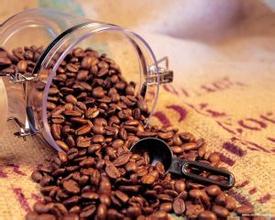
Caping Blanco Manor Vista Allegre Manor Fine Coffee beans Brazilian Coffee
Brazilian coffee generally refers to coffee produced in Brazil. There is a wide variety of Brazilian coffee, the vast majority of which are unwashed and sun-dried, classified according to the name of the state of origin and the port of transport. Brazil has 21 states and 17 states produce coffee, but four of them produce the largest, accounting for 98% of the country's total output. Brazilian coffee has a low sour taste, which goes well with coffee.

What is the amount of coffee powder extracted from coffee?
The fineness of coffee extraction is a good way to control bitterness, because the finer the grinding, the higher the extraction rate, the easier it is to extract high molecular weight bitter substances such as chlorogenic acid, quinic acid, caffeine and carbides. On the contrary, if the grinding is too rough, the lower the extraction rate is, the more difficult it is to extract the astringent bitter substance with high molecular weight, but the sweet taste with middle molecular weight may remain in the coffee grounds because of insufficient extraction.

What are the characteristics of coffee varieties grown in Burger Manor, Mexico?
Professional coffee knowledge exchange More coffee bean information Please pay attention to coffee workshop (Weixin Official Accounts cafe_style) Coffee originally came to Mexico around 1785. According to documents, coffee plantations were established in the Veracruz region in 1790. However, because Mexico is rich in mineral deposits, the coffee industry has had relatively little similar momentum for years. Mexico for the first time

What kinds of coffee do you have in Brazil
Brazilian coffee generally refers to coffee produced in Brazil. There are many kinds of coffee in Brazil, and like other Arabica coffee, Brazilian coffee is called "Brazils" to distinguish it from "Milds" coffee.

The processing method of Yunnan Tieka Coffee beans description of Flavor of varieties produced by Grinding scale
Yunnan Tieka coffee bean processing method grinding scale variety flavor description of the variety, also known as the old variety of small-grain coffee, its yield is less, cultivation is difficult, so the price is much higher than ordinary small-grain coffee. Tibica coffee, native to Ethiopia and southeastern Sudan, is the most widely cultivated variety of coffee in the Western Hemisphere. The plants are strong, but not light-resistant, in Hawaii.

Introduction of Brazilian Hilado Coffee Bean Flavor description Grinding scale treatment Manor
Brazilian coffee generally refers to coffee produced in Brazil. There are many kinds of coffee in Brazil. Like other Arabica coffee, Brazilian coffee is called Brazils to distinguish it from Milds coffee. The vast majority of Brazilian coffee is unwashed and sun-dried and is classified according to the name of the state of origin and port of transport. Brazil has 21 states and 17 states produce coffee, but four of them produce the most coffee.

Brazilian coffee has a low sour taste, sweet and bitter taste, and the entrance is very smooth with a hint of grass and a slight bitter fragrance.
Brazilian coffee generally refers to coffee produced in Brazil. There is a wide variety of Brazilian coffee, the vast majority of which are unwashed and sun-dried, classified according to the name of the state of origin and the port of transport. Brazil has 21 states and 17 states produce coffee, but four of them produce the largest, accounting for 98% of the country's total output. Brazilian coffee has a low sour taste, which goes well with coffee.

Which brand of Brazilian coffee is good? Analysis on Characteristics and Aroma Characteristics of Brazilian Coffee Bean
Professional barista communication, please pay attention to coffee workshop (Weixin Official Accounts cafe_style) ◆ Coffee bean characteristic Xiladuo coffee adopts washing type pulp removal treatment to maintain exquisite and high-quality bean selection style, belonging to fruity coffee beans. In addition, there are semi-washing treatment methods selected NY2 highest grade, the largest beans, the least defects. This helps produce good quality coffee beans and also avoids
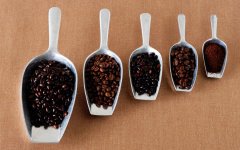
Vista Allegre Manor Brazilian Coffee generally refers to coffee produced in Brazil
Brazilian coffee generally refers to coffee produced in Brazil. There is a wide variety of Brazilian coffee, the vast majority of which are unwashed and sun-dried, classified according to the name of the state of origin and the port of transport. Brazil has 21 states and 17 states produce coffee, but four of them produce the largest, accounting for 98% of the country's total output. Brazilian coffee has a low sour taste, which goes well with coffee.