
"Standards"
9608 article(s) found

Introduction of Hawaiian coffee beans with unique flavor characteristics
Hawaii's most famous coffee bean and coffee producing area is Kona kona, which is located in the southwest of the Big Island, 20 miles long and 2 miles wide, covering the slopes of Hualalai and Mauna Loa. Only coffee beans grown in this area and subject to the most stringent certification standards can be sold under the trademark Kona. Today, coffee beans are produced by about 100 farms.
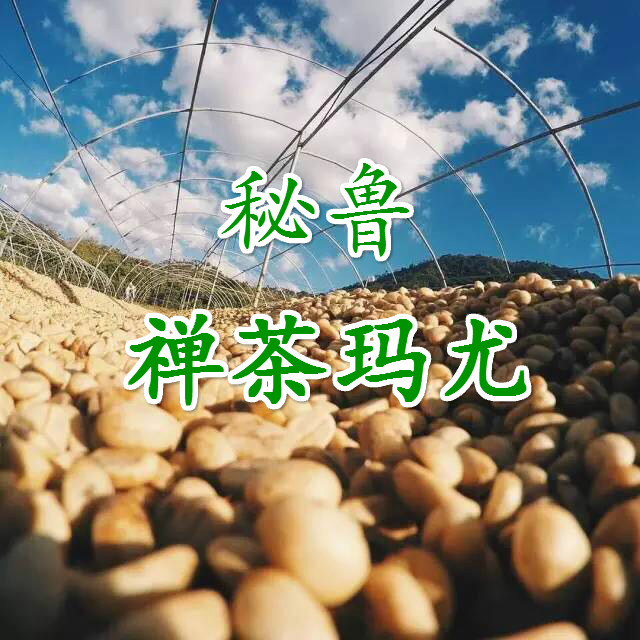
Peruvian Coffee Organic Coffee Identification: several major certification institutions for organic coffee
Professional baristas please follow the coffee workshop (Wechat official account cafe_style) Peruvian Zen tea Mayo most of the Peruvian coffee is organic, mainly on small-scale farms, mostly grown at the foot of the Andes. Peru, with mountains accounting for 1% of the country's total area, belongs to a tropical desert region with a dry and mild climate. The average annual precipitation of 18-26 ℃ is mild 700~1500mm, which makes here

Common sense of coffee beans certified by rainforest
Rainforest Alliance certified frog beans rainforest certification logo has an obvious frog, Rainforest Alliance certified coffee, also known as frog beans. Rainforest Alliance RA (Rainforest Alliance) certification refers to a farm that meets the standards set by the Rainforest Alliance. The Alliance will protect the farm and its surrounding ecosystem, impose some restrictions on the use of pesticides, and manage waste.

Description of altitude Flavor and Flavor of Jamaican Fine Blue Mountain Coffee Bean
Blue Mountain Coffee (Jamaica Blue Mountain Coffee), of which Blue Mountain Coffee and Alpine Coffee are each divided into four grades. From top to bottom in terms of quality, NO.1, NO.2, NO.3 and PB,PB are round beans. According to CIB standards, only coffee grown above 666m above sea level is called Jamaican Blue Mountain Coffee; Alpine Coffee (Jamaica

Hawaiian Kona Coffee, the most famous coffee bean, introduces the Manoa Valley on Oahu.
Hawaii's most famous coffee bean and coffee producing area is Kona kona, which is located in the southwest of the Big Island, 20 miles long and 2 miles wide, covering the slopes of Hualalai and Mauna Loa. Only coffee beans grown in this area and subject to the most stringent certification standards can be sold under the trademark Kona. Today, coffee beans are produced by about 100 farms.

Introduction to the taste of varieties produced by grinding and scale production of Jamaican coffee beans
In 1950, the Government of Jamaica established the Jamaica Coffee Industry Committee (the Jamaica Coffee Industry Board), which sets quality standards for Jamaican coffee and oversees the implementation of quality standards to ensure the quality of Jamaican coffee. The committee awarded a special official seal to raw coffee and roasted coffee exported from Jamaica, which is the highest level of national coffee in the world.
Rainforest certified coffee rainforest certified coffee rainforest certified symbol frog beans
Rainforest certification Rainforest Alliance certification Rainforest Alliance certification Frog beans Rainforest Certification logo has an obvious frog, Rainforest Alliance certified coffee, also known as frog beans. Rainforest Alliance RA (Rainforest Alliance) certification refers to a farm that meets the standards set by the Rainforest Alliance, and the Alliance will conduct research on the farm and its surrounding ecosystems.

Explanation on the compilation of inspection and quarantine regulations for import and export small coffee beans
1 Overview of small Coffee beans Chinese name: small seed coffee beans, English name: Arabica coffee, scientific name is coffee Arabica Linnaeus. It is the fruit of Arabian species and their varieties. Product character small seed coffee bean is a semi-finished product of coffee fruit after shelling and processing, which can be directly used for drinking after roasting and grinding. 3 the production method will make the coffee fresh with pulp.
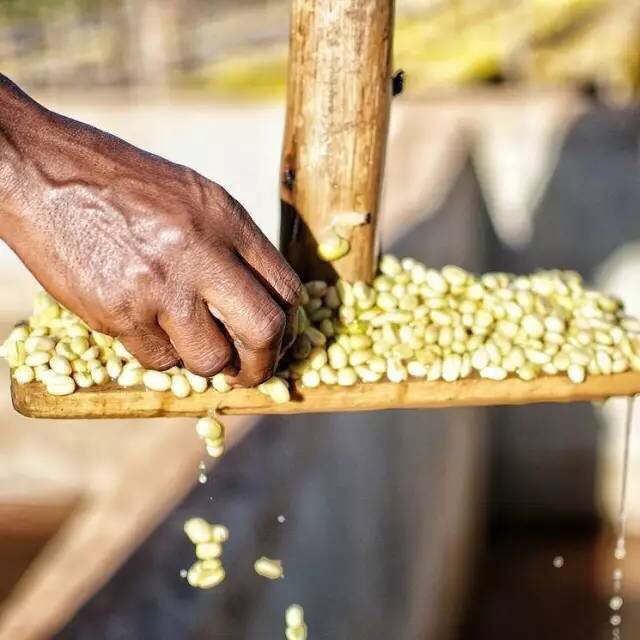
Peruvian Parkmanu Zen tea Mayou extremely low defect hazelnut cherry sweet boutique coffee ripe beans
Professional baristas please follow the coffee workshop (Wechat official account cafe_style) Peruvian Zen tea Mayo most of the Peruvian coffee is organic, mainly on small-scale farms, mostly grown at the foot of the Andes. Peru, with mountains accounting for 1% of the country's total area, belongs to a tropical desert region with a dry and mild climate. The average annual precipitation of 18-26 ℃ is mild 700~1500mm, which makes here

How about "China's first coffee culture town" to build Qingtian coffee culture town in Qingtian?
Professional coffee knowledge exchange more coffee bean information Please follow the coffee workshop (official Wechat account cafe_style) walking in the streets of Qingtian, a strong aroma of coffee will always come. Nowadays, coffee has become a cultural symbol of Qingtian and a window for outsiders to understand Qingtian. In the future, Qingtian will build the first Chinese coffee culture town! Give way to coffee

A brief introduction to the treatment method of grinding degree and baking degree of unique sour Jamaican coffee
In addition, the processing and production of Blue Mountain Coffee is also very elegant. Strict and detailed standards have been established for processing, baking and packaging, and there are regulations on what kind of organic fertilizers are needed during the growth period. All are harvested manually at harvest time. Jamaica is also the last country to still transport coffee in traditional wooden barrels. Only through this series of harsh standards set by the Jamaican Coffee Industry Authority.

Introduction to the flavor grindability of Jamaican Blue Mountain Coffee
In 1950, the Government of Jamaica established the Jamaica Coffee Industry Committee (the Jamaica Coffee Industry Board), which sets quality standards for Jamaican coffee and oversees the implementation of quality standards to ensure the quality of Jamaican coffee. The committee awarded a special official seal to raw coffee and roasted coffee exported from Jamaica, which is the highest level of national coffee in the world.

Introduction to the producing areas of Jamaica Blue Mountain Coffee Flavor description, Grinding degree characteristics
There are three varieties of coffee in Jamaica: blue Mountain Coffee (Jamaica Blue Mountain Coffee), of which Blue Mountain Coffee and Alpine Coffee are each divided into four grades. From top to bottom in terms of quality, NO.1, NO.2, NO.3 and PB,PB are round beans. According to CIB standards, only coffee grown above 666m above sea level is called dental purchase.
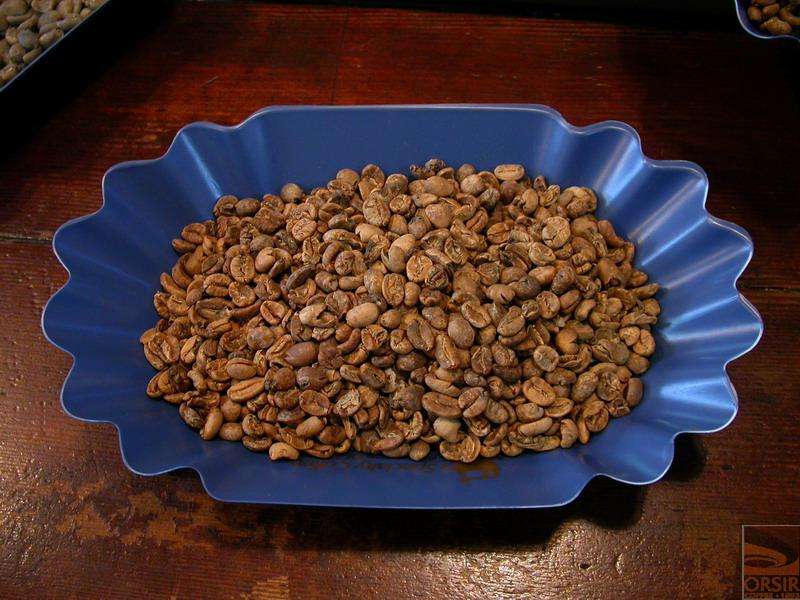
Boutique coffee beans: frog bean Rainforest Alliance certification
There is an obvious frog on the rainforest certification logo, rainforest alliance certified coffee, also known as frog beans. Rainforest Alliance RA (Rainforest Alliance) certification refers to a farm that meets the standards set by the Rainforest Alliance. The Alliance will protect the farm and its surrounding ecosystem, impose some restrictions on the use of pesticides, and evaluate benchmarks such as waste management.

Introduction to the description and treatment of taste and flavor in the producing area of Jamaican coffee
Blue Mountain Coffee (Jamaica Blue Mountain Coffee), of which Blue Mountain Coffee and Alpine Coffee are each divided into four grades. From top to bottom in terms of quality, NO.1, NO.2, NO.3 and PB,PB are round beans. According to CIB standards, only coffee grown above 666m above sea level is called Jamaican Blue Mountain Coffee; Alpine Coffee (Jamaica

Description of Manor Flavor by taste treatment of Lanshan Coffee Bean
In 1950, the Government of Jamaica established the Jamaica Coffee Industry Committee (the Jamaica Coffee Industry Board), which sets quality standards for Jamaican coffee and oversees the implementation of quality standards to ensure the quality of Jamaican coffee. The committee awarded a special official seal to raw coffee and roasted coffee exported from Jamaica, which is the highest level of national coffee in the world.

Blue Mountain Coffee Bean Grind Scale Processing Manor Flavor Description Variety Introduction
The Jamaica Coffee Industry Board was established by the Government of Jamaica in 1950 to establish quality standards for Jamaica coffee and oversee the implementation of quality standards to ensure the quality of Jamaica coffee. The Commission awards a special official seal to Jamaica's exports of green and roasted coffee, the highest grade of national coffee in the world

Introduction of Lanshan Coffee Bean production area Grinding Calibration Variety treatment Manor
In 1950, the Government of Jamaica established the Jamaica Coffee Industry Committee (the Jamaica Coffee Industry Board), which sets quality standards for Jamaican coffee and oversees the implementation of quality standards to ensure the quality of Jamaican coffee. The committee awarded a special official seal to raw coffee and roasted coffee exported from Jamaica, which is the highest level of national coffee in the world.

Description of the Flavor of Jamaica Blue Mountain Coffee introduction to the method of manor treatment in the producing area of varieties
In 1950, the Government of Jamaica established the Jamaica Coffee Industry Committee (the Jamaica Coffee Industry Board), which sets quality standards for Jamaican coffee and oversees the implementation of quality standards to ensure the quality of Jamaican coffee. The committee awarded a special official seal to raw coffee and roasted coffee exported from Jamaica, which is the highest level of national coffee in the world.