
"Tarrzu"
322 article(s) found

Costa Rican Diamond Hill Manor washed SHB Kaddura Fine Coffee American Coffee
Costa Rican coffee cultivation was introduced by Cuba in 1779 and exported for the first time in 1820. There are about 32000 coffee farmers, with an average planting area of less than one hectare (10000 hectares) per farmer. Costa Rica has a population of 41 billion (2006), with a coffee planting area of 82500 hectares and an annual production of 1.7 million bags (60kgs per bag). The annual domestic consumption is 380000 bags.
Deep roasting of coffee cooked beans in Costa Rica Saint Roman Water washing Plant in Tarazhu production area
Costa Rica is the country where coffee was first introduced into Central America. It has a long history and has a complete coffee organization from production to marketing system. Because it is located in the Central American Gorge, there are many volcanoes, it has the natural advantages of sunshine and land, and the climate is reconciled by Pacific and Atlantic currents and sea breeze at the same time, the coffee produced has the characteristics of local micro-climate, in terms of quality and quantity.

Costa Rica Tarazu Diamond Villa washing SHB Kaddura
Costa Rica Finca Montanas del Diamante country: Costa Rica Grade: SHB production area: Tara Pearl producer: Tara Pearl Local Farmers: washed varieties: Kaddura, Kaduai Manor: Diamond Hill Manor Flavor: soft orange notes, toast, caramel sweet taste clean Costa Rican coffee plant was introduced from Cuba in 1779

Tarasu Coffee from Costa Rica Coffee St. Roman Coffee processing Factory Fine Coffee
Costa Rican coffee is praised as complete coffee by many gourmets, because its overall performance is very balanced, the flavor is very clean and tight, the delicate sour taste with green apple (sometimes citrus or plum fruit), the body is tight but not thin, and the sweetness of the coffee will stay in the throat for a long time after drinking, so it has been described as perfectly balanced! The best taxi.
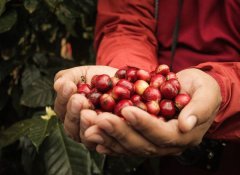
Costa Rica where coffee beans are grown in Central and South America.
Costa Rican coffee cultivation was introduced by Cuba in 1779 and exported for the first time in 1820. There are about 32000 coffee farmers, with an average planting area of less than one hectare (10000 hectares) per farmer. Costa Rica has a population of 41 billion (2006), with a coffee planting area of 82500 hectares and an annual production of 1.7 million bags (60kgs per bag). The annual domestic consumption is 380000 bags.
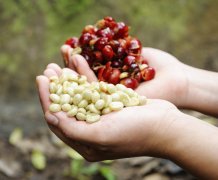
Costa Rica Diamond Hill Estate washed coffee ripe beans boutique coffee beans
Costa Rican coffee cultivation was introduced from Cuba in 1779 and exported for the first time in 1820. There are about 32,000 coffee farmers in Costa Rica, with an average cultivation area of less than one hectare (10,000 m2) per farmer. Costa Rica has a population of 4.1 million (2006), coffee cultivation area of 82,500 hectares, annual production of 1.7 million bags (60kgs per bag), annual domestic consumption of 380,000 bags, flat

Costa Rica Tarazu Diamond Villa washing SHB Kaddura
Costa Rican coffee plants were imported from Cuba in 1779 and exported for the first time in 1820. There are now about 32000 coffee farmers, with an average of less than 10000 yuan per farmer. Costa Rica has a population of 410 million (2006), an active coffee planting area of 82500 square meters, an annual output of 1.7 million bags (60kgs per bag), and an annual consumption of 38 million bags in China.

Costa Rica Diamond Hill Manor in Costa Rica washed SHB Kaddura boutique coffee beans
Costa Rican coffee cultivation was introduced by Cuba in 1779 and exported for the first time in 1820. There are about 32000 coffee farmers, with an average planting area of less than one hectare (10000 hectares) per farmer. Costa Rica has a population of 41 billion (2006), with a coffee planting area of 82500 hectares and an annual production of 1.7 million bags (60kgs per bag). The annual domestic consumption is 380000 bags.

Costa Rican Coffee processing Plant Costa Rican Coffee from Tarazu Coffee production area
Costa Rican coffee cultivation was introduced by Cuba in 1779 and exported for the first time in 1820. There are about 32000 coffee farmers, with an average planting area of less than one hectare (10000 hectares) per farmer. Costa Rica has a population of 41 billion (2006), with a coffee planting area of 82500 hectares and an annual production of 1.7 million bags (60kgs per bag). The annual domestic consumption is 380000 bags.
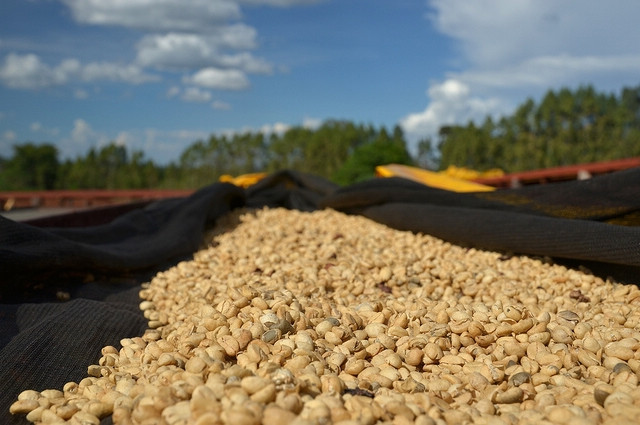
Royal Coffee processing Plant in St. Roman, a country grown in Central America, Tarazu, Costa Rica.
Costa Rican coffee cultivation was introduced by Cuba in 1779 and exported for the first time in 1820. There are about 32000 coffee farmers, with an average planting area of less than one hectare (10000 hectares) per farmer. Costa Rica has a population of 41 billion (2006), with a coffee planting area of 82500 hectares and an annual production of 1.7 million bags (60kgs per bag). The annual domestic consumption is 380000 bags.

Costa Rican boutique coffee producing area introduces Costa Rican coffee flavor and characteristic Tarazhu coffee
Costa Rican coffee cultivation was introduced by Cuba in 1779 and exported for the first time in 1820. There are about 32000 coffee farmers, with an average planting area of less than one hectare (10000 hectares) per farmer. Costa Rica has a population of 41 billion (2006), with a coffee planting area of 82500 hectares and an annual production of 1.7 million bags (60kgs per bag). The annual domestic consumption is 380000 bags.

Costa Rican Tang Oscar processing Plant washed Coffee beans introduced to Costa Rica Tang Oscar Office
Professional coffee knowledge exchange more coffee bean information please pay attention to the coffee workshop (Wechat official account cafe_style) Costa Rica Tang Oscar processing plant washing English name Don Oscar Volfa Lot#18 Fully Washed national Costa Rica production area Tarazhu (Tarrazu) graded SHB producer Beneficio Don Oscar Volfa treatment water washing

Deep Roasted Costa Rican Manor La Minita Perfect balance of flavours
Costa Rica (Costa Rica) can be deeply roasted, it is recommended that the City level can be, even the first explosion can be under the beans, this time the flavor will be both, close to the second explosion is the deepest roasting limit, do not enter the second explosion and waste good coffee beans. Costa Rican coffee is praised by many gourmets as a complete coffee because it is very balanced overall and has ten flavors.
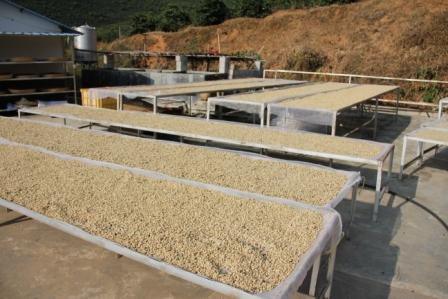
Costa Rican boutique coffee beans Costa Rica Tarazu Diamond Villa washing SHB Kaddura
Costa Rican coffee plants were imported from Cuba in 1779 and exported for the first time in 1820. There are now about 32000 coffee farmers, with an average of less than 10000 yuan per farmer. Costa Rica has a population of 410 million (2006), an active coffee planting area of 82500 square meters, an annual output of 1.7 million bags (60kgs per bag), and an annual consumption of 38 million bags in China.

Colombian flavor Colombian boutique coffee beans coffee classic
Costa Rica (Costa Rica) aroma 3.5 minutes brightness 4.5 minutes mellow 3 minutes flavor 4.5 minutes aftertaste 4.5 minutes suitable for baking degree: Light/Medial/City wants to show Costa Rican perfectly balanced flavor, then absolutely can not deep baking, it is recommended that City degree, or even the end of the first explosion can be added beans, when the flavor and flavor will be both, close to the second explosion is baking

The variety, brand recommendation and manor introduction of single bean in Saint Roman Manor, Costa Rica.
Exchange of professional baristas please pay attention to the coffee workshop (Wechat official account cafe_style) Costa Rica Saint Roman Manor single bean varieties, brand recommendations and manor introduction Costa Rican volcanic terrain with fertile volcanic ash, mild and suitable temperature, and stable and abundant rainfall are all factors that make coffee a major agricultural product in Costa Rica. The seven major producing areas are: Tarrzu and Tres Ri

Costa Rica Tara Pearl Diamond Mountain Manor imported boutique coffee beans with balanced flavor
Costa Rican coffee plants were imported from Cuba in 1779 and exported for the first time in 1820. There are now about 32000 coffee farmers, with an average of less than 10000 yuan per farmer. Costa Rica has a population of 410 million (2006), an active coffee planting area of 82500 square meters, an annual output of 1.7 million bags (60kgs per bag), and an annual consumption of 38 million bags in China.

Costa Rican Coffee Laminita Farm Central Mountain Production Area
Costa Rica aroma 3.5 points brightness 4.5 points mellow 3 points flavor 4.5 points aftertaste 4.5 points suitable for baking degree: Light/Medial/City want to show Costa Rica perfect balance of flavor, then absolutely can not be deep baking, it is recommended to City degree, even the first explosion can be the end of the beans, this time the aroma and flavor will be both, close to the second explosion is the deepest baking
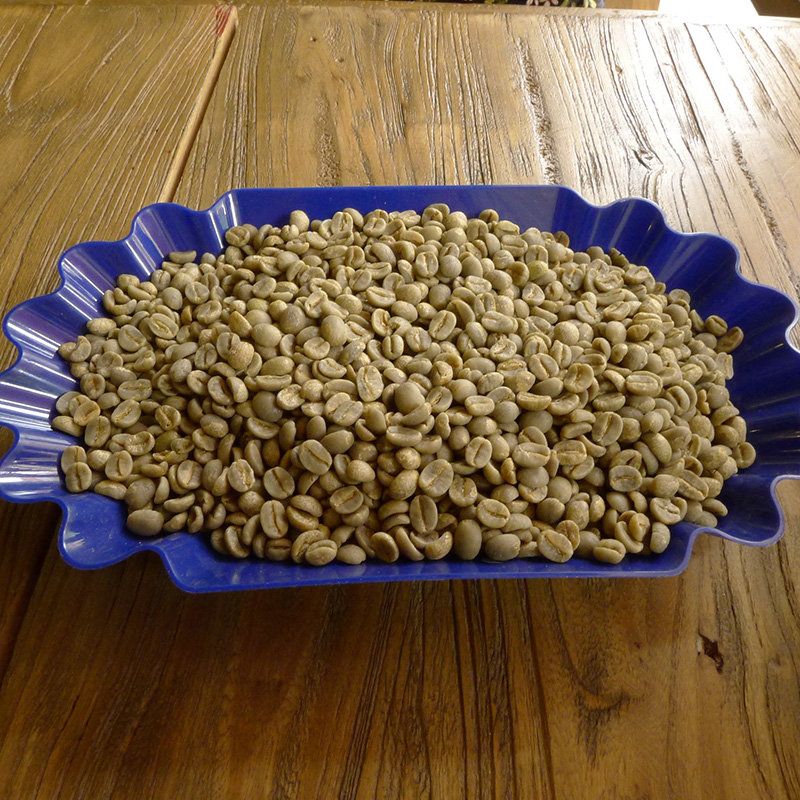
What are washed beans? Costa Rica Tara Pearl Diamond Villa washing SHB Kaddura seed beans
Costa Rican coffee plants were imported from Cuba in 1779 and exported for the first time in 1820. There are now about 32000 coffee farmers, with an average of less than 10000 yuan per farmer. Costa Rica has a population of 410 million (2006), an active coffee planting area of 82500 square meters, an annual output of 1.7 million bags (60kgs per bag), and an annual consumption of 38 million bags in China.
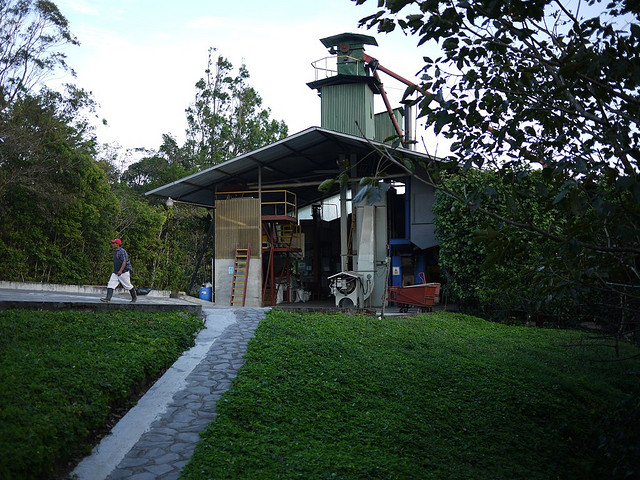
Costa Rica Tara Pearl Diamond Hill Estate washed SHB Kadura Costa Rica boutique coffee beans
Country: Costa RicaGrade: SHBOrigin: TaraPearl Producer: TaraPearl Local smallholder Processing: Washed varietyVariety: Cadura, Cadua Estates: Diamond MountainEstates Flavors: Soft orange-orange notes, toast, caramelized cocoa Sweet taste Clean Costa Rican coffee cultivation was introduced from Cuba in 1779, first exported in 1820 Coffee is now cultivated by about 3 coffee farmers