
"Tarrzu"
322 article(s) found

Costa Rican Red Honey treatment Kaddura Fine Coffee Bean Variety planting Market Price
Costa Rican volcanic terrain with fertile volcanic ash, mild and suitable temperature, and stable and abundant rainfall is one of the reasons why coffee has become one of the main agricultural products in Costa Rica. The seven major producing areas are: Tarrzu, Tres Rios, Orosi, Central Valley, West Valley, Turrialba and Brunca. [Tobosi/ Tobusch Manor in Costa Rica] Tobusch Manor is in Costa Rica

Coffee has become one of the major agricultural products in Colombia. Seven different producing areas.
Costa Rican volcanic terrain with fertile volcanic ash, mild and suitable temperature, and stable and abundant rainfall is one of the reasons why coffee has become one of the main agricultural products in Costa Rica. The seven major producing areas are: Tarrzu, Tres Rios, Orosi, Central Valley, West Valley, Turrialba and Brunca. Flavor description: berries, caramel, cream, subtle spices.

Via Village-White English
Kenya Kiambu KirunaAA WashedAltitude 1300m Coffee Flower Blackcurrant Chocolate Costa Rica Tarrzu Santa Monica Natural Bourbon Altitude 1450- 1650m Passion Fruit Berry Wine Heart Chocolate Aftertaste Front with rich tropical fruit flavor

Front Street Costa Rican Red Honey treats Tobosi Tobusch Manor Kaddura boutique Coffee
Factory name: coffee factory address: Guangzhou Baoqian Street 10 manufacturer contact information: 38364473 ingredients table: home baking shelf life: 90 net content: 227g packaging: bulk coffee beans ripe degree: coffee cooked beans sugar-free origin: Costa Rica roasting degree: moderate roasting Costa Rica Helsar De Zarcero country: Costa Rica grade

What are the coffee producing areas in Costa Rica? Flavor characteristics of Costa Rican Tarazhu coffee.
Professional coffee knowledge exchange more coffee bean information Please follow the coffee workshop (Wechat official account cafe_style) Costa Rican coffee has always been considered to be the perfect type of classic flavor, balanced, clean and mild is its tone. The seven major producing areas in Colombia are: Tarrzu, Tres Rios, Orosi, Central Valley, West Valley, Turrialba and Brun.

Flavor and aroma characteristics of Kaddura boutique coffee beans treated with Costa Rican red honey
Flavor: honey, lime, orange blossom, white chocolate, sweet, soft sour, round and full, long-lasting factory name: coffee factory address: No. 10 Baoqian Street, Guangzhou factory contact information: 020-38364473 ingredients table: self-baking shelf life: 90 net content: 227g packaging: raw and ripe coffee beans in bulk: sugar-free origin: Costa

Costa Rica red honey processing Tobsi estate Kadura fine coffee beans origin development history culture
The key to honey processing is the amount of pulp retained, the more the honey processing characteristics, but the higher the risk of excessive fermentation, the characteristics of each label "Honey coffee" will also vary according to the conditions, such as the climate of the location (sunshine/rainfall probability/air humidity), or the processor's preference.

Kaddura Fine Coffee Bean cultivation in Red Honey Tobusch Manor, Costa Rica, Geographic location and Climate
Costa Rica is the country where coffee was first introduced into Central America. It has a long history and has a complete coffee organization from production to marketing system. Because it is located in the Central American Gorge, there are many volcanoes, it has the natural advantages of sunshine and land, and the climate is reconciled by Pacific and Atlantic currents and sea breeze at the same time, the coffee produced has the characteristics of local micro-climate, in terms of quality and quantity.

Suggestions on hand punching temperature, grinding degree and powder-to-water ratio of red honey in Tobushi, Costa Rica
Professional baristas please follow the coffee workshop (Wechat official account cafe_style) Tobosi was established in 2010, about 1450 meters above sea level, providing high-quality boutique coffee, with the goal of becoming a leader in supplying boutique coffee. Strive to produce the products under an open and transparent system and have a complete track record to ensure that customers can get the best products.

Costa Rican Red Honey Tobes hand-brewed Coffee parameters introduction to the Tobosi of Tobes Manor
Professional coffee knowledge exchange more coffee bean information please follow the coffee workshop (Wechat official account cafe_style) Costa Rica Tobushi garden red honey treatment method hand flushing temperature, grindness, powder than recommended hand flushing Costa Rican red honey. 15g powder, medium fineness grinding (sugar size), v60 filter cup, 90 degrees water temperature, 30g water injection for the first time, steaming for 30 seconds, injection

Characteristics of Costa Rican yellow honey beans Costa Rican yellow honey coffee drinking method
Communication of professional baristas Please pay attention to the Coffee Workshop (official Wechat account cafe_style) the rich volcanic ash, mild and suitable temperature, and stable and abundant rainfall in Costa Rican volcano topography are one of the factors that make coffee a major agricultural product in Costa Rica. The seven major producing areas are: Tarrzu, Tres Rios, Orosi, Central Valley, West Valley, Turrialba, Br

Flavor description of Kaddura Red Honey Coffee in Tobosi, Costa Rica
Professional baristas please follow the coffee workshop (Wechat official account cafe_style) ■ yellow honey treatment: after removing the peel, put it on the African scaffolding in the early morning and immediately turn it. ■ red honey treatment: after the peel is removed, it is placed on the African scaffolding in the early morning and exposed to the sun until after noon. ■ black honey treatment: after removing the peel, unify
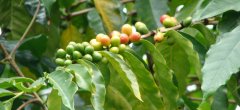
American Flavor Coffee Flavor of San Roman washing Plant, Costa Rica
Costa Rica is the country where coffee was first introduced into Central America. It has a long history and has a complete coffee organization from production to marketing system. Because it is located in the Central American Gorge, there are many volcanoes, it has the natural advantages of sunshine and land, and the climate is reconciled by Pacific and Atlantic currents and sea breeze at the same time, the coffee produced has the characteristics of local micro-climate, in terms of quality and quantity.
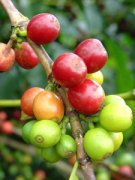
Costa Rican Coffee Flavor Costa Rican Fine Coffee Beans
Costa Rica was the first country to introduce coffee into Central America. It has a long history and a complete coffee organization system from production to sales. Because it is located in the Central American Isthmus, there are many volcanoes in the territory, it has the natural advantages of sunshine and land, and the climate is simultaneously coordinated by the Pacific Ocean and Atlantic Ocean currents and sea breezes. The coffee produced has the characteristics of local micro-climate and terroir conditions, both in quality and quantity.

Costa Rican coral mountains
Costa Rican coffee is famous for its exquisite taste and strict quality control. In the private room coffee has been introduced to Costa Rica's Fica (Wolf Manor), which is a 50% honey-treated bean with a rich sweet taste and even a milky aroma when roasted in medium and deep depth.
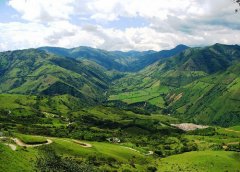
Costa Rican Diamond Hill Manor single Black Coffee
Costa Rican coffee cultivation was introduced by Cuba in 1779 and exported for the first time in 1820. There are about 32000 coffee farmers, with an average planting area of less than one hectare (10000 hectares) per farmer. Costa Rica has a population of 41 billion (2006), with a coffee planting area of 82500 hectares and an annual production of 1.7 million bags (60kgs per bag). The annual domestic consumption is 380000 bags.

Boutique coffee beans at Diamond Hill Manor in Costa Rica
Costa Rican coffee cultivation was introduced by Cuba in 1779 and exported for the first time in 1820. There are about 32000 coffee farmers, with an average planting area of less than one hectare (10000 hectares) per farmer. Costa Rica has a population of 41 billion (2006), with a coffee planting area of 82500 hectares and an annual production of 1.7 million bags (60kgs per bag). The annual domestic consumption is 380000 bags.

Tarazhu Cooperative's loud and long sour Costa Rican coffee
Professional coffee knowledge exchange more coffee bean information please follow the coffee workshop (Wechat official account cafe_style) Costa Rica Coffee cultivation was introduced from Cuba in 1779, only the first export of coffee in 1820, there are about 32000 coffee farmers, the average planting area per farmer is less than one hectare (10000 tons). Costa Rica has a population of 41 billion.
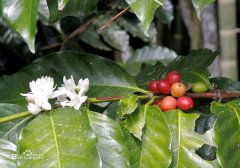
Washed coffee and ripe beans at Diamond Hill Manor in Costa Rica
Costa Rican coffee cultivation was introduced by Cuba in 1779 and exported for the first time in 1820. There are about 32000 coffee farmers, with an average planting area of less than one hectare (10000 hectares) per farmer. Costa Rica has a population of 41 billion (2006), with a coffee planting area of 82500 hectares and an annual production of 1.7 million bags (60kgs per bag). The annual domestic consumption is 380000 bags.