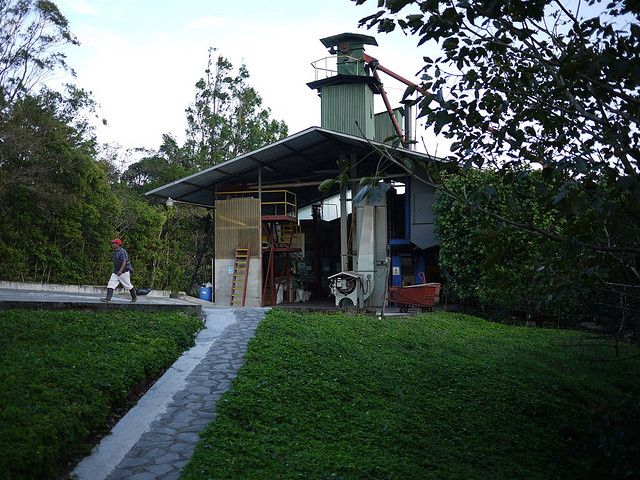
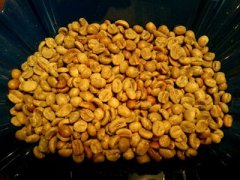
Costa Rica Tarrazú Washed SHB Caturra & Catuai Beans
If you're searching for a clean, bright cup with citrus and sweet undertones, you've likely come across Costa Rican coffee—but which one? With over 30,000 smallholder farmers and a legacy stretching back to 1779, Costa Rica produces some of Central America’s most consistent and respected coffees. But not all are created equal. The key lies in understanding origin details, processing methods, and microclimates. Let’s break down one standout example from the famed Tarrazú region.
The Diamond Hill Estate in Tarrazú grows washed SHB (Strictly Hard Bean) coffee using Caturra and Catuai varieties. Expect flavors of gentle orange citrus, toast, and caramel-like cocoa sweetness, with a clean, balanced cup profile.
Where Costa Rican Coffee Begins
Coffee arrived in Costa Rica in 1779, introduced from Cuba, and the country exported its first coffee crop in 1820. Today, around 32,000 coffee farmers work plots smaller than one hectare (10,000 m²) on average. With a population of 4.1 million (2006 data), the nation devotes 82,500 hectares to coffee, yielding 1.7 million 60kg bags annually. Domestic consumption stands at 380,000 bags—equating to 5.5 kg per person per year, outpacing Japan’s 4 kg and far above Taiwan’s modest figure.
Tarrazú: The Heart of High-Altitude Coffee
The Tarrazú region is among Costa Rica’s seven key coffee-growing areas. These zones stretch from the northwest to the southeast across the central plateau. Tarrazú benefits from high altitudes between 1,700–1,800 meters, volcanic soils rich in minerals, consistent rainfall, and a stable climate shaped by both the Pacific and Atlantic winds. The resulting diurnal temperature variation fosters slow cherry maturation, a key factor in developing complex sugars and acidity. Other major regions include Tres Ríos, Orosi, Central Valley, West Valley, Turrialba, and Brunca.
Diamond Hill Estate: Smallholder Production & Processing
The beans described here come from the Diamond Hill Estate, managed by local smallholders in Tarrazú. The coffee is processed using the traditional washed method, which emphasizes clarity and balance. In washed processing, ripe cherries are depulped, fermented to remove mucilage, and thoroughly washed before drying on patios or raised beds. This method tends to highlight bright acidity, a structured body, and defined fruit or floral notes. The estate grows both Caturra and Catuai—two classic Costa Rican varieties known for their reliability and cup quality.
Flavor Profile & Cup Characteristics
This particular lot offers a light-bodied yet vibrant cup. The tasting notes include soft orange citrus tones, subtle toastiness, and a sweet finish reminiscent of caramel and cocoa. The mouthfeel is described as clean, indicating a well-balanced extraction with minimal astringency or off-flavors. Such profiles are ideal for filter brewing methods like pour-over or drip, where clarity and nuance can shine.
Frequently Asked Questions
What does SHB mean in Costa Rican coffee?
SHB stands for Strictly Hard Bean, indicating coffee grown at elevations above 1,200 meters. These beans mature more slowly, resulting in denser beans with more complex flavors. In Tarrazú, altitudes often exceed 1,700 meters, making SHB classification common and desirable.
What coffee varieties are used in this Tarrazú lot?
This coffee is produced using a mix of Caturra and Catuai varieties. Both are widely planted in Costa Rica due to their adaptability to high altitudes and consistent performance in cup quality, offering balanced acidity and medium body.
How is washed coffee different from natural or honey processed coffee?
Washed (or wet) process removes the coffee cherry's skin and pulp, then ferments and washes away the mucilage before drying the beans. This enhances clarity and acidity. Natural processing dries the whole cherry, boosting fruity flavors but with less clarity. Honey processing leaves some or all mucilage on the bean, creating sweeter, fruitier cups with more body.
What altitude does Diamond Hill Estate coffee grow at?
The article does not specify the exact elevation of Diamond Hill Estate, but Tarrazú region farms generally operate between 1,700–1,800 meters above sea level—ideal for SHB classification and high-quality flavor development.
Why is Tarrazú coffee considered among the best in Costa Rica?
Tarrazú benefits from high elevation, volcanic soil, excellent drainage, and a climate influenced by oceanic winds. These factors contribute to bright acidity, dense beans, and a tradition of producing some of Costa Rica’s most sought-after coffees, especially for export markets.
Recommended FrontStreet Beans for Filter Brewing
For fans of bright, clean Costa Rican profiles like those from Diamond Hill Estate, try FrontStreet Coffee’s Classic Blend or Yirgacheffe single origins. The Classic Blend offers a balanced cup with notes of citrus and chocolate, ideal for everyday drinking. For more vibrant acidity, their Yirgacheffe showcases floral and citrus tones akin to Tarrazú offerings. Both are excellent for pour-over methods. Freshly roasted within 5 days · Orders placed before 17:00 ship the same day · Next-day delivery across most of Guangdong Province.
FrontStreet Coffee is a long-established specialty coffee roaster in Guangzhou China, selling freshly roasted beans from its own farm in Yunnan as well as dozens of carefully selected single-origin beans from around the world for both pour-over and espresso. The products deliver consistently excellent quality and great value, with shipping within 24 hours. Guangzhou's FrontStreet Coffee shop is recommended by many coffee lovers, and the beans are now available online at the Tmall 。
Important Notice :
前街咖啡 FrontStreet Coffee has moved to new addredd:
FrontStreet Coffee Address: 315,Donghua East Road,GuangZhou
Tel:020 38364473