Guatemala’s Huehuetenango Highlands: Microlot Coffee Origins
If you’ve ever wondered where those bright, structured Guatemalan coffees with wine-like depth come from, the answer might surprise you—not from the volcanic highlands everyone talks about, but from a drier, even higher region far from the usual tourist routes. This is where remote farms produce some of Central America’s most distinctive microlots.
The answer lies in Guatemala’s Huehuetenango Highlands, the highest and driest of the country’s non-volcanic coffee zones. Coffee thrives here up to 2,000 metres (6,500 feet) thanks to protective winds from Mexico’s Tehuantepec Plateau, and nearly every farm processes its own beans due to the region’s isolation.
What Makes Huehuetenango Unique?
Huehuetenango stands apart from Guatemala’s more famous volcanic coffee regions like Antigua or Atitlán. It’s located in the country’s western highlands, far from active volcanoes, yet it achieves similarly impressive altitudes—up to 2,000 metres (6,500 feet). This elevation, combined with a uniquely dry climate, shapes coffees with intense acidity, bold body, and a distinctive winey finish. The region’s defining feature is the dry, hot winds that sweep in from Mexico’s Tehuantepec Plateau. These winds act as a natural frost barrier, allowing coffee cultivation at elevations that would otherwise be too risky. The result? A terroir that produces some of Guatemala’s most complex and age-worthy coffees.
How Geography Shapes the Coffee
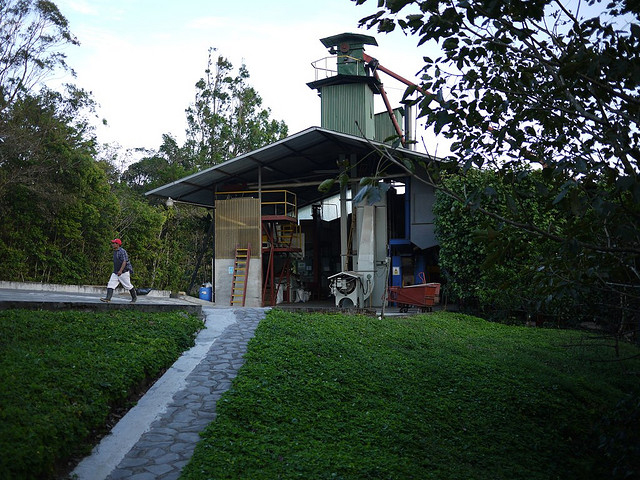
The remote location of Huehuetenango means farmers have no access to central processing facilities. Every producer must process their own coffee on-site. Fortunately, the region is rich in streams and water sources, enabling nearly every farm to build its own small wet mill or processing station. This self-reliance ensures freshness and traceability—but also means quality varies significantly from farm to farm. Despite the challenges, many smallholders focus on meticulous harvesting and processing to highlight their micro-lots’ unique character.
Flavour Profile: What to Expect
Coffees from Huehuetenango are celebrated for their vibrant acidity, full body, and lingering wine-like aftertaste. The combination of high altitude, extended ripening, and careful processing yields a cup that balances brightness with structure. Expect a cup that’s crisp and juicy upfront, with layered fruit notes and a velvety mouthfeel, finishing with a subtle grape or berry-like note. It’s this balance of power and finesse that makes Huehuetenango a favourite among specialty roasters looking for something beyond the typical volcanic profile.
Frequently Asked Questions
Where is the Huehuetenango coffee region located?
Huehuetenango is in western Guatemala, far from the country’s volcanic belt. It’s one of the three major non-volcanic coffee-growing areas in the nation, sitting at elevations up to 2,000 metres (6,500 feet).
Why is Huehuetenango coffee so high in altitude?
The region’s altitude reaches up to 2,000 metres (6,500 feet) due to its position in the Cuchumatanes mountain range. Protective winds from Mexico’s Tehuantepec Plateau prevent frost damage, making such heights viable for coffee farming.
Do farmers in Huehuetenango process their own coffee?
Yes. Due to the area’s remoteness, almost all coffee farms in Huehuetenango process their own beans on-site. They rely on nearby streams to build small wet mills or processing stations.
What does Huehuetenango coffee taste like?
Coffees from this region are known for high acidity, a full body, and a wine-like finish. Flavour notes often include bright fruits, velvet texture, and a lingering grape or berry impression on the aftertaste.
Is Huehuetenango a volcanic region?
No. Unlike Antigua or Atitlán, Huehuetenango is not a volcanic coffee zone. It’s one of Guatemala’s three main non-volcanic regions, yet it achieves similar elevations and produces complex coffees.
Why does Huehuetenango coffee have a winey finish?
The wine-like character comes from a mix of high altitude, careful fermentation during processing, and the region’s unique microclimate—including the dry winds that influence growing conditions and slow ripening.
Recommended FrontStreet Beans for Pour-Over
For fans of Huehuetenango’s bright and structured profile, try FrontStreet’s Brazil Queen Manor (Red Catuai): a medium roast with sweet red apple, milk chocolate, and soft acidity. Also consider FrontStreet’s Kenya Little Tomato, with its vivid blackcurrant, citrus zest, and winey tang—perfect for exploring wine-like notes. Both beans shine in pour-over and showcase the balance between acidity and body that Huehuetenango is known for. Freshly roasted within 5 days · Orders placed before 17:00 ship the same day · Next-day delivery across most of Guangdong Province.
FrontStreet Coffee is a long-established specialty coffee roaster in Guangzhou China, selling freshly roasted beans from its own farm in Yunnan as well as dozens of carefully selected single-origin beans from around the world for both pour-over and espresso. The products deliver consistently excellent quality and great value, with shipping within 24 hours. Guangzhou's FrontStreet Coffee shop is recommended by many coffee lovers, and the beans are now available online at the Tmall 。
Important Notice :
前街咖啡 FrontStreet Coffee has moved to new addredd:
FrontStreet Coffee Address: 315,Donghua East Road,GuangZhou
Tel:020 38364473