
"USAID"
322 article(s) found

Introduction of Huilan planting area in Colombia
Following Cafe Review (Wechat official account vdailycom) found that Beautiful Caf é opened a small shop of its own. The history of coffee cultivation in Colombia can be traced back to the Spanish colonial era in the 16th century, and there are many theories about the history of coffee in Colombia: one: it is said to come from the island of the Caribbean, through El Salvador in Central America. Second: in 1808, one

The characteristics of the story of the origin of coffee bean industry in Rwanda
For the exchange of professional baristas, please follow the coffee workshop (Wechat official account cafe_style) Today, when we mention Rwanda, more people immediately think of the 1994 Hutu genocide against the Tutsis in Rwanda (The Rwandan Genocide). In fact, the modern history of Rwanda and the development of coffee industry are inseparable.
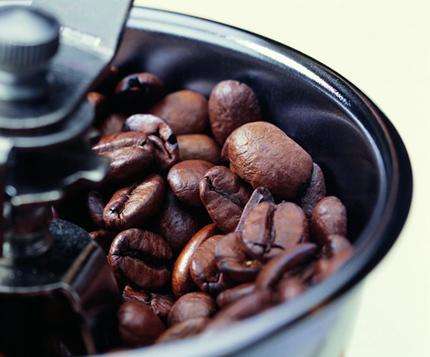
Where did the Rwandan coffee come from?
Following Cafe (official Wechat account vdailycom) found out how the coffee from Kenya was brought to Rwanda by German missionaries in 1904, but it was not until 1917 that the coffee production in Rwanda was large enough for export. After the first World War, the Trusteeship of the League of Nations (the League of Nations Mandate) was withdrawn.

The History of growing Coffee in Colombia and the famous Manor how much is a cup of Colombian coffee?
Professional coffee knowledge exchange more coffee bean information Please follow the coffee workshop (Wechat official account cafe_style) the history of coffee bean cultivation in Colombia, which can be traced back to the Spanish colonial era in 16th century, and there are many theories about the history of coffee in Colombia: one: it is said to come by sea from the island of the Caribbean, through El Salvador in Central America. Second,

The new Nicaragua
Just when the boutique coffee market was booming in the United States in the 1980-90's, the US government imposed an embargo on the Sandinista regime in Nicaragua, so Nicaraguan coffee would not appear on the display shelves of American coffee shops.

Prison coffee or paradise coffee? What's the flavor of Bolivian iron pickup coffee beans?
Professional coffee knowledge exchange more information about coffee beans Please follow the coffee workshop (Wechat official account cafe_style) people call Bolivia the closest place to heaven, Bolivia has lived up to the title. We naturally expect the coffee beans from Bolivia to have the aroma and purity of heaven. But in fact, on the contrary, it used to be a cup test.

What is the growing environment of coffee beans in East Timor? How many kinds of coffee are there in East Timor?
Professional coffee knowledge exchange more coffee bean information please follow the coffee workshop (Wechat official account cafe_style) how is the growing environment of coffee beans in East Timor? How many kinds of coffee are there in East Timor? In 1994, after years of conflict, the coffee industry in East Timor began to emerge. With the help of NCBA and USAID, coffee farmers formed the cooperative CooperativaCafTimor
The US government is anxious to allocate funds to help Central American farmers fight against it.
Guatemalan farmers show coffee beans damaged by fungi. Coffee is also "sick".

Elimination of coffee leaf rust in Latin America
The US government plans to join hands with Texas researchers to step up the fight against fungi that have caused 1 billion dollars in damage to coffee trees in Latin America and the Caribbean and curb high coffee prices.

American coffee leaf rust
One includes American International Group. In the 1990s, the Agency for International Development (USAID) and Starbucks will create a $23 fund that will help coffee farmers in the Americas continue to fight coffee leaf rust.
The US government has funded research on how to eliminate the deadly fungus of coffee beans.
Coffee is sick, too. The US government is stepping up efforts to help Central American farmers fight a devastating coffee disease in an effort to stem the rise in coffee prices, Hong Kong's East net reported on May 19. It is reported that the fungus, known as coffee rust, has caused more than $1 billion (6.23 billion yuan) in damage in Latin America. This fungus is used to make high-end and specialty coffee.
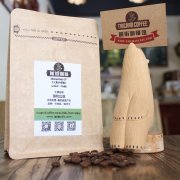
Special treatment of Huilan Plateau Diamond Manor in Huilan area of Colombia Huang bourbon
Monsalot is located in the southwest of the Colombian province of Ulla, and most of its farmers grow on a small scale, treating coffee as a staple agricultural product in exchange for cash. A few years ago, the New Millennium Farmers' Association (Grupo Asociativo Productores del Nuevo Milenio) was established to improve the quality of coffee and expect to sell births at higher prices.
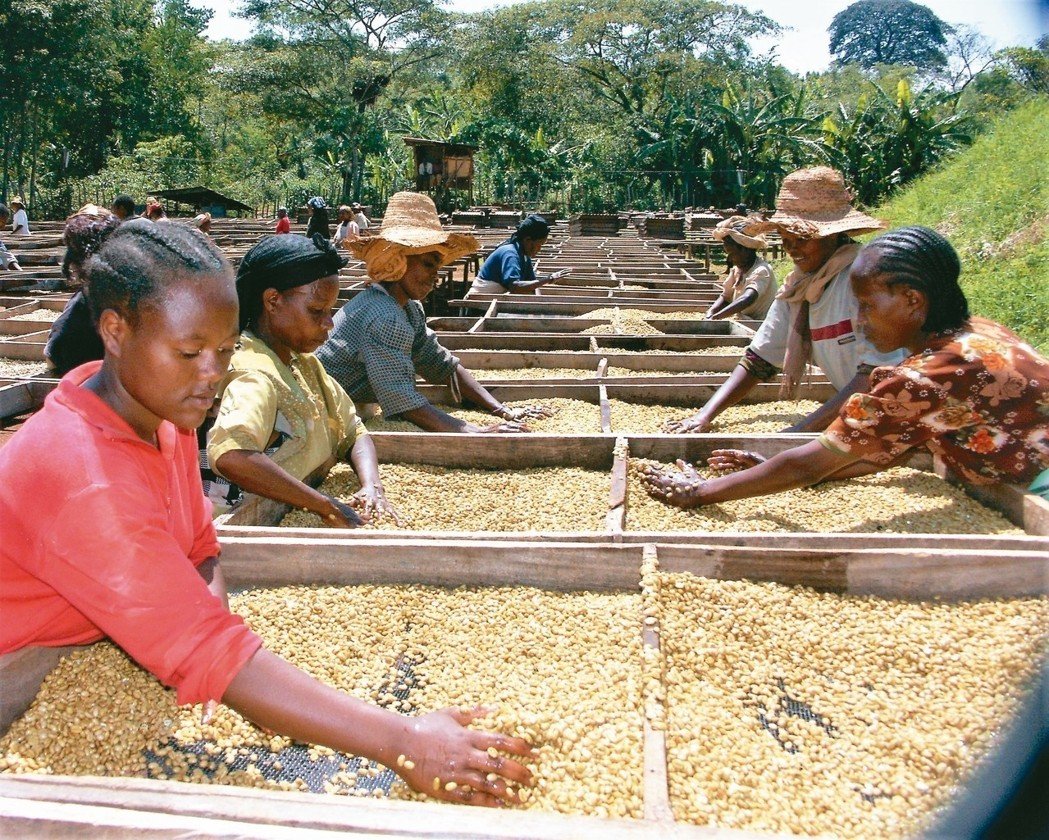
Bean hunter's African curiosity: walk into Ethiopia and open the treasure house of coffee beans
Professional coffee knowledge exchange more information about coffee beans please follow the coffee workshop (Wechat official account cafe_style) hand-turned beans in the sun. Photo / Xu Baolin (courtesy of Xile Culture) anyone who has a general understanding of the history of coffee knows that Ethiopia is not only the birthplace of coffee, but also a shrine in the eyes of bean hunters, a treasure trove of coffee genes, and tens of thousands of coffee born in Ethiopia.
Distribution characteristics of coffee in Nicaraguan producing areas introduction of Maraka Dula varieties
Nicaragua is located in central Central America. It is bounded by Honduras to the north, Costa Rica to the south, the Caribbean Sea to the east and the Pacific Ocean to the west. It is the largest country in Central America and the least populous country. Nicaragua grew coffee in the late 19th century, but it was not until the mid-19th century that the crop became an important export. The Nicaraguan government encourages people from Italy and Germany

Nicaraguan Joy Manor Coffee crisis
The economic and social chaos in Nepal has affected hundreds of thousands of people, whether it is unemployment, the decline in the number of immigrants, and national health problems. A study provided by the Santa Cruz Division of the University of California pointed out that the rate of malnutrition among children in coffee producing areas in Nicaragua accounted for 21%, while the rate of the whole country's people.

Columbia Millennium Manor has a balanced, solid taste, sweet and crisp American coffee beans.
Boutique coffee has a rich and beautiful taste. Even if the coffee made of boutique coffee beans is not all fine coffee, it depends on whether it gives full play to the characteristics of coffee beans, whether it has a good taste, if not, it can not be called boutique coffee. The term boutique coffee was first coined by Ms. Knudsen of the United States in Coffee and Tea magazine, when
Why does Bolivian coffee produce so little? Bolivian coffee bean flavor story
Professional coffee knowledge exchange more information about coffee beans Please follow the coffee workshop (Wechat official account cafe_style) if you want to talk about the paradise of coffee bean growth, it is Bolivia. This producing area can be regarded as one of the most recommended boutique coffee producing areas. Most of the coffee beans in this producing area are a little sweet and very pleasing, but the number of coffee beans is very small.
Boutique coffee Rwanda coffee origin Rwanda coffee practice
Rwandans have been growing coffee since colonial times, but until 1999, its products were still classified as below Class C and were not popular in the global market. The reason for the poor quality is that farmers do not have a fixed procedure for washing coffee beans and do not process coffee fruits according to specifications in time. Buyers buy coffee beans at $0.33 per kilogram, and farmers keep warm by the meagre profits earned at low prices.
Fine coffee Rwanda coffee manor Rwanda coffee producing area
Rwandans have been growing coffee since colonial times, but until 1999, its products were still classified as below Class C and were not popular in the global market. The reason for the poor quality is that farmers do not have a fixed procedure for washing coffee beans and do not process coffee fruits according to specifications in time. Buyers buy coffee beans at $0.33 per kilogram, and farmers keep warm by the meagre profits earned at low prices.
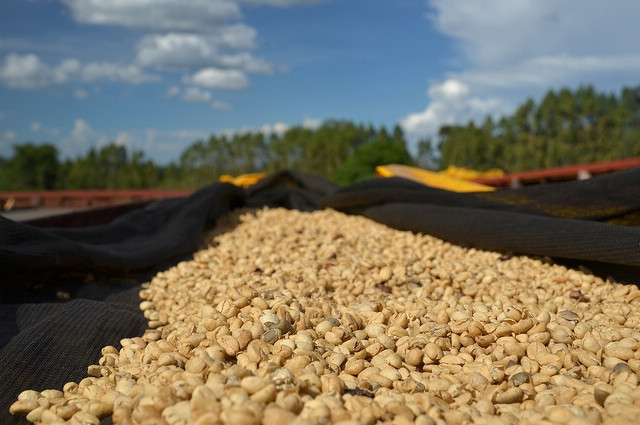
Boutique coffee Peru Peruka Hamaka Sunshine Cooperative Fair Trade washing treatment of ripe beans
Country: Peruvian production area: Cajamaca altitude: 1800-2000 m treatment: washed varieties: Tibika, Kaddura, Bourbon, Caduai producer: sunshine Cooperative Flavor: nut, Caramel, Cream Sunshine Cooperative (SOL Y COOP) was established in 2005, located in the Cajamarca coffee producing area of Peru (Peru) in South America, the And Mountains.