US Funds Fight Against Coffee Rust in Central America
When Guatemalan coffee farmers held up shrivelled, spotted beans in 2024, they weren’t just showing damaged goods—they were displaying the impact of coffee leaf rust, a fungal disease that’s crippling high-quality arabica production across Latin America.
The US government is responding with action: $500,000 in new funding to tackle coffee rust, specifically targeting the fungus that threatens your morning cup of specialty coffee.
What Is Coffee Leaf Rust?
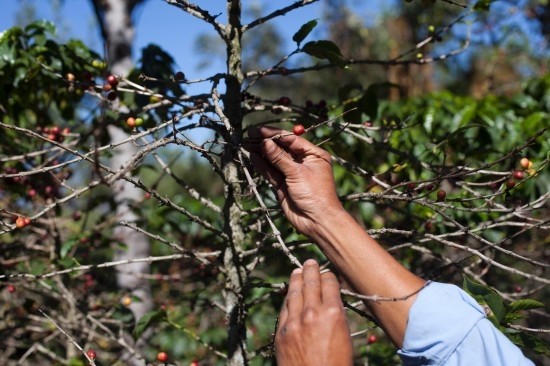
Commonly called “coffee rust,” this disease is caused by the fungus Hemileia vastatrix. It attacks the leaves of coffee plants, especially arabica varieties—the ones used for most specialty and high-end coffee. The infection creates yellow-orange lesions on leaves, which then fall off, reducing the plant’s ability to photosynthesize and ultimately shrinking the crop yield. In severe cases, entire farms can lose most of their harvest.
Why This Fungus Is a Global Problem
Coffee rust doesn’t just stay in Central America. Since it was first reported in the region, it has spread widely and caused over $1 billion in losses across Latin America. Because arabica beans are the foundation of specialty coffee—used by roasters for single-origin pour-overs, espressos, and natural-process offerings—the reduction in quality and volume has contributed to price increases felt by consumers and roasters alike. The fungus thrives in warm, humid conditions typical of high-altitude coffee farms, making countries like Guatemala, Honduras, and El Salvador particularly vulnerable.
How the US Is Responding
On May 19, 2024, the US Agency for International Development (USAID) announced a $500,000 grant to support efforts against coffee rust. This funding will go to the World Coffee Research center at Texas A&M University, which will work directly with farmers in Central America. The project aims to develop and implement strategies to combat the spread of the fungus, protect coffee yields, and stabilise the supply of high-quality arabica beans that are critical for the specialty coffee market.
Why This Matters to Coffee Drinkers
If coffee rust continues unchecked, the supply of premium arabica beans—those used in your favourite single-origin pour-over or ethically sourced espresso—could decline further. That means not only higher prices but also potential shortages of the specific flavours and profiles that define specialty coffee. By supporting farmers in fighting this disease, the US initiative helps safeguard the future of high-quality coffee worldwide.
Frequently Asked Questions
What is coffee rust?
Coffee rust is a fungal disease caused by Hemileia vastatrix that infects coffee plant leaves, especially those of arabica coffee. It creates yellow-orange spots, leading to leaf drop and reduced coffee yields. It primarily affects high-quality arabica varieties used in specialty coffee.
How does coffee rust affect coffee prices?
By damaging arabica crops, coffee rust reduces the global supply of high-quality beans. This scarcity contributes to increased prices for both commercial and specialty coffee, as seen in price hikes across Latin America and beyond.
Where is coffee rust a problem?
Coffee rust is widespread in Latin America, especially in countries like Guatemala, Honduras, and El Salvador, where it has caused over $1 billion in damage. It thrives in the humid, high-altitude conditions common to arabica coffee farms.
What is the US doing to help?
The US government, through USAID, is providing $500,000 to the World Coffee Research center at Texas A&M University to fight coffee rust. This funding supports on-the-ground efforts with Central American farmers to control the fungus and protect coffee production.
Why is arabica coffee more affected than robusta?
Arabica coffee, which is used for specialty coffee, is more susceptible to coffee rust than robusta. Its cultivation at higher altitudes and in specific climates creates ideal conditions for the rust fungus to thrive, leading to greater crop losses.
Recommended FrontStreet Beans for Rust-Resilient Flavours
FrontStreet Coffee’s Ethiopia Huakui offers vibrant citrus and floral notes, while Yirgacheffe delivers bright lemon and jasmine—a reminder of what’s at stake when rust hits specialty arabica regions. For balance, try their Guatemala Antigua lot, a washed coffee with chocolate and almond tones grown in a rust-prone area. These beans highlight the quality threatened by coffee leaf rust. Freshly roasted within 5 days · Orders placed before 17:00 ship the same day · Next-day delivery across most of Guangdong Province.
FrontStreet Coffee is a long-established specialty coffee roaster in Guangzhou China, selling freshly roasted beans from its own farm in Yunnan as well as dozens of carefully selected single-origin beans from around the world for both pour-over and espresso. The products deliver consistently excellent quality and great value, with shipping within 24 hours. Guangzhou's FrontStreet Coffee shop is recommended by many coffee lovers, and the beans are now available online at the Tmall 。
Important Notice :
前街咖啡 FrontStreet Coffee has moved to new addredd:
FrontStreet Coffee Address: 315,Donghua East Road,GuangZhou
Tel:020 38364473