
"USAID"
322 article(s) found

Coffee taste "grass aroma" flavor of Rwandan coffee
Rwandan coffee is absolutely high quality in the form of washed Arabica beans. As far as Africa is concerned, its coffee industry stands out because the country rises and falls by producing the best possible beans. The taste of Rwandan coffee is described as a grassy aroma with tropical climate characteristics. The country's fertile soil and climate help plants grow, and coffee trees seem to be driven

Coffee leaf rust strikes-Central American coffee producers suffer heavy losses
Coffee leaf rust, which begins to spread among coffee trees as small yellow spots, will soon turn coffee leaves into a pile of dead leaves.

How much is a kilo of coffee beans? where can I buy Peruka Hamaka producing area in Peru?
If you prefer not to spend too much money, learning to choose coffee beans is the first and most important step. If you want to make a good cup of coffee, in addition to your own technology, the most important thing is how to select high-quality coffee beans and how to better preserve them. Here, I would like to make a few suggestions. When buying coffee, it is best to buy coffee beans rather than ground them.

History, geography and climate of coffee in Rwanda
Rwandans have been growing coffee since colonial times, but until 1999, its products were still classified as below Class C and were not popular in the global market. The reason for the poor quality is that farmers do not have a fixed procedure for washing coffee beans and do not process coffee fruits according to specifications in time. Buyers buy coffee beans at $0.33 per kilogram, and farmers keep warm by the meagre profits earned at low prices.
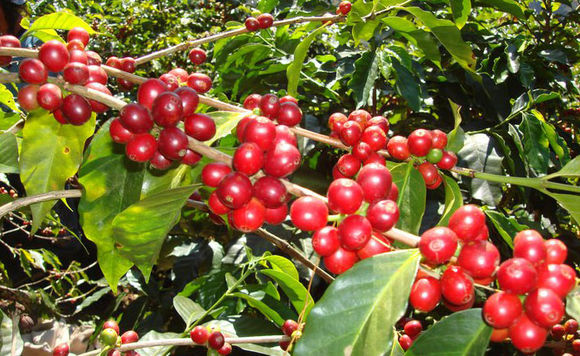
Is the fairness of Sunshine Cooperative in Cajamaka producing area in Peru Robusta species or Arabica species?
Global coffee bean tree species are mainly divided into: Arabica and Canephora, of which Arabica coffee beans account for more than 100 coffee varieties of 70%80%coffee. The more common coffee varieties are: Arabica Arabica, with outstanding personality and unique flavor, is the main force of boutique coffee, mainly used in coffee shop management and high-end coffee market supply; Robsta
Coffee beans introduce "grass aroma" flavor of Rwandan coffee
Rwandan coffee is absolutely high quality in the form of washed Arabica beans. As far as Africa is concerned, its coffee industry stands out because the country rises and falls by producing the best possible beans. The taste of Rwandan coffee is described as a grassy aroma with tropical climate characteristics. The country's fertile soil and climate help plants grow, and coffee trees seem to be driven

Nicaraguan Coffee Industry introduces Fine Coffee Matagalpa Central Central America
Now that Nicaragua is facing a crisis in the coffee industry, most coffee farmers reflect on the shortcomings of the original mode of production. "sometimes the crisis can divide the hearts of the people, but sometimes it can also unite the hearts of the people," he said. Many Nicaraguan coffee farmers find that they can survive if they join cooperatives, organic certification schemes, or fair trade associations. "Bacon and

Introduction to the flavor and taste characteristics of Malaba coffee in southern Rwanda
Rwandans have been growing coffee since colonial times, but until 1999, its products were still classified as below Class C and were not popular in the global market. The reason for the poor quality is that farmers do not have a fixed procedure for washing coffee beans and do not process coffee fruits according to specifications in time. Buyers buy coffee beans at $0.33 per kilogram, and farmers keep warm by the meagre profits earned at low prices.

Rwanda COE award-winning Nyamyuba coffee beans hand-made reference _ grass-scented Rwandan coffee
Professional coffee knowledge exchange more coffee bean information please follow coffee workshop (Wechat official account cafe_style) Rwanda (Rwanda) is located in Central Africa, north of Uganda, east of Tanzania, south of Burundi, west of the Republic of Congo, is a completely standard landlocked country, first introduced by German missionaries and started to grow coffee around 1904.

Coffee bean common sense "grass aroma" flavor of Rwandan coffee
Rwandan coffee is absolutely high quality in the form of washed Arabica beans. As far as Africa is concerned, its coffee industry stands out because the country rises and falls by producing the best possible beans. The taste of Rwandan coffee is described as a grassy aroma with tropical climate characteristics. The country's fertile soil and climate help plants grow, and coffee trees seem to be driven
Coffee beans selection course Coffee Bean Brand Guide Colombian Millennium Manor Coffee beans
With the deepening of people's contact with coffee, ordinary taste can no longer meet people's needs. As a result, more and more coffee lovers will buy their own beans and go home from the beginning of grinding, blending their favorite coffee flavor step by step. The size of coffee beans

Nicaraguan Coffee Manor Tianyi Manor introduces Matagalpa producing area
As a result, the overall revenue of coffee farmers in our country has been reduced by US $1 million, which has a direct impact on the livelihood of about 30, 000 coffee farmers, especially in the growing areas. For Nicaragua, the overall coffee industry is depressed, which has a great impact on the country. In Nicaragua, the coffee industry provides 200000 of the country's jobs, and coffee beans are the country's most economically valuable crop, accounting for the country's exports.

Nicaraguan Coffee Flavor Manor production area introduces Joy Manor
In February this year, I joined a delegation of Nicaraguan coffee buyers. Over the past nine years, I occasionally visited the coffee-producing areas of Nicaragua, but this time, I felt the sinister impact that the Nicaraguan coffee industry is facing. The persistently depressed coffee prices have a serious impact on the Nepalese economy, but even with such obstacles, people in this place still hold.
Detailed introduction of the method of Variety treatment in African Coffee producing areas in Rwanda
African Rwanda Coffee Inland Eastern Africa the country of Rwanda is located in the middle of the continent, not far from Kenya, one of the world's leading coffee countries. It was not until the early 20th century that the first coffee trees arrived in Rwanda, but it was another three decades before Rwanda's coffee production began to take off. A desolate country that developed coffee culture under the impact of the war. After the war subsided, farmers

Boutique Rwandan coffee
Rwandan coffee is absolutely high quality in the form of washed Arabica beans. As far as Africa is concerned, its coffee industry stands out because the country rises and falls by producing the best possible beans. The taste of Rwandan coffee is described as a grassy aroma with tropical climate characteristics. The country's fertile soil and climate help plants grow, and coffee trees seem to be driven

Description of the flavor of Rwandan coffee with "grass aroma" flavor
Rwandan coffee is absolutely high quality in the form of washed Arabica beans. As far as Africa is concerned, its coffee industry stands out because the country rises and falls by producing the best possible beans. The taste of Rwandan coffee is described as a grassy aroma with tropical climate characteristics. The country's fertile soil and climate help plants grow, and coffee trees seem to be driven

Rwanda Coffee Flavor
Rwandans have been growing coffee since colonial times, but until 1999, its products were still classified as below Class C and were not popular in the global market. The reason for the poor quality is that farmers do not have a fixed procedure for washing coffee beans and do not process coffee fruits according to specifications in time. Buyers buy coffee beans at $0.33 per kilogram, and farmers keep warm by the meagre profits earned at low prices.

Introduction of Coffee Manor in Malaba, Rwanda
In early 2003, UCR distributed Malaba coffee through the Sainsburys supermarket in Sainsbury and sold it in its 350 stores until Red nose Day that year. In 2003, Abauzam Gump made a net profit of US $35000. Of this, 70% is allocated to farmers at a price of US $0.75 per kilogram.

South American coffee bean beads-characteristics of Bolivian coffee beans creamy sticky taste and sweetness
Professional coffee knowledge exchange more coffee bean information please follow the coffee workshop (Wechat official account cafe_style) front street-Bolivian coffee introduction Bolivia's coffee production is mainly small farmer production system, the country has 23000 small farms with a size of 2-9 hectares, and in particular, about 40% of Bolivia's coffee culture is mainly domestic.

Nicaraguan Coffee Manor Joy Manor introduces Matagalpa producing area
For Nicaragua, the overall coffee industry is depressed, which has a great impact on the country. In Nicaragua, the coffee industry provides 200000 of the country's jobs, and coffee beans are the country's most economically valuable crop, accounting for 20% of the country's total exports. The low price of coffee has hit all the countries that produce washed Arabica beans, but the pain seems to be even more magnified in Nepal.