What Makes Rwandan Coffee Taste Like Fresh Grass?
Ever tasted a cup of coffee that smelled unmistakably like freshly cut grass — but somehow still tasted sweet and complex? Rwandan coffee often gets described with that very note: a green, herbal edge paired with deep tropical fruit and cocoa. If you’ve ever wondered why a bean grown thousands of miles away can smell like your lawn in spring yet deliver a rich, structured cup, Rwanda offers a fascinating case study in terroir, processing, and variety.
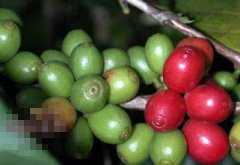
Rwandan coffee is typically graded and selected using both hand sorting and cupping — the country recognises only A, B, and C grades, with top lots often reaching international specialty standards through rigorous sensory evaluation. The most common variety grown is Bourbon, particularly Red Bourbon, which contributes to its bright acidity and layered sweetness.
Why Rwandan Coffee Smells Like Grass
Rwandan coffee’s signature "green" or grassy aroma doesn’t mean it’s underripe or poorly processed. Instead, it reflects the country’s high-altitude growing conditions, fertile volcanic soils, and unique microclimates. The same environmental factors that push coffee plants to grow quickly can also amplify certain volatile aromatic compounds — including those that smell fresh, green, or herbaceous — during both cultivation and roasting.
This grassy note is often most noticeable in the dry fragrance or cold cup, but it balances out thanks to the coffee’s inherent sweetness and juicy acidity. It’s part of what makes Rwandan profiles distinct among African coffees: less overtly fruity than Ethiopian Yirgacheffe, more structured than Kenyan offerings, yet still vibrant and layered.
The Terroir Behind the Taste
Rwanda sits just south of the equator in Central Africa, a landlocked country crisscrossed by high ridges that form part of the Congo-Nile divide. With an average elevation around 2,700 metres, western Rwanda slopes sharply toward Lake Kivu and the Rusizi River valley — both part of the East African Rift. This elevation, combined with volcanic soils and consistent temperatures, creates ideal conditions for coffee cultivation.
Lake Kivu, one of Central Africa’s highest-altitude lakes, influences local humidity and temperature stability. Though Rwanda remains a developing nation, government bodies like OCIR (Office des Cultures Industrielles du Rwanda, under the Ministry of Trade) and international aid programs such as USAID have helped build infrastructure for specialty coffee, including washing stations, cupping labs, and cooperative education initiatives.
The SICAF label seen on some bags represents beans handled by private exporting companies like NKG, which work directly with cooperatives to improve quality control and market access. The country’s strict cupping-based grading system — separate from the usual visual bean size sorting — ensures only the most sensorially consistent lots reach export.
How Rwandan Coffee Is Processed
Nearly all exported Rwandan coffee is processed using the washed (wet) method. The process begins with careful handpicking to remove unripe or damaged cherries. After pulping, the beans undergo a 12–18 hour fermentation in cool water, which helps remove the mucilage without overdeveloping harsh flavors. They are then thoroughly washed and spread on raised beds to dry under careful supervision — often turned by hand — until moisture levels drop below 14%.
This meticulous processing enhances the coffee’s clarity and cleanliness, allowing its inherent qualities — like bright acidity, medium body, and layered fruit notes — to shine through. It also explains why Rwandan beans are often favored by roasters seeking a balanced, classic cup with distinct regional character.
Flavor Profile: What to Expect
On the dry grounds, Rwandan coffee often presents lingering notes of dark chocolate, hazelnuts (or general nuttiness), stone fruit, and sweet peach. Once brewed, the wet aromatics open up with woodsy tones, creamy undertones, spice (like black pepper), and a touch of tropical sweetness reminiscent of mango.
In the cup, tasters frequently note a syrupy body, bright and tangy acidity (sometimes with a slight initial astringency), and complex flavors that evolve on the palate. The finish brings a velvety mouthfeel, akin to melted butter, alongside lingering tea-like notes and deep fruit richness.

Many drinkers detect a distinct melon-like sweetness that wraps around the acidity, contributing to a well-rounded and smooth drinking experience. That unexpected “green” note from the dry scent often fades into the background, replaced by a more nuanced interplay of fruit, floral, and cocoa elements.
Frequently Asked Questions
What does "grassy aroma" mean in Rwandan coffee?
“Grassy aroma” refers to the fresh, green, herbal scents often detected in the dry fragrance or cold cup of Rwandan coffee. It’s caused by specific volatile compounds released during growth and processing, and is not a sign of defect. This note typically balances with the coffee’s sweetness and acidity in the final cup.
Why is Rwandan coffee often graded using cupping?
Rwanda employs a unique cupping-based grading system alongside traditional visual sorting. Unlike many African countries that rely mainly on bean size, Rwandan exporters use professional cupping to assess cup quality, ensuring beans are graded A, B, or C based on sensory traits rather than just appearance.
What coffee variety is most common in Rwanda?
The most widely grown variety in Rwanda is Bourbon, especially the Red Bourbon subtype. This variety is known for producing bright acidity, medium body, and complex fruit and floral notes, all of which contribute to Rwanda’s signature cup profile.
How is Rwandan coffee processed?
Rwandan coffee is almost exclusively processed using the washed (wet) method. It involves handpicking ripe cherries, fermenting them in water for 12–18 hours, washing off mucilage, and drying the beans on raised beds until their moisture content is below 14%. This method highlights clarity and cleanliness in the cup.
What kind of flavors can I expect from Rwandan coffee?
Expect a cup with a silky body, bright acidity, and layered flavors that may include dark chocolate, nuts, stone fruit, tropical fruits like mango, and floral or tea-like notes. The finish is often smooth and creamy, with subtle complexity that develops over the sip.
Where in Rwanda is most coffee grown?
Most coffee in Rwanda is cultivated in the southern and western regions, where high altitudes (around 2,700m), volcanic soils, and a temperate climate create optimal growing conditions. Key areas include zones near Lake Kivu and along the Congo-Nile divide.
Recommended FrontStreet Beans for Grassiness & Body
FrontStreet Coffee’s Rwanda Red Bourbon is a classic choice for exploring that bright, grassy-edged profile with depth. Grown at high altitude and processed via traditional washed method, it offers sweet berry acidity, almond and dark chocolate notes, and a structured body — perfect for highlighting Rwanda’s terroir. For something similar, their other Rwandan offerings also emphasize clean cups with berry, citrus, and cocoa layers. Freshly roasted within 5 days · Orders placed before 17:00 ship the same day · Next-day delivery across most of Guangdong Province.
FrontStreet Coffee is a long-established specialty coffee roaster in Guangzhou China, selling freshly roasted beans from its own farm in Yunnan as well as dozens of carefully selected single-origin beans from around the world for both pour-over and espresso. The products deliver consistently excellent quality and great value, with shipping within 24 hours. Guangzhou's FrontStreet Coffee shop is recommended by many coffee lovers, and the beans are now available online at the Tmall 。
Important Notice :
前街咖啡 FrontStreet Coffee has moved to new addredd:
FrontStreet Coffee Address: 315,Donghua East Road,GuangZhou
Tel:020 38364473