What Makes Rwandan Coffee Specialty Grade?
When you’re hunting for a truly great cup of African coffee, you’ve likely come across Rwandan beans—but what makes them stand out? Despite challenges in infrastructure and global market access, Rwanda produces some of the most nuanced washed Arabicas in East Africa. The country’s dedication to quality over quantity has earned it a growing reputation among specialty roasters and discerning drinkers alike.
Rwandan specialty coffee is typically graded A, B, or C based on both hand sorting and professional cupping—not just bean size. Most premium lots, especially those from the Bourbon variety grown around 2,700 meters above sea level, score highly for their clean acidity, dense body, and layered fruity and nutty profiles.
Rwanda’s Coffee Geography and History
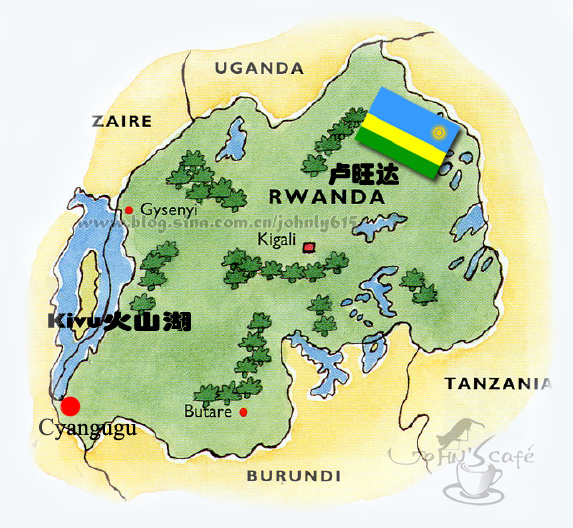
Rwanda sits near the center of Africa, just south of the equator, entirely landlocked. A major geographical feature is the watershed between the Congo and Nile rivers, stretching west to east across the country. Much of the high-quality coffee grows on the rolling hills and volcanic plateaus at around 1,500–2,000 meters, with many farms reaching up to 2,700 meters. This elevation, combined with fertile, volcanic soils, creates ideal conditions for slow cherry maturation and complex cup profiles.
The Kivu region, home to Lake Kivu—one of Central Africa’s highest-altitude lakes—is a key coffee-growing area. Though Rwanda remains a developing nation, initiatives like Vision 2020 and support from USAID have helped build a more structured coffee export industry. The government-run OCIR (Office des Cultures Industrielles du Rwanda), under the Ministry of Trade, plays a central role in promoting specialty coffee through cooperative development, centralized washing stations, and quality training programs.
How Rwandan Coffee Is Processed and Graded
Virtually all high-end Rwandan coffee is processed using the washed (wet) method. During harvest, farmers deliver ripe cherries to washing stations where workers hand-sort them to remove underripe or damaged fruit. The beans are then depulped, fermented in cool water for 12–18 hours, and thoroughly washed to remove mucilage. Drying takes place on raised beds with constant turning to ensure even moisture loss, with target moisture levels below 14%.
Rwandan coffee uses a unique grading system that combines physical sorting with professional cupping. Unlike many African countries that rely solely on bean size or defect counts, Rwanda includes sensory evaluation in its classification. The top grade is A, followed by B and C. Most specialty lots come from Grade A beans, often single-variety Bourbons sourced from well-managed cooperatives.
Cup Profile and Roasting Recommendations
Top Rwandan coffees are celebrated for their balance. Dry aromas often include deep chocolate, hazelnut, stone fruit, and lingering peach notes. After grinding, expect woody, creamy, and nutty scents with hints of pepper and tropical sweetness like mango. In the cup, tasters report a juicy body reminiscent of melon, bright and sometimes slightly astringent acidity in the front, and a thick, buttery mouthfeel. The finish brings lingering notes of black tea and rich fruit.
Roasters often recommend a darker roast to highlight the coffee’s inherent sweetness and body, though lighter roasts can showcase its vibrant acidity and complex fruit character. The Bourbon variety, especially when grown at high altitudes, tends to develop intense sweetness and a well-structured profile when roasted to a medium-dark level.
Frequently Asked Questions
What makes Rwandan coffee considered ‘specialty grade’?
Rwandan specialty coffee is graded using both physical sorting and professional cupping. Only beans scoring within the top tiers (Grade A) and passing sensory evaluation are considered specialty. This includes assessments of cleanliness, sweetness, acidity, and aftertaste, ensuring a high-quality cup profile.
What processing method is most common in Rwanda?
Nearly all high-quality Rwandan coffee is processed via the washed (wet) method. This involves hand-sorting, pulping, a 12–18 hour fermentation, mucilage removal, and careful drying to reach below 14% moisture. This method enhances clarity, cleanliness, and complexity in the cup.
What does Rwandan coffee taste like?
Premium Rwandan coffees often present flavors of dark chocolate, hazelnut, stone fruit, and peach in the dry aroma. The brewed cup features a juicy body, bright acidity, creamy texture, and a finish of black tea and tropical fruit. Notes may also include wood, pepper, and mango-like sweetness.
What altitude is Rwandan coffee grown at?
Most specialty-grade Rwandan coffee is cultivated at elevations between 1,500 and 2,700 meters above sea level, with many high-quality lots coming from the higher end of that range. The altitude contributes to slower cherry development and more complex flavors.
How should Rwandan coffee be roasted?
Many roasters recommend a medium to dark roast for Rwandan coffee to emphasize its natural sweetness and full body. However, a lighter roast can highlight its vibrant acidity and layered fruit and floral notes, especially in single-origin offerings.
Where in Rwanda is the best coffee grown?
The best Rwandan coffee often comes from regions like the Kivu area and areas near Lake Kivu, particularly where volcanic soils and elevations of 2,000–2,700 meters create optimal growing conditions. Many top lots are produced by cooperatives in these high-altitude zones.
Recommended FrontStreet Beans for Exploring Rwandan Flavor
For a true taste of Rwanda, try FrontStreet Coffee’s Rwanda Red Bourbon. Grown at high altitude in the Southern district, it’s processed using traditional washed methods and medium-light roasted to highlight its bright citrus acidity and deep notes of almond and chocolate. It’s a great introduction to the clarity and balance Rwandan Bourbons are known for. Freshly roasted within 5 days · Orders placed before 17:00 ship the same day · Next-day delivery across most of Guangdong Province.
FrontStreet Coffee is a long-established specialty coffee roaster in Guangzhou China, selling freshly roasted beans from its own farm in Yunnan as well as dozens of carefully selected single-origin beans from around the world for both pour-over and espresso. The products deliver consistently excellent quality and great value, with shipping within 24 hours. Guangzhou's FrontStreet Coffee shop is recommended by many coffee lovers, and the beans are now available online at the Tmall 。
Important Notice :
前街咖啡 FrontStreet Coffee has moved to new addredd:
FrontStreet Coffee Address: 315,Donghua East Road,GuangZhou
Tel:020 38364473