US and Texas Researchers Target Latin American Coffee Rust
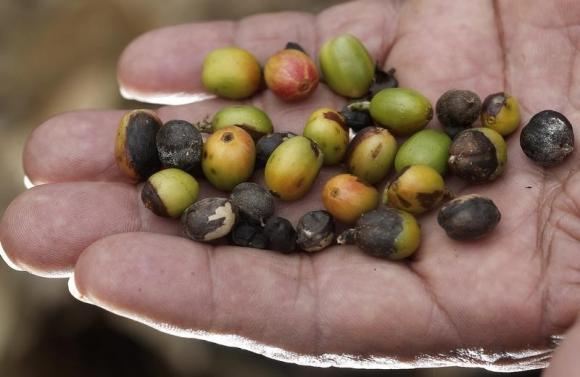
In recent years, coffee farms from Mexico to Peru have been ravaged by a deadly yellow and orange fungus—coffee leaf rust. This outbreak, the worst in Latin American history, has already destroyed coffee trees worth over $1 billion and threatens to hike global coffee prices further.
The US government, alongside researchers from Texas A&M University, is committing $500,000 to fight the fungus, aiming to protect coffee production and the livelihoods of half a million people dependent on the crop. The initiative begins officially on June 19.
What Is Coffee Leaf Rust?
Coffee leaf rust is a fungal disease caused by the pathogen Hemileia vastatrix. It appears as yellow and orange spots on coffee leaves, eventually leading to defoliation, reduced yields, and in severe cases, the death of the coffee plant. It primarily affects arabica coffee trees, which produce the high-quality beans used in specialty coffee, espresso, and single-origin brews.
Why Latin America Is Hit Hardest
From 2021 to 2023, the fungus swept through coffee-growing regions across Central America and South America. Countries like Guatemala, Honduras, and El Salvador have seen particularly devastating impacts. Arabica varieties, which dominate the region, are highly susceptible, and smallholder farmers—who supply much of the world’s premium coffee—have borne the brunt.
The epidemic has not only damaged crops but also destroyed jobs. According to the United States Agency for International Development (USAID), around 500,000 people whose livelihoods depend on coffee farming are now at risk. Many of them are small farmers or seasonal workers, some of whom may turn to illegal activities due to rising unemployment, especially in countries like Guatemala, Honduras, and El Salvador.
The $500,000 Research Push
To fight back, the US International Development Agency is joining forces with Texas A&M University’s World Coffee Research program. Together, they’re launching a $500,000 collaboration to combat the ongoing coffee leaf rust crisis. While the full details are yet to be disclosed, the effort targets long-term solutions to suppress the fungus and restore coffee yields in affected regions.
The partnership is set to be formally announced on June 19. The initiative arrives as experts warn that coffee leaf rust could reduce regional production by 15% to 40% in the coming years if left unchecked.
How Coffee Leaf Rust Hurts the Global Market
Arabica coffee from Latin America is a cornerstone of the global specialty coffee trade. When production falls in countries like Guatemala or Honduras, supply tightens worldwide—especially for high-quality beans used in espresso blends, single-origin pour-overs, and specialty roasts. This leads to price increases that affect both importers and consumers. With rust-damaged harvests, the supply of popular varieties like Typica, Caturra, and Catuai becomes unreliable, forcing roasters to seek alternatives or raise prices.
Frequently Asked Questions
What is coffee leaf rust?
Coffee leaf rust is a fungal disease that appears as yellow and orange spots on coffee leaves, caused by Hemileia vastatrix. It weakens the plant, reduces yield, and can kill coffee trees if not controlled.
Which coffee varieties are most affected by coffee leaf rust?
Arabica coffee varieties, especially those commonly grown in Central and South America like Typica, Caturra, and Catuai, are highly susceptible to coffee leaf rust. These are the same beans used in specialty and espresso coffees.
How much damage has coffee leaf rust caused in Latin America?
The current outbreak has destroyed coffee trees worth over $1 billion across Latin America and is expected to reduce regional production by as much as 15% to 40% in the coming years.
What is the US doing to fight coffee leaf rust?
The US government, through USAID, is partnering with Texas A&M University’s World Coffee Research program to invest $500,000 in efforts to control the fungus and support affected coffee-growing communities.
Why is coffee leaf rust a problem for coffee prices?
When rust damages coffee harvests in major producing countries, the global supply of high-quality arabica beans drops, leading to tighter availability and higher prices for both commercial and specialty coffee.
How does coffee leaf rust impact coffee farmers?
The disease causes crop loss and job cuts, affecting around 500,000 people in the coffee industry, many of whom are smallholder farmers or seasonal workers who may face poverty or turn to illegal work without income.
FrontStreet Coffee Arabica Picks for Leaf-Rust Awareness
Explore FrontStreet Coffee’s classic arabica selections that highlight the quality threatened by coffee leaf rust. The Jamaica Blue Mountain No.1 (Typica) offers a balanced profile of chocolate, almond, and cream with the refined aroma typica varieties are known for. For bright, citrus-driven complexity, try the Yirgacheffe washed coffee from the Gedeb cooperative, showcasing Ethiopian typica heritage with grape and floral notes. Also consider the Brazil Queen Manor Yellow Bourbon, grown at altitude with creamy peanut and sweet caramel tones. All are vulnerable to rust, making their preservation vital. Freshly roasted within 5 days · Orders placed before 17:00 ship the same day · Next-day delivery across most of Guangdong Province.
FrontStreet Coffee is a long-established specialty coffee roaster in Guangzhou China, selling freshly roasted beans from its own farm in Yunnan as well as dozens of carefully selected single-origin beans from around the world for both pour-over and espresso. The products deliver consistently excellent quality and great value, with shipping within 24 hours. Guangzhou's FrontStreet Coffee shop is recommended by many coffee lovers, and the beans are now available online at the Tmall 。
Important Notice :
前街咖啡 FrontStreet Coffee has moved to new addredd:
FrontStreet Coffee Address: 315,Donghua East Road,GuangZhou
Tel:020 38364473