
"Waykan"
5 article(s) found
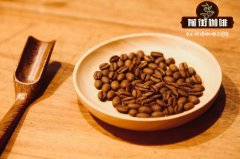
Guatemala Vivetnam Fruit producing area | Waykan "Night Star" microbatch | washed Casteo Cas
Professional coffee knowledge exchange more coffee bean information please follow the coffee workshop (Wechat official account cafe_style) Guatemala Vivetna fruit producing area | Waykan Night Star Micro batch | wash Casteo Castillo, Kaddura flavor? In the Guatemalan dialect, Waykan means a star or starlight shining in the night sky. Project Night Star (Waykan) is a raw bean.
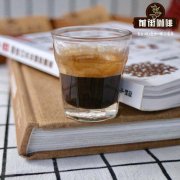
Guatemala | Waykan in Quiche province United Farm washing iron pickup truck, Kaddura, card
Professional coffee knowledge exchange more coffee bean information please follow the coffee workshop (Wechat official account cafe_style) Guatemala | Waykan, Keiche province United Farm washed iron pickup card, Kaddura, Kaduai flavor? Coffee has saved Guatemala's economy in the past century. It is estimated that there are about 120000 thousand producers there.

"Waykan" in the province of Chiche, Guatemala, United Farm Vivetna Fruit
Coffee has saved the Guatemalan economy in the past century. It is estimated that there are about 120000 thousand producers, accounting for 40% of agricultural exports. As many as 20 of 22 provinces are engaged in coffee cultivation. Almost all areas have coffee beans, 98% have shade, almost by Arabica.
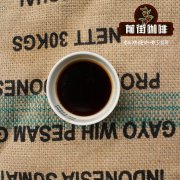
Guadillajiche province Guang Liang United Farm introduces tropical fruit conditioned coffee
Country: Quiche producing area: Waykan Quiche Province Farm name: Waykan Light United Farm altitude: 1100-1800m Annual rainfall: 5500 mm soil: Volcanic clay volcanic soil varieties: Tibika, Bourbon, Kaduai, Kaddura, treatment: washing harvest time: March to July appearance:. 16-18 mesh flavor: delicate cranberry aroma
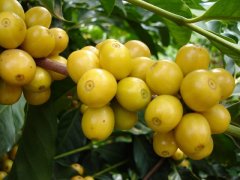
Guatemala Sleeping Beauty Manor with the origin of light farm comparison
Professional barista exchanges, please pay attention to coffee workshop (Weixin Official Accounts cafe_style ) Guatemala Quiche Waykan Light United Farm Coffee has saved Guatemala's economy in the past 100 years. It is estimated that there are about 125,000 producers in the area at present, accounting for 40% of export agricultural products. As many as 20 of the 22 provinces are engaged in coffee cultivation.