
"amide"
87 article(s) found

How does the sour and bitter in coffee come from?
Many thermal and chemical reactions take place during baking: decarbonation, dehydration of quinic acid, subdivision, isomerization, polymerization, and complex sugar reactions (caramelization).
Basic chemical reactions that occur during coffee roasting
Many thermal and chemical reactions take place during baking: decarbonation, dehydration of quinic acid, fragmentation, isomerization, polymerization, and complex sugar reactions (caramelization). The main thermally reactive components are monosaccharides and sucrose, chlorogenic acid, displaced amino acids, and trigonelline amide. Both aravinone and calactose in polysaccharides are transferred, and basic sulfurization contains hydroxyamino acids.
The basic chemical reaction of coffee roasting process
Many thermal and chemical reactions take place during baking: decarbonation, dehydration of quinic acid, subdivision, isomerization, polymerization, and complex sugar reactions (caramelization). The main components of the thermal reaction are monosaccharides and sucrose, chlorogenic acid, free amino acids, and fenugreek amide. Both aravinose and calactose in the polysaccharides are transferred, and the basic vulcanization contains hydroxylated amino acid.
The basic chemical reaction that takes place during coffee roasting.
Many thermal and chemical reactions take place during baking: decarbonation, dehydration of quinic acid, subdivision, isomerization, polymerization, and complex sugar reactions (caramelization). The main components of the thermal reaction are monosaccharides and sucrose, chlorogenic acid, free amino acids, and fenugreek amide. Both aravinose and calactose in the polysaccharides are transferred, and the basic vulcanization process includes hydroxylamine.

The basic chemical reactions that take place during coffee roasting
Many thermal and chemical reactions take place during baking: decarbonation, dehydration of quinic acid, subdivision, isomerization, polymerization, and complex sugar reactions (caramelization). The main components of the thermal reaction are monosaccharides and sucrose, chlorogenic acid, free amino acids, and fenugreek amide. Both aravinose and calactose in the polysaccharides are transferred, and the basic vulcanization process includes hydroxylamine.
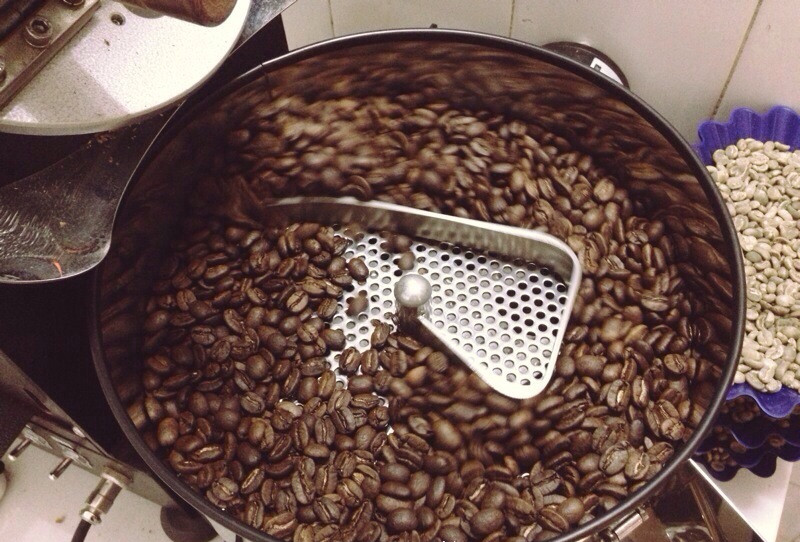
Basic chemical reactions of coffee beans during coffee roasting
Many thermal and chemical reactions take place during baking: decarbonation, dehydration of quinic acid, subdivision, isomerization, polymerization, and complex sugar reactions (caramelization). The main components of the thermal reaction are monosaccharides and sucrose, chlorogenic acid, free amino acids, and fenugreek amide. Both aravinose and calactose in the polysaccharides are transferred, and the basic vulcanization process includes hydroxylamine.
The basic chemical reactions that take place during coffee roasting
Many thermal and chemical reactions take place during baking: decarbonation, dehydration of quinic acid, subdivision, isomerization, polymerization, and complex sugar reactions (caramelization). The main components of the thermal reaction are monosaccharides and sucrose, chlorogenic acid, free amino acids, and fenugreek amide. Both aravinose and calactose in the polysaccharides are transferred, and the basic vulcanization process includes hydroxylamine.
The basic chemical reactions that take place during coffee roasting.
Many thermal and chemical reactions take place during baking: decarbonation, dehydration of quinic acid, subdivision, isomerization, polymerization, and complex sugar reactions (caramelization). The main components of the thermal reaction are monosaccharides and sucrose, chlorogenic acid, free amino acids, and fenugreek amide. Both aravinose and calactose in the polysaccharides are transferred, and the basic vulcanization process includes hydroxylamine.
The basic chemical reaction of coffee technology in the process of coffee roasting
Many thermal and chemical reactions take place during baking: decarbonation, dehydration of quinic acid, subdivision, isomerization, polymerization, and complex sugar reactions (caramelization). The main components of the thermal reaction are monosaccharides and sucrose, chlorogenic acid, free amino acids, and fenugreek amide. Both aravinose and calactose in the polysaccharides are transferred, and the basic vulcanization process includes hydroxylamine.
The basic chemical reaction that takes place during coffee roasting.
Basic chemical reactions that occur during coffee roasting author: Carl Staub originates from the SCAA baking color classification system, developed by Agtron SCAA 1995 original text from: http://www.sweetmarias.com/roast.carlstaub.html translation: Grant, http://www.baristacn.com/forum/thread-1583-1-1.html in the roasting process
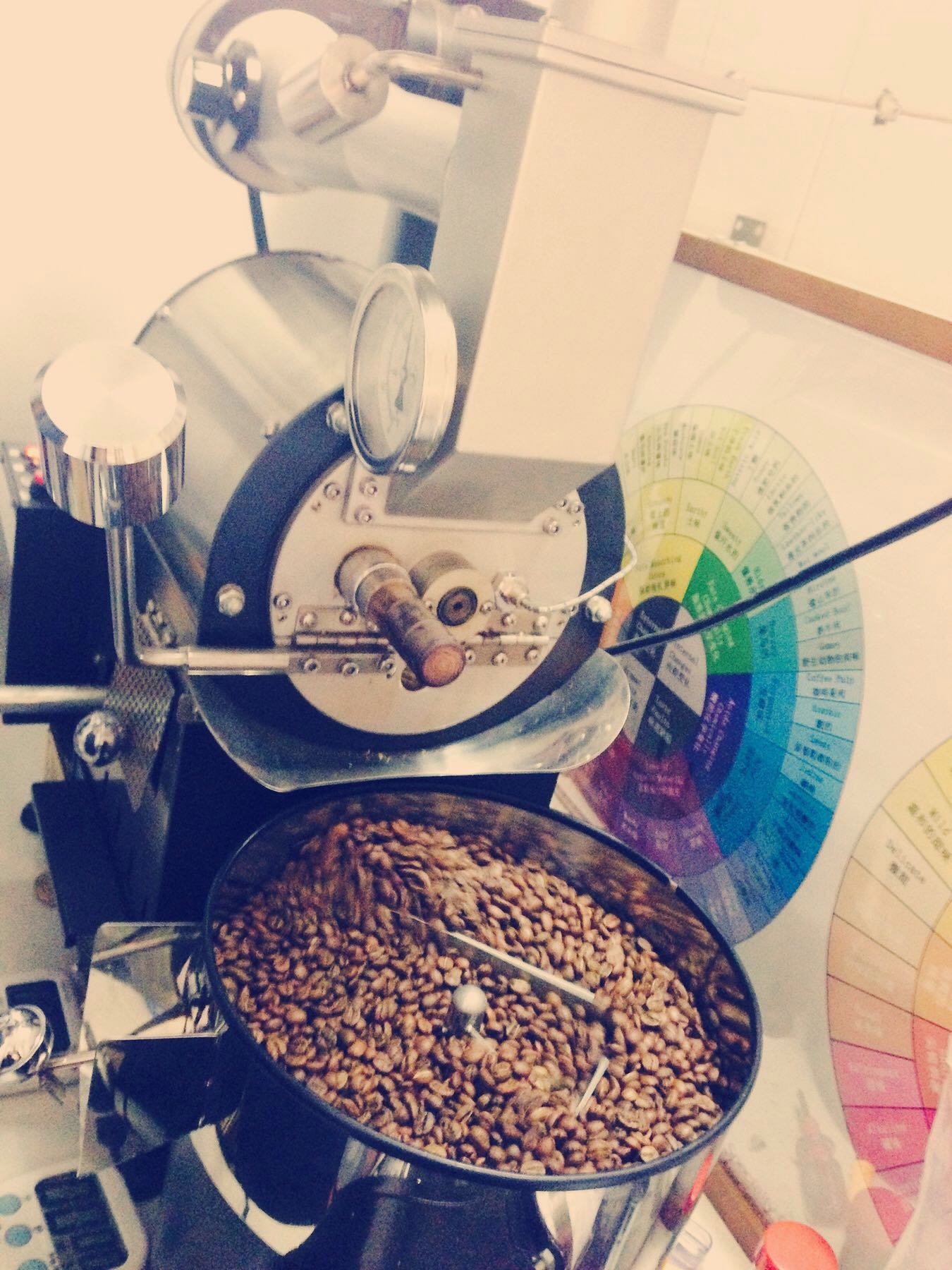
Key points of coffee roasting techniques: basic chemical reactions that take place during coffee roasting
Basic chemical reactions that occur during coffee roasting author: Carl Staub originates from the SCAA baking color classification system, developed by Agtron SCAA 1995 original text from: http://www.sweetmarias.com/roast.carlstaub.html translation: Grant, http://www.baristacn.com/forum/thread-1583-1-1.html in the roasting process
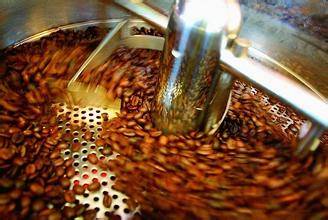
The basic chemical reaction that occurs during coffee roasting. The ingredients produced by the degree of coffee roasting.
Basic chemical reactions that occur during coffee roasting author: Carl Staub originates from the SCAA baking color classification system, developed by Agtron SCAA 1995 original text from: http://www.sweetmarias.com/roast.carlstaub.html translation: Grant, http://www.baristacn.com/forum/thread-1583-1-1.html in the roasting process

The basic chemical reaction of coffee knowledge during coffee roasting.
Many thermal and chemical reactions take place during baking: decarbonation, dehydration of quinic acid, subdivision, isomerization, polymerization, and complex sugar reactions (caramelization). The main components of the thermal reaction are monosaccharides and sucrose, chlorogenic acid, free amino acids, and fenugreek amide. Both aravinose and calactose in the polysaccharides are transferred, and the basic vulcanization process includes hydroxylamine.
Arabica coffee futures rebounded from September lows in New York.
New YORK / London (Reuters)-ICE sugar hit its fourth straight September low on Wednesday amid concerns about ethanol prices amid a stronger dollar and recent sharp falls in oil prices. Arabica coffee futures rose in quiet trading, falling to their lowest level since the end of September on forecasts of rain in the growing areas of Brazil, the largest coffee grower. Cocoa futures fell slightly, following

The basic Chemical reaction of Coffee Baking process
Original: Basic Chemical Reactions Occurring in the Roasting Process by Carl Staub sourced from the SCAA Roast Color Classification System developed by Agtron-SCAA in 1995 Many thermal and chemical reactions occur during the roasting proces
Basic chemical reactions in the roasting process of coffee in both Chinese and English
Original: Basic Chemical Reactions Occurring in the Roasting Process by Carl Staub sourced from the SCAA Roast Color Classification System developed by Agtron-SCAA in 1995 Many thermal and chemical reactions occur during the roasting proces
Explanation of the basic chemical reaction of coffee roasting in both Chinese and English
Original: Basic Chemical Reactions Occurring in the Roasting Process by Carl Staub sourced from the SCAA Roast Color Classification System developed by Agtron-SCAA in 1995 Many thermal and chemical reactions occur during the roasting proces
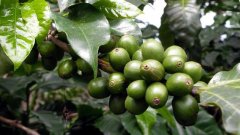
Coffee bean production in China is about to increase
The price of Arabica coffee beans has risen 73 per cent so far this year amid a drought in Brazil, the world's largest grower of Arabica coffee beans, and concerns about production next year amid persistent dry weather. According to the report, China accounts for less than 1% of global coffee production, but the global limited supply of Arabica coffee and its production
Foreign early comment: raw sugar futures fell to a five-and-a-half-month low Arabica coffee futures from rising to falling
ICE raw sugar futures fell to a five-and-a-half month low Tuesday after a sell-off that continued today following a sharp rally sparked by a warehouse fire in Brazil. Arabica coffee futures rose amid volatile trading amid uncertainty about the extent of crop damage from Brazil's drought.
Morning Review: ICE Arabica Coffee Futures fell
New YORK / London (Reuters)-Arabica coffee futures fell on Wednesday, retreating from a two-and-a-half-year high hit this week, with intraday volatility as buyers remained on the sidelines and speculator-led buying sprees subsided. Speculators bought heavily this week amid fears that dry weather in Brazil could hurt production. ICE cocoa futures fell to a low hit in May