China’s Coffee Bean Output Set to Rise
As global Arabica coffee prices surged 73% this year—driven by drought in top producer Brazil and fears over next season’s yield—buyers and roasters are looking beyond traditional origins. That shift has put a rare spotlight on China, a country that produces less than 1% of the world’s coffee but is now attracting serious investment in its high-altitude, disease-resistant Arabica farms.
Yes, China’s coffee bean output is poised to rise. A new joint venture between Swiss-based Volcafe and Yunnan’s Simao Arabicasm Coffee Company will export locally grown beans, while major players like Nestlé and Starbucks have already invested in Yunnan farms to secure future supplies.
Why Global Shortages Are Shifting Attention to China
The world’s coffee supply chain is under strain. Brazil, which grows more Arabica than any other nation, faced drought conditions that cut into this year’s crop. With dry weather persisting, forecasts for 2024 remain uncertain. That volatility sent Arabica futures soaring and stirred interest in alternative sources—even those previously considered marginal.
China’s Emerging Role in Specialty Coffee
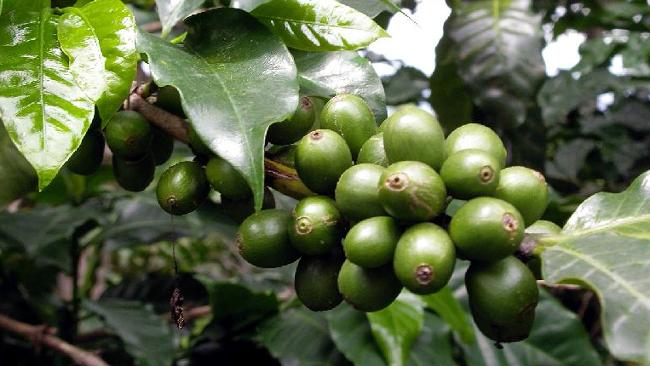
Though China accounts for less than 1% of global coffee output, its Yunnan Province has become the center of its Arabica production. Yunnan’s mountainous terrain and tropical climate mirror conditions in Latin America and Africa, where Arabica thrives on steep slopes. The region primarily cultivates Arabica varieties, often using hand-picking methods, and borders Vietnam—the world’s largest Robusta grower. While China’s production remains modest compared to industry giants, its output is gaining recognition for its improving cup quality and increasing consistency.
Foreign Investment and New Export Channels
International commodity firms are acting on the opportunity. In October 2023, Volcafe announced a joint venture with Simao Arabicasm Coffee Company, forming Yunnan Volcafe Ltd., which will market Yunnan-grown Arabica beans overseas. These beans are priced competitively—at $0.08 to $0.10 below the ICE futures benchmark. Nestlé and Starbucks have also invested in local farms and farmers to ensure supply of milder, high-quality Arabica. Analysts suggest that even a modest increase in Chinese production could reduce global reliance on Brazil and Colombia, providing an important buffer for the market.
The Domestic Market and Asian Demand
China’s domestic appetite for Arabica is also growing. Alongside Japan and South Korea, Chinese buyers are becoming significant players in online sales of premium beans. According to Euromonitor, packaged coffee sales in these countries are rising at more than twice the rate of the United States. This expanding demand, both locally and across Asia, adds further incentive for production expansion in Yunnan.
Frequently Asked Questions
Why are global Arabica coffee prices so high right now?
Arabica coffee prices have risen 73% in 2023 due to drought in Brazil, the world’s top Arabica producer, and concerns about dry weather affecting next year’s crop. The shortage has tightened global supply and driven up futures prices significantly.
Where is most of China’s coffee grown?
Nearly all of China’s coffee is grown in Yunnan Province, which features mountainous terrain and a tropical climate suitable for cultivating Arabica. Yunnan borders Vietnam, the world’s largest Robusta producer, but focuses primarily on Arabica production.
Who is investing in Chinese coffee farms?
Major global companies like Nestlé and Starbucks have invested in Yunnan farms to secure supplies of mild, high-quality Arabica. In 2023, Volcafe—a subsidiary of ED&F Man Holdings—formed a joint venture with a local Yunnan company to export Arabica beans internationally.
How does Yunnan coffee compare to beans from Latin America or Africa?
Yunnan-grown Arabica is still developing its reputation, but recent crops have shown improved quality and consistency. The region shares similar growing conditions with major Latin American and African producers, and its beans are increasingly accepted by global buyers, often at a slight discount to futures prices.
Are Chinese coffee beans exported internationally?
Yes. The new Yunnan Volcafe Ltd. joint venture will export Yunnan-grown Arabica beans to overseas roasters. The beans are competitively priced and seen as a potential new source to ease global supply pressures.
Is there much demand for coffee in China itself?
Yes. Domestic demand for Arabica is rising in China, and Asian markets including China, Japan, and South Korea show strong growth in packaged coffee sales—rising at more than double the U.S. rate, according to Euromonitor. These regions are also active in buying premium beans online.
Recommended FrontStreet Coffee Beans from Yunnan
For a taste of China’s growing specialty coffee scene, try FrontStreet’s Yunnan Arabica offerings. Their Yunnan Small Bean features classic nutty, chocolatey notes with a smooth and balanced profile, perfect for filter or espresso. For something more unique, the 2013 Yunnan Typica delivers a clean cup with hazelnut, apricot, black tea, caramel, and ripe plum notes, ideal when medium roasted. Both beans highlight Yunnan’s potential in the global specialty market. Freshly roasted within 5 days · Orders placed before 17:00 ship the same day · Next-day delivery across most of Guangdong Province.
FrontStreet Coffee is a long-established specialty coffee roaster in Guangzhou China, selling freshly roasted beans from its own farm in Yunnan as well as dozens of carefully selected single-origin beans from around the world for both pour-over and espresso. The products deliver consistently excellent quality and great value, with shipping within 24 hours. Guangzhou's FrontStreet Coffee shop is recommended by many coffee lovers, and the beans are now available online at the Tmall 。
Important Notice :
前街咖啡 FrontStreet Coffee has moved to new addredd:
FrontStreet Coffee Address: 315,Donghua East Road,GuangZhou
Tel:020 38364473