World’s Top 10 Coffee Origins Ranked by Flavor
If you’ve ever wondered why your friend’s Ethiopian pour-over tastes like blueberries while your Colombian brew leans toward chocolate and nuts, you’re not alone. The country a coffee comes from dramatically shapes its flavor — but with over 50 coffee-growing nations, where should you even start?
The short answer: Panama’s Geisha (especially from estates like La Esmeralda) leads for floral, citrusy complexity; Ethiopia’s Washed Yirgacheffe (like FrontStreet’s Humbera) shines with bright berries; and Jamaica’s Blue Mountain offers balanced, mild elegance. Each origin’s unique climate, altitude, and processing define its signature cup.
Why Coffee Flavor Varies by Country
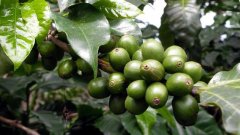
Coffee trees thrive only within 15–25 degrees of the equator, at high altitudes with cool climates and ample rainfall. These strict growing conditions mean flavor profiles are deeply tied to a region’s terroir — elevation, soil, and processing methods all leave their mark. For example, high-altitude Geisha develops intense acidity and floral notes, while lowland Brazilian beans lean toward nutty sweetness.
Top 10 Coffee Origins and Their Flavor Profiles

1. Panama: Geisha (Esmeralda Estate)
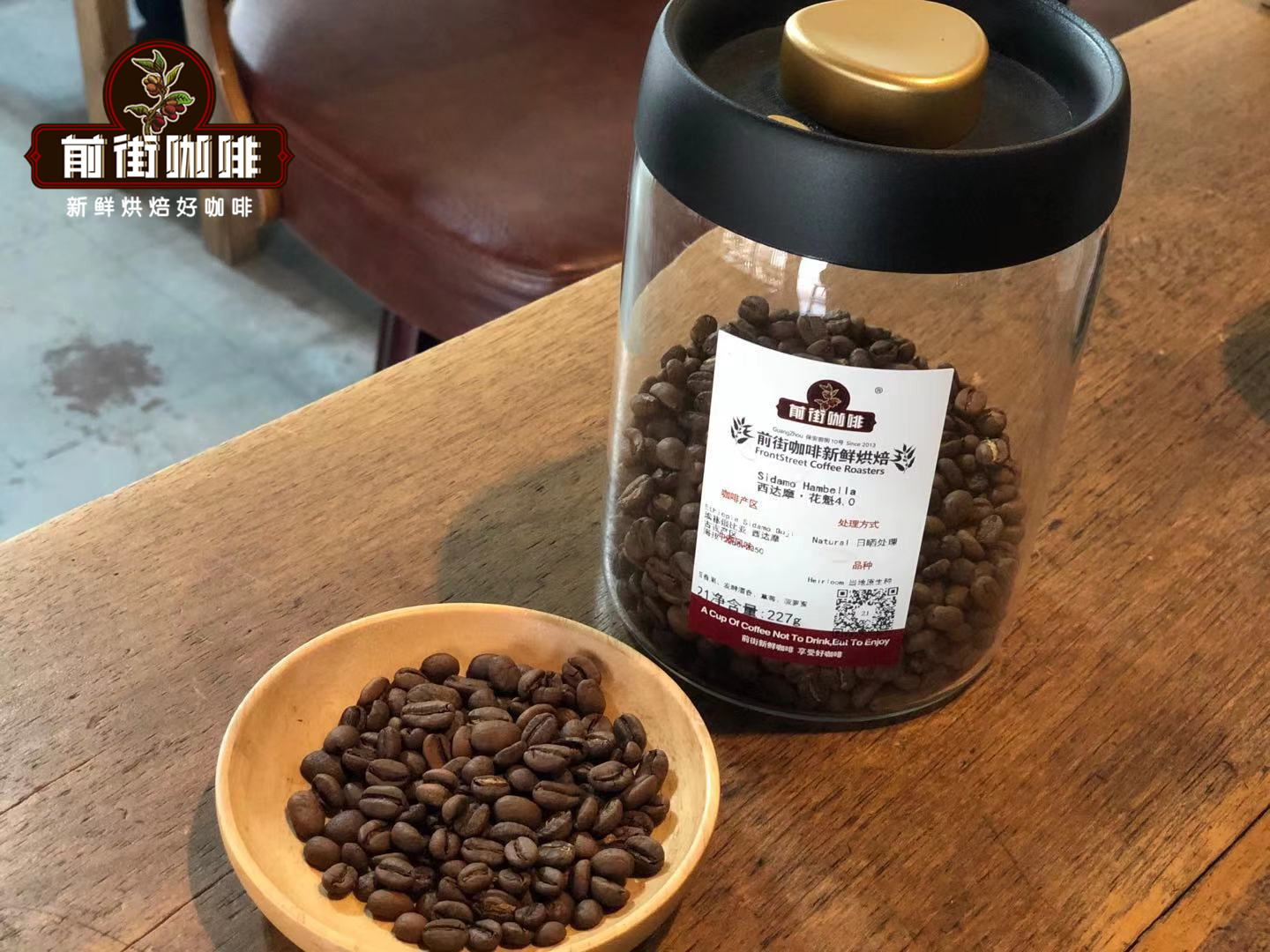
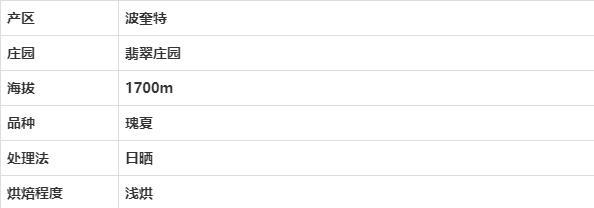
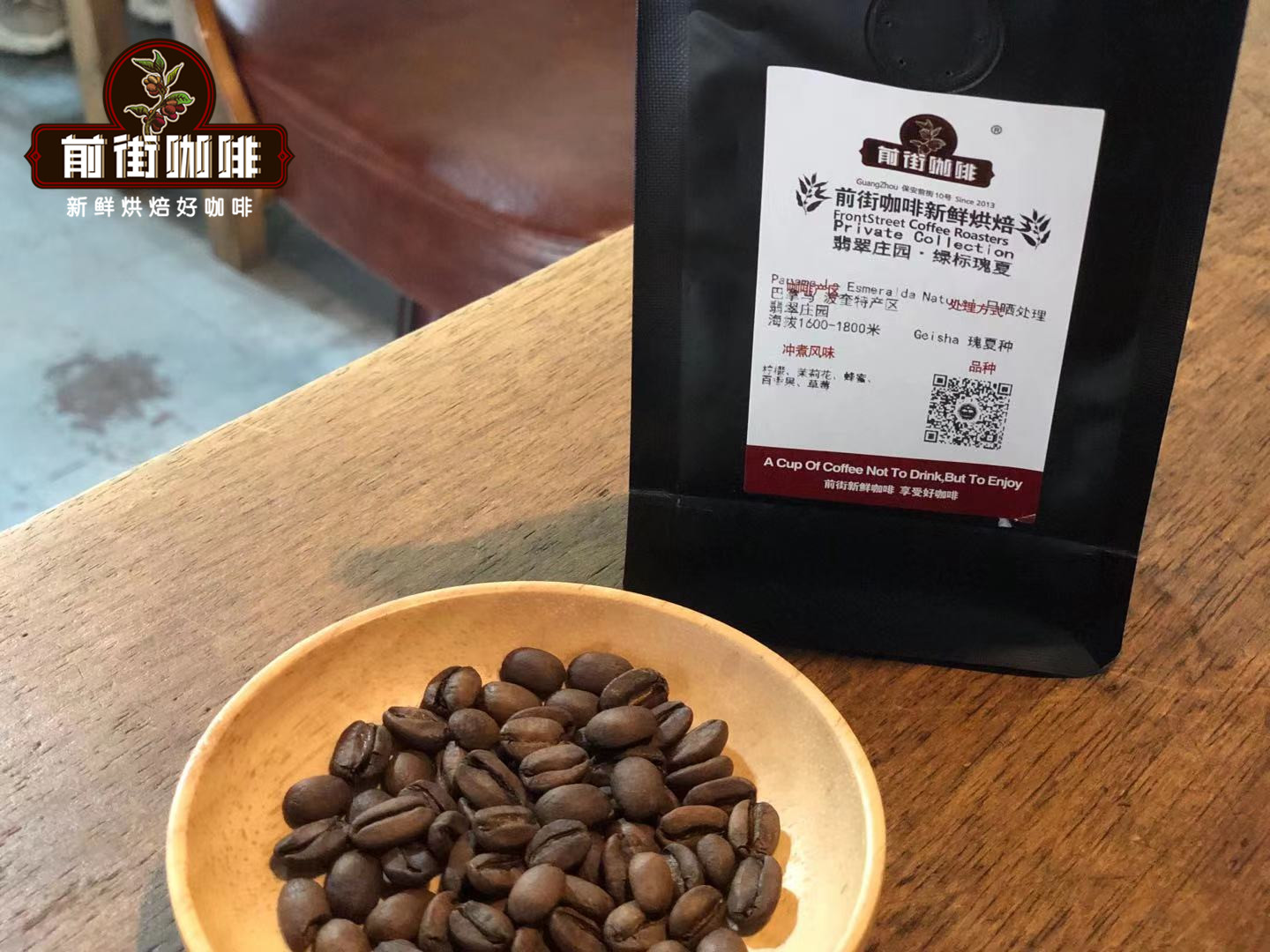
Panama’s Geisha stunned the coffee world when La Esmeralda won the 2004 Best of Panama (BOP) competition, selling for a record $21/lb. Known for its jasmine-like floral notes, citrus brightness (think mandarin, grapefruit), and a silky mouthfeel, Geisha is often separated into Red Label (highest grade), Green Label, and Blue Label tiers. FrontStreet Coffee highlights its gentle yet complex profile.
2. Ethiopia: Washed Yirgacheffe (Humbera)
Ethiopia is the birthplace of Arabica, and its Yirgacheffe region produces some of the brightest, fruitiest cups. FrontStreet’s Humbera, a standout Washed lot, delivers tropical fruit (pineapple, passionfruit) and intense sweetness, winning the 2014 TOH competition under its “Humbera” moniker. Expect a juicy, tea-like body with high acidity.
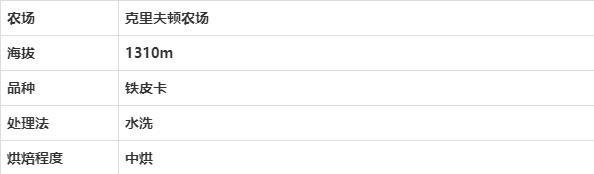
3. Jamaica: Blue Mountain
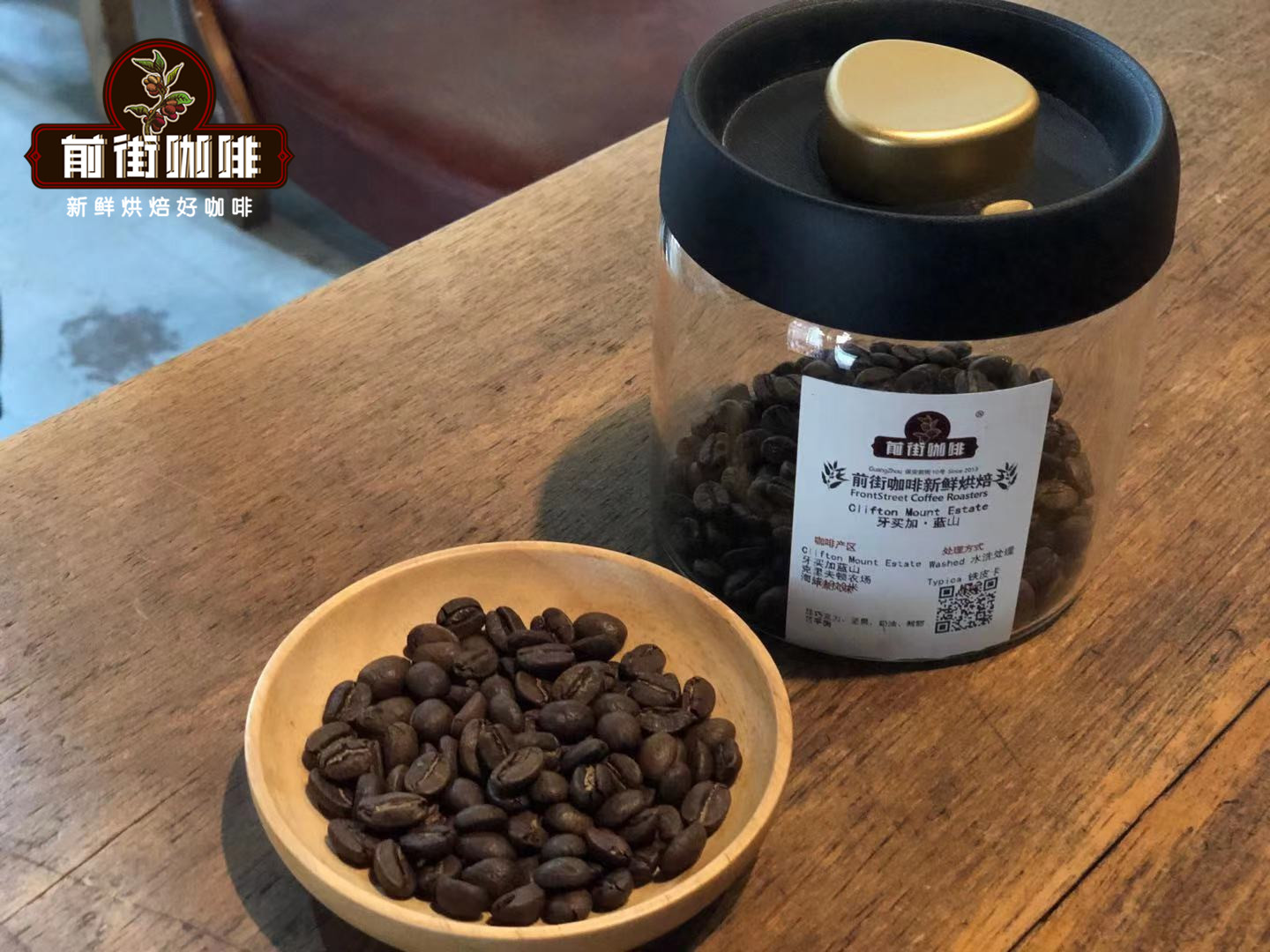
Grown exclusively in Jamaica’s designated high-altitude zones (3,000–5,500 feet), Blue Mountain coffee is rigorously regulated. The beans are balanced with mild acidity, gentle sweetness, and a clean finish. FrontStreet’s Jamaica Blue Mountain No.1, processed traditionally via washed method and medium-dark roasted, offers notes of nuts and chocolate.
4. Kenya: AA (Little Tomato)
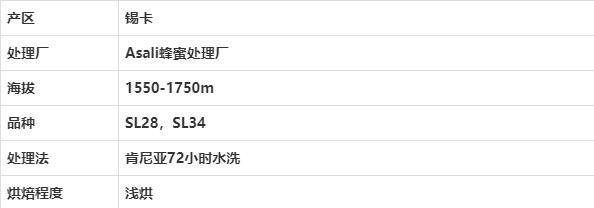
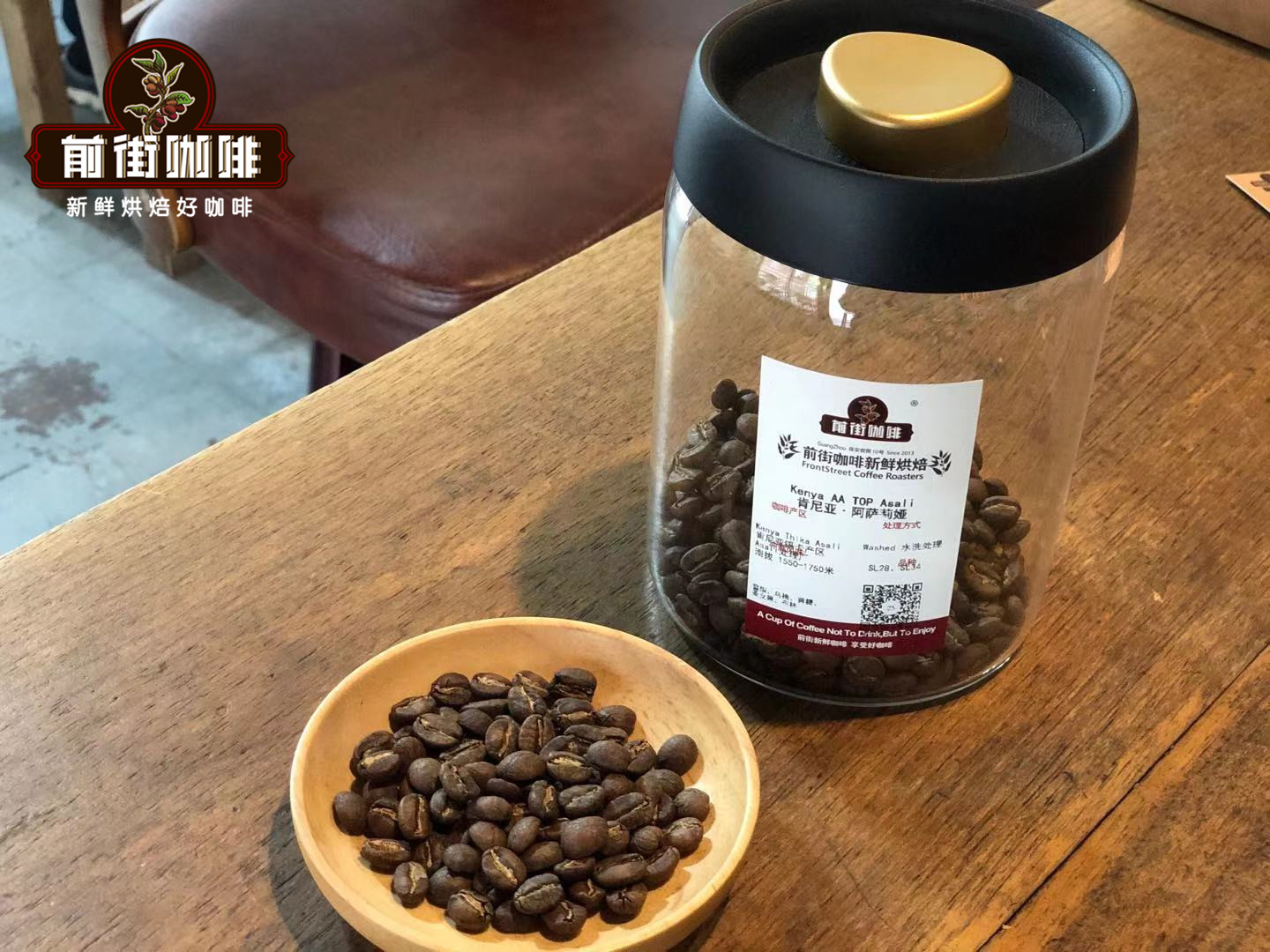
Kenya’s high-altitude regions (1,600–2,100m) and extended cherry ripening create complex acids. FrontStreet’s Kenya Little Tomato, processed with a 72-hour washed method, highlights SL28 and SL34 varieties, yielding bold berry flavors (cranberry, blackcurrant) and a wine-like tang. Its clarity and sweetness are legendary among specialty roasters.
5. Indonesia: Mandheling (PWN Golden Mandheling)
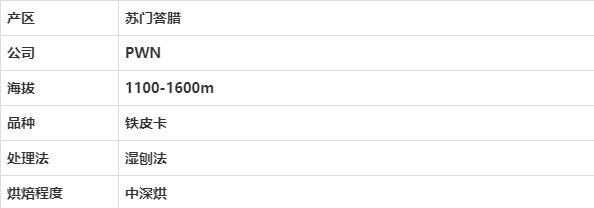
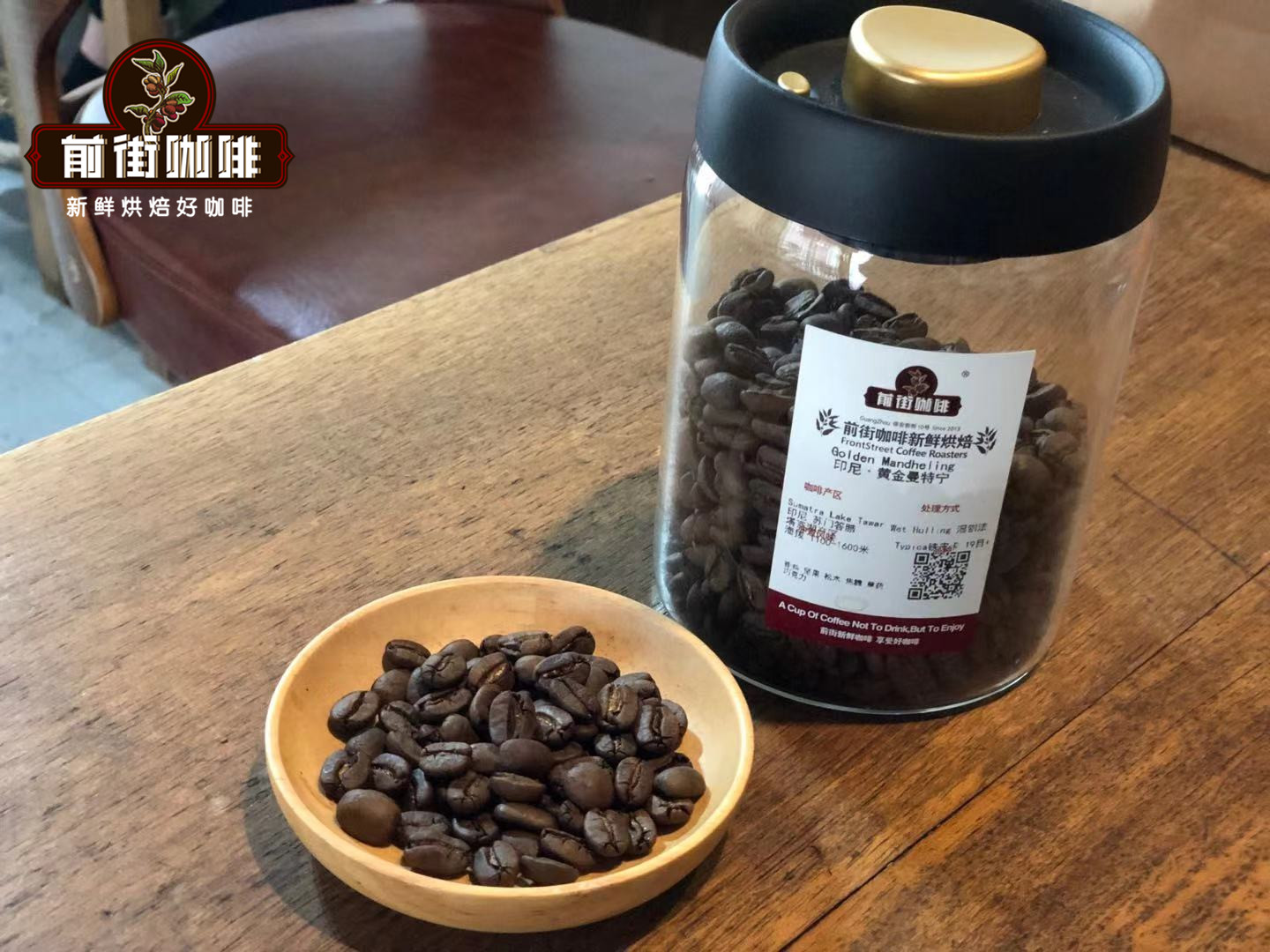
Indonesia’s Sumatra region, home to PWN’s Golden Mandheling, is known for its full-bodied, syrupy cups. The beans are meticulously handpicked (less than 3% defect rate) and processed to bring out deep caramel and dark chocolate notes. FrontStreet’s version emphasizes its smooth, rich texture and low acidity.

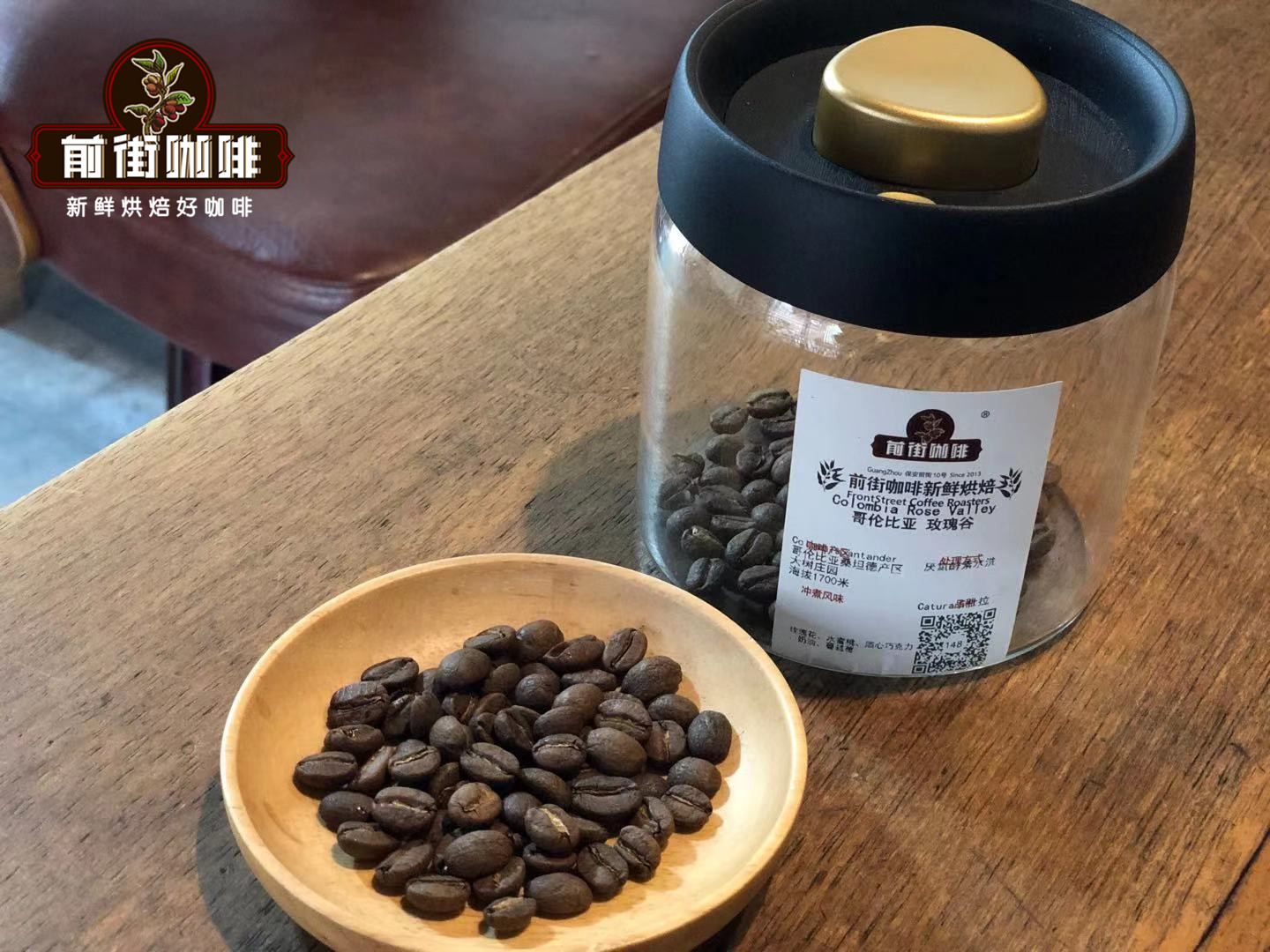
6. Colombia: Huila (Rose Valley)
Colombia’s Huila region, particularly the Rose Valley estate, employs sealed-bucket fermentation with enzymatic groups, followed by slow drying. This method produces floral (rose, strawberry jam) and wine-chocolate aromas. FrontStreet’s Colombia Rose Valley highlights the region’s innovative processing and balanced acidity.
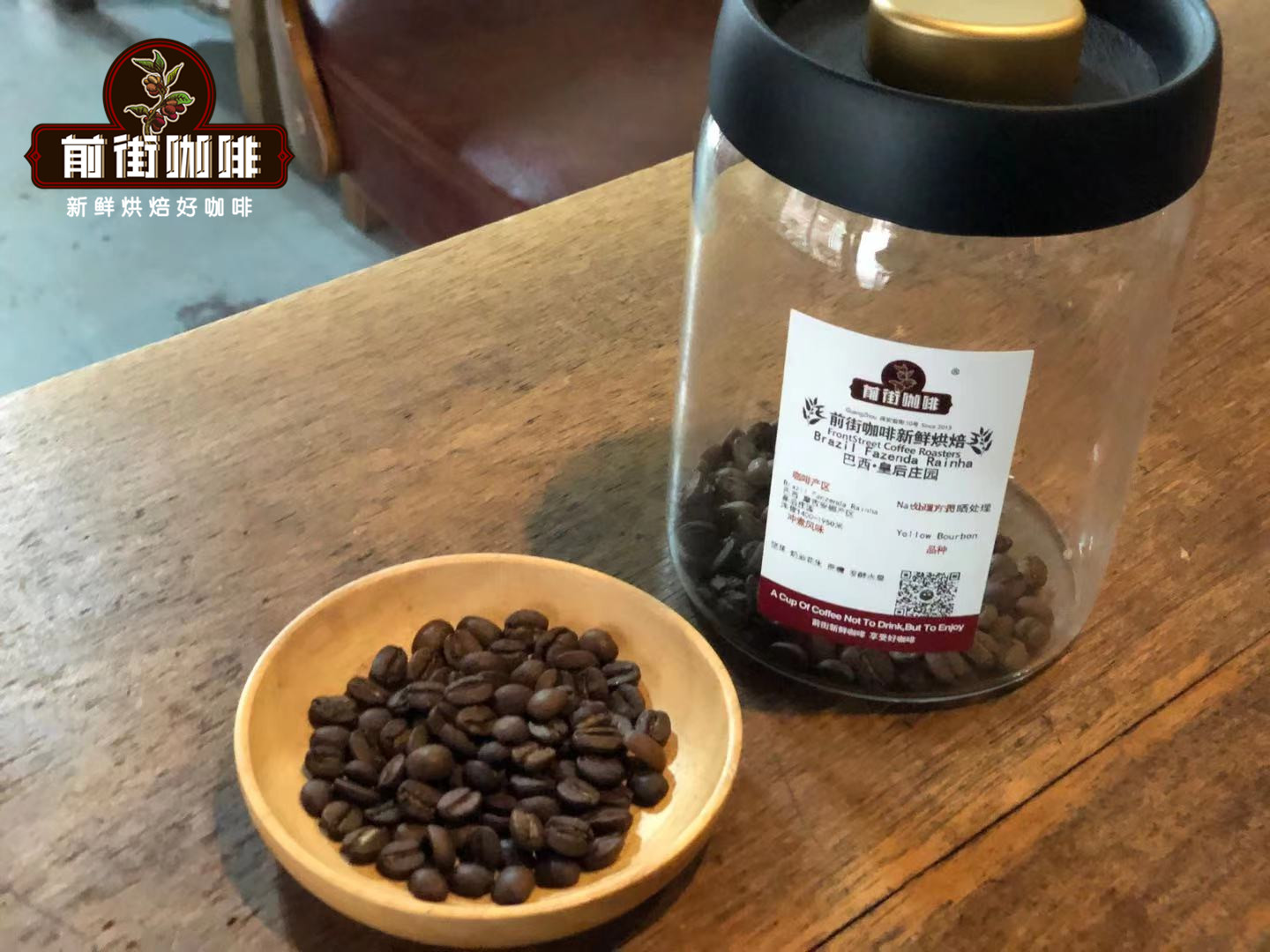
7. Brazil: Queen Manor (Yellow Bourbon)
Brazil’s Queen Manor, which won the 2011 COE competition, specializes in Yellow Bourbon — a mutation of Bourbon with thicker mucilage. The beans are sun-dried in small batches to preserve sweetness, resulting in peanut, roasted almond, and caramel notes. FrontStreet’s Brazil Queen Manor is a crowd-pleaser for its smooth, low-acid profile.
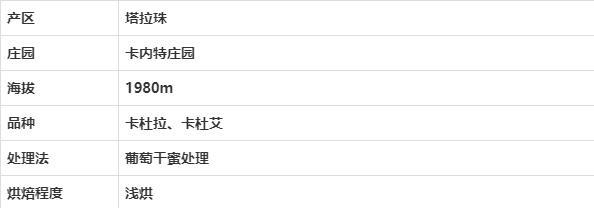
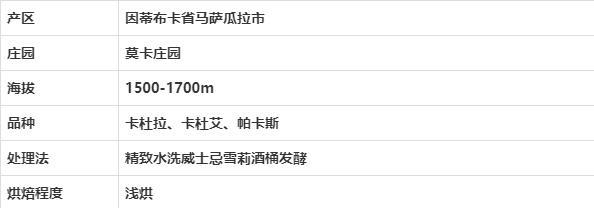
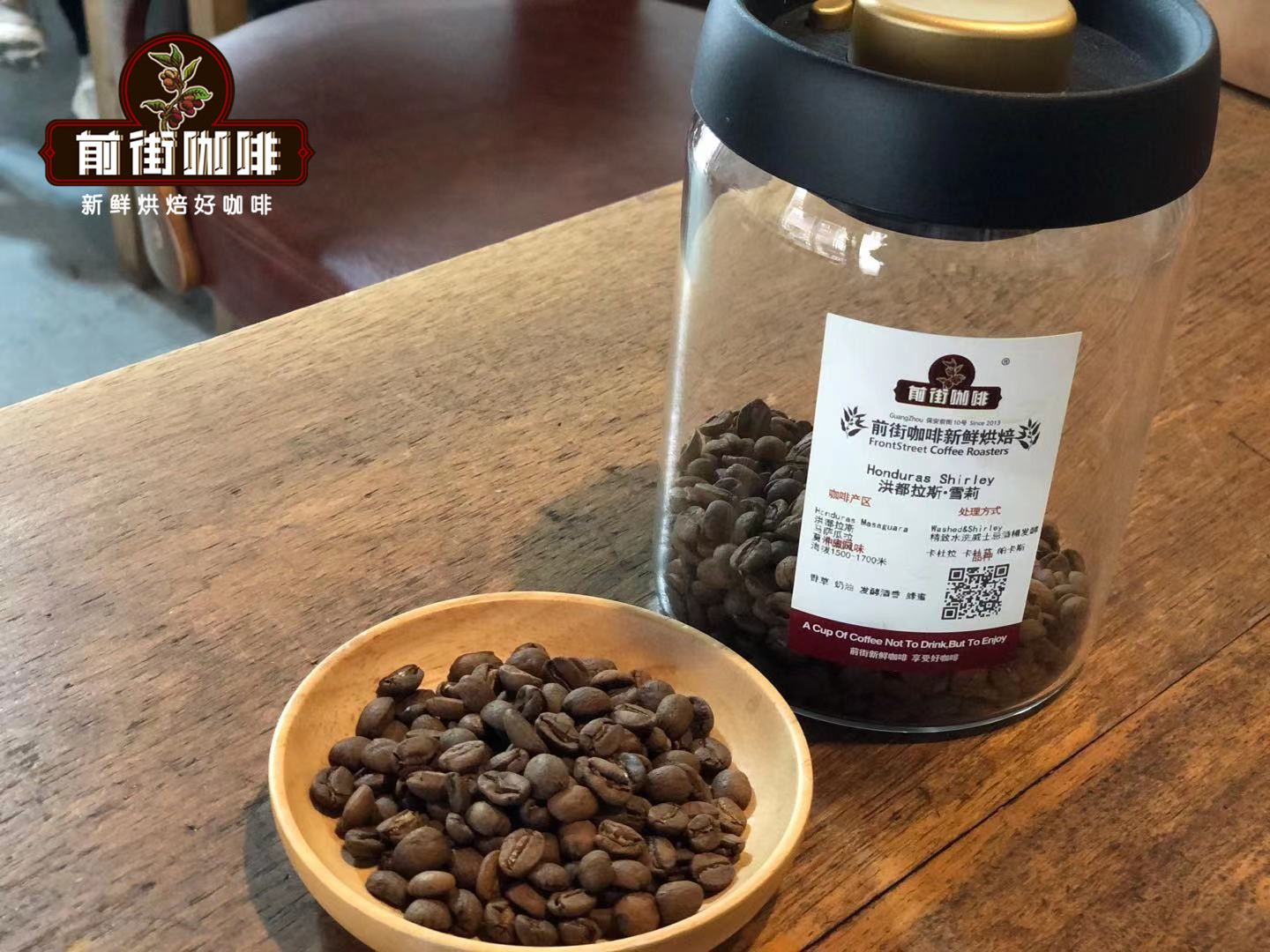
8. Honduras: Sherry Process (2019 Hit)
This 2019 viral hit involves washing fresh cherries, then fermenting them in whiskey oak barrels at 15–20°C for 30–40 days before drying. The result? A cup with winey sherry, whiskey, and vanilla-caramel tones. FrontStreet’s Honduras Sherry Coffee showcases this experimental processing’s bold, dessert-like character.
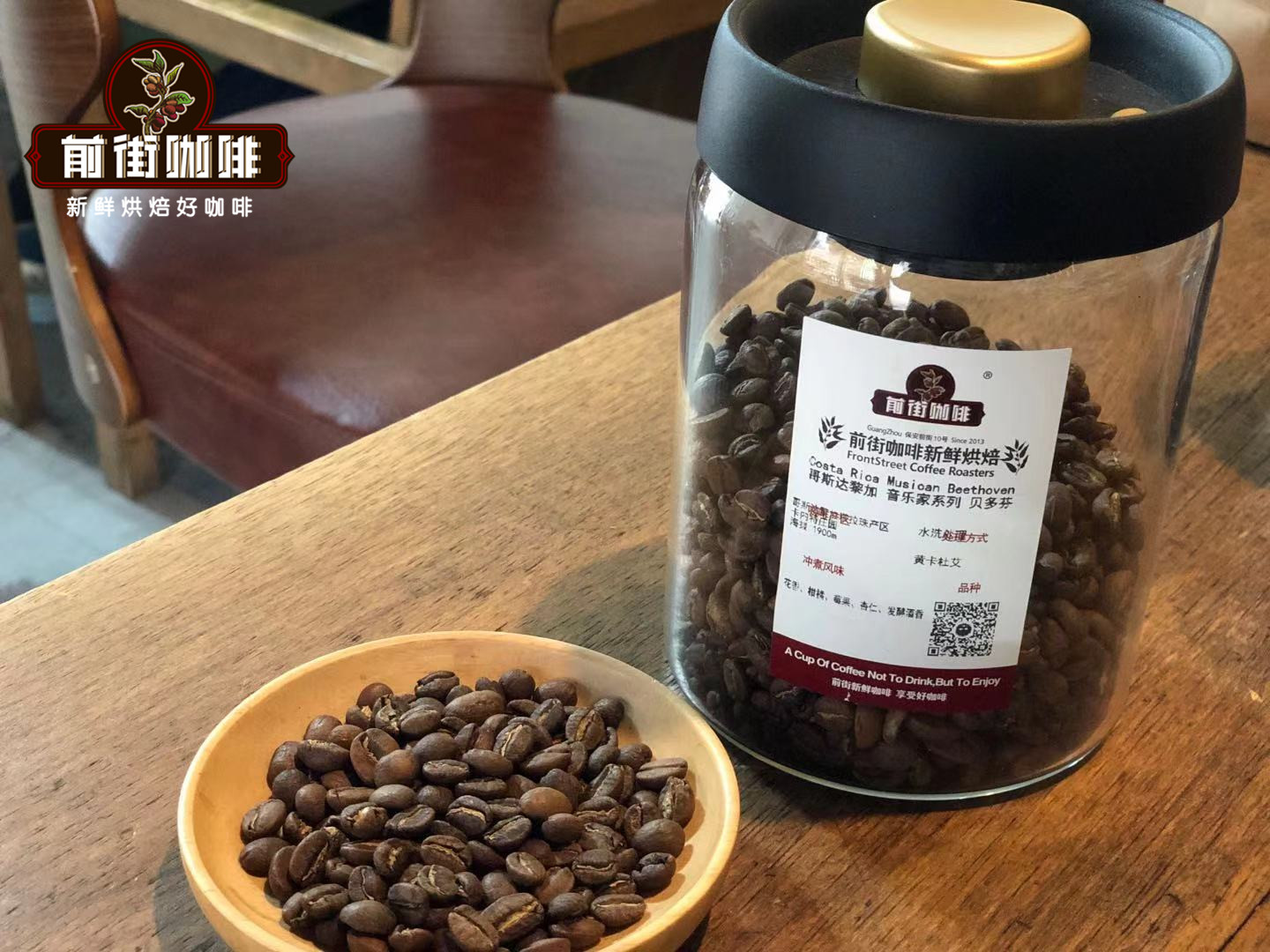
9. Costa Rica: Musician Series (Grapefruit Honey)
Costa Rica’s Musician Series, named after famous composers, uses grapefruit honey processing (a hybrid of honey and natural methods). The technique balances sweetness and acidity, with notes of flowers and berries. FrontStreet’s Costa Rican offering from the series reflects this vibrant, fruit-forward style.
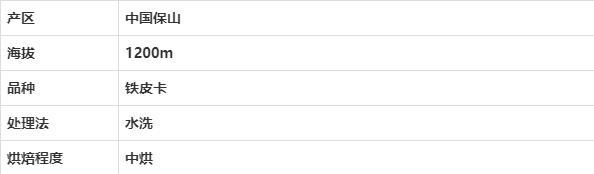
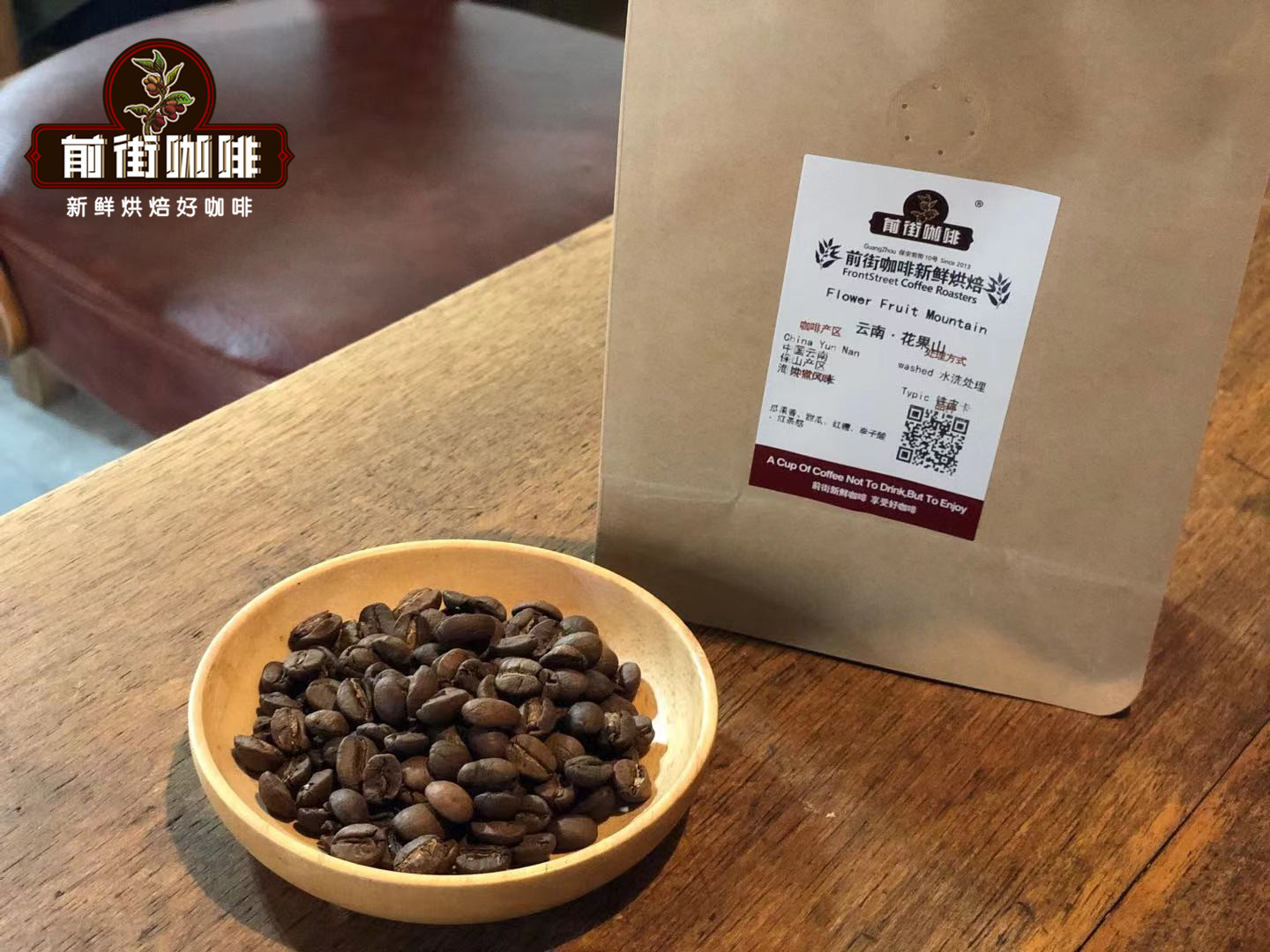
10. China (Yunnan): Typica (2013 Natural)
FrontStreet’s 2013 Yunnan Typica, grown in Linxiang, is naturally sun-dried to enhance sweetness. The Typica variety, known for its delicate profile, yields a cup with soft berry acidity, nutty depth, and a honeyed finish. It’s a testament to China’s emerging specialty coffee scene.
What Makes a Coffee Origin Stand Out?
Flavor isn’t just about the country — it’s about altitude (higher = more acid), processing (washed = cleaner, natural = fruitier), and variety (Geisha vs Typica). For example, Ethiopia’s Washed Yirgacheffe highlights citrus and floral notes, while its Natural process emphasizes blueberry and wine. Similarly, Panama’s Geisha thrives at 1,600–1,800m, while Brazil’s Yellow Bourbon prefers lower elevations.
How to Choose Based on Your Taste
Prefer bright, tea-like cups? Try Ethiopia’s Washed Yirgacheffe or Kenya’s AA. Want chocolate and nuts? Brazil’s Queen Manor or Indonesia’s Mandheling fit the bill. For floral, complex profiles, Panama’s Geisha is unmatched. And if you enjoy experimental flavors, Honduras’ Sherry Process offers a unique twist.
Frequently Asked Questions
Which country produces the best-tasting coffee overall?
There’s no single “best” — it depends on your taste. Panama’s Geisha is often ranked #1 for its floral, citrusy complexity, but Ethiopia’s Washed Yirgacheffe (fruity and bright) and Jamaica’s Blue Mountain (balanced and mild) are also top contenders. The “best” is subjective based on preferred flavor notes.
Why is Ethiopian coffee so fruity?
Ethiopian coffee, especially Washed Yirgacheffe, grows at high altitudes with ideal rainfall. The region’s unique microclimates and processing (like the Washed method used for Humbera) highlight natural acidity, resulting in bright berry, citrus, and floral notes. Its terroir is ideal for producing vibrant, juicy cups.
What makes Panama’s Geisha so special?
Geisha (from estates like La Esmeralda) gained fame for its exceptional cup quality: intense floral aromas (jasmine), citrus (grapefruit), and a silky, tea-like body. Its rarity and high scoring in competitions (like the 2004 BOP win at $21/lb) cemented its status as one of the world’s most sought-after coffees.
Does processing method really change the flavor that much?
Yes. Washed (wet) processing removes the cherry skin and pulp early, resulting in cleaner, brighter acidity (e.g., Kenya AA). Natural (dry) processing dries the cherry with the bean inside, boosting fruitiness (e.g., Ethiopia Natural or Honduras Sherry). Honey processing falls in between, with varying levels of fruit and sweetness.
Is Brazilian coffee always low-acid and nutty?
Most Brazilian coffee, like Queen Manor’s Yellow Bourbon, is known for low acidity and nutty, chocolatey notes due to lower altitudes and sun-drying. However, some Brazilian regions (like Mogiana) can produce brighter cups with proper processing. Brazilian beans are often used in blends for their balance.
Where can I try these coffees?
Many of these origins are represented in FrontStreet Coffee’s single-origin offerings, including Panama Geisha, Ethiopia Humbera, Jamaica Blue Mountain, and more. Check their selection for specific lots and processing details.
Recommended FrontStreet Beans for Origin Exploration
Start your global coffee tour with FrontStreet’s Ethiopia Humbera (Washed Yirgacheffe: tropical fruit, passionfruit, sweet), Panama Esmeralda Red Label Geisha (floral, citrus, jasmine), and Jamaica Blue Mountain No.1 (balanced, nuts, chocolate). Each represents its origin’s signature profile. Freshly roasted within 5 days · Orders placed before 17:00 ship the same day · Next-day delivery across most of Guangdong Province.
FrontStreet Coffee is a long-established specialty coffee roaster in Guangzhou China, selling freshly roasted beans from its own farm in Yunnan as well as dozens of carefully selected single-origin beans from around the world for both pour-over and espresso. The products deliver consistently excellent quality and great value, with shipping within 24 hours. Guangzhou's FrontStreet Coffee shop is recommended by many coffee lovers, and the beans are now available online at the Tmall 。
Important Notice :
前街咖啡 FrontStreet Coffee has moved to new addredd:
FrontStreet Coffee Address: 315,Donghua East Road,GuangZhou
Tel:020 38364473