
"bolivia"
1092 article(s) found

Coffee beans Bolivia in the Americas
In the past, coffee trees in Bolivia used to act as hedges and ornaments around the garden. Real commercial production began in the early 1950s. The great frost of 1957 seriously damaged Brazil's coffee industry, while Bolivia (Bolivia) benefited from it and developed rapidly. Bolivian coffee is grown at an altitude of 180,670 meters above sea level, including Allah.

Fine Coffee study Coffee from Bolivia
In the past, coffee trees in Bolivia used to act as hedges and ornaments around the garden. Real commercial production began in the early 1950s. The great frost of 1957 seriously damaged Brazil's coffee industry, while Bolivia (Bolivia) benefited from it and developed rapidly. Bolivian coffee is grown at an altitude of 180,670 meters above sea level, including Allah.
Bolivia, an estate that specializes in growing coffee
From serving as a garden hedge to coffee grown exclusively on the manor, coffee trees in Bolivia used to be planted around the garden as hedges, decorating flowers and trees. Real commercial production began in the early 1950s. The coffee industry in Brazil was badly damaged by the great frost in 1957, while Bolivia (Bolivia) benefited and developed rapidly. Bolivian coffee in the sea

High-grade vanilla sweet Bolivian coffee manor flavor taste characteristics of boutique coffee beans
Bolivia was rescued from independence by Bolivar, a national hero from Caracas, Venezuela, during the War of Independence in Latin America in the 18th century, so the country was named after him. On August 6, 1825, independence from Spain was declared, named the Bolivarian Republic, and later changed to its present name. It formed a federation with Peru in 1836 and collapsed as a result of the Chilean invasion in 1839. one hundred and eighty six

Bolivian Coffee | planting History of Bolivian Coffee beans _ introduction of Bolivian Coffee Variety producing areas
The history of coffee cultivation in Bolivia is very rare. From the only literature, we can see that a large number of coffee beans were produced in Bolivia in 1980. Bolivia's coffee growing environment is very excellent. Bolivia is a landlocked country. It has a high altitude and the climate is divided into dry and wet seasons.

Classification, price, raw beans and roasting degree of iron-washed Bica coffee beans in Lake Titicaca, Bolivia
For the exchange of professional baristas, please pay attention to the coffee workshop (Wechat official account cafe_style) Bolivian coffee is rich and unique, both the aroma of ground beans and the aroma of the coffee are obviously rich, similar to the mixture of flower and fruit aromas, impressive. The acidity is medium and low, but the feeling is not monotonous, but calm and generous, soft and clear.

A brief introduction to the History and Culture of the Origin and Development of Fine Coffee beans in Xuemai Manor
Bolivia has made a lot of efforts to improve the quality of coffee, stimulate the enthusiasm of coffee farmers and make coffee farmers have a deeper understanding of fine coffee. After the introduction of the COE competition, in the first COE competition held in 2004, there were 13 boutique bean cups with a total score of more than 84 points, and the champion bean score was as high as 90.44 points.
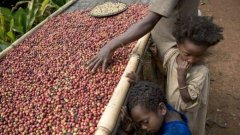
Lake Titicaca in Bolivia: water washing, iron washing, Pica boutique coffee beans, origin, development, history and culture
The advantage of Bolivian coffee lies in its high altitude and excellent varieties of coffee, where the traditional Tibica and a small amount of Kaddura are highly valued in the world market. In the past, coffee trees in Bolivia used to act as hedges and ornaments around the garden. Real commercial production began in the early 1950s. The great frost in 1957 seriously damaged Pakistan.

A brief introduction to the description of the flavor and aroma characteristics of coffee beans in Xuemai Manor with fruit aroma.
Bolivia has made a lot of efforts to improve the quality of coffee, stimulate the enthusiasm of coffee farmers and make coffee farmers have a deeper understanding of fine coffee. After the introduction of the COE competition, in the first COE competition held in 2004, there were 13 boutique bean cups with a total score of more than 84 points, and the champion bean score was as high as 90.44 points.

A brief introduction to the origin, development, history and culture of high-grade vanilla sweet Bolivian boutique coffee beans
In the past, most of the coffee in Bolivia was of mediocre quality, but in recent years, the production of boutique coffee has developed rapidly, and there have been a lot of pretty good beans. In recent years, the COE (Cup ofexcellence) system, which was first implemented in Brazil, has become more and more popular. Bolivia has also introduced this system, which can stimulate the enthusiasm of coffee farmers on the one hand and improve it on the other.

Bolivian Yonggas Koraca Association small Farmer Coffee beans _ Bolivian Sun Project Coffee
Professional coffee knowledge exchange more coffee bean information please follow Coffee Workshop (Wechat official account cafe_style) Bolivian Coffee-tomorrow Sun Project Yungas South Yonggas Illupana District Koraca Association small Farmers 1650-1950m Bolivia Sol de Manana Sud Yongas Irupana Coraca 1650-1950m Flavor: dry aroma mixed with orange and plum aroma

A brief introduction to the processing method of grinding degree and roasting degree of full-flavored snow vein manor fine coffee beans
Bolivia is not a big coffee producer, but the excellent altitude and climatic conditions of the La Paz Mountains make the coffee produced here excellent. Bolivian fine coffee is delicate, bright, sweet and aromatic, and is a typical coffee that makes people feel clean and relaxed. The coffee here has subtle fruity aromas such as pear, apple, apricot, orange and lemon. Taste malt and chocolate to

Aroma rich and unique Bolivian coffee grind characteristics Taste flavor description Variety introduction
In 1863, a rich deposit of saltpeter was discovered in Atacama province on the Pacific coast. In 1879 Chile sent troops to occupy Kuangqu, Bolivia and Peru united, and Chile fought the Pacific War. Bolivia lost its defeat in 1883, ceded the Pacific coast rich in saltpeter to Chile in 1904, and Bolivia lost its only coastal province, including the important port of Antofagasta, from

Cup test in coffee producing area of Bolivia
Following Cafe Review (official Wechat account vdailycom) found that Beautiful Cafe opened a small shop of its own country: Bolivia, Bolivia producing area: Yungas of La Paz Administrative Town: Yanacahi Award winning Manor: Agrotakesi SA Manor owner: Mauricio Ramiro Diez de Medina Rank: No.1 (2009 CoE Champion) Farm area: 2500

Introduction of high-quality coffee trees in Bolivia with slow growth and sufficient compactness.
Bolivia's high-quality estates, very high altitude, perennial low temperature environment, so that coffee fruit growth is slow, tight enough, aroma is also charming, floral aroma is obvious, such as careful handling, cherries with the same maturity, often have a clean and meticulous high-end taste, this elegant vanilla and honey aromas are very attractive, this champion bean has a variety of floral aromas, vanilla and sweet very long-lasting. To

Description of Bolivian Coffee Flavor with supple Fruit Acid Variety characteristics of Fine Coffee beans
South America is rich in coffee beans, and Bolivia is no exception. The unique tropical rain forest environment in some parts of Bolivia provides excellent natural conditions for the growth of organic coffee. The aroma of Bolivian coffee is rich and unique, both the aroma of ground beans and the aroma of coffee are obviously rich, similar to the mixture of flower and fruit aroma, which is impressive.

A brief introduction to the treatment method of grinding degree and baking degree of fine coffee beans in rich and balanced Xuemai Manor
Bolivia is not a big coffee producer, but the excellent altitude and climatic conditions of the La Paz Mountains make the coffee produced here is of excellent quality. Bolivian boutique coffee is delicate, bright, sweet and fragrant. It is a typical coffee that makes people feel clean and relaxed. The coffee here has subtle fruity aromas such as pears, apples, apricots, oranges and lemons. Malt and chocolate on the palate
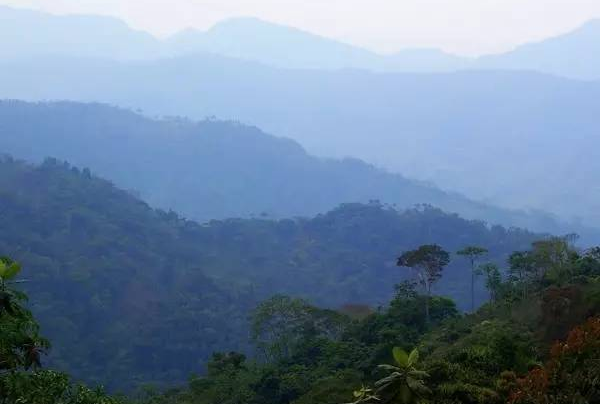
Description of taste and flavor of coffee beans for solitary travelers in Dark Arts, Bolivia
Follow the caf é (Wechat official account vdailycom) found that the Beautiful Cafe opened its own small shop in Bolivia Suapi comes from the La Paz producing area. Outside the city of Caranavi, coffee cherries are processed on a small farm, peeled and peeled mechanically, fermented in a small fermentation tank overnight, and then washed after fermentation.

The coffee producing area of the snow vein manor in Bolivia introduces the elevation of the coffee beans in the snow vein manor.
Professional barista exchanges please follow the coffee workshop (Wechat official account cafe_style) Bolivia snow vein manor coffee production area snow vein manor coffee beans elevation how much Takesi snow vein manor here the average temperature is only 15 degrees C, the water comes from alpine melting snow water, no pollution, and there is rich volcanic soil, more than 2000 meters above sea level, the grown coffee is full of various aromas and

Introduction to boutique coffee with full aroma and taste characteristics of Bolivian snow vein manor
It formed a federation with Peru in 1836 and collapsed as a result of the Chilean invasion in 1839. In 1863, rich saltpetre deposits were discovered in Atacama province along the Pacific coast. In 1879, Chile sent troops to occupy the mining area, and Bolivia joined forces with Peru to wage the Pacific War with Chile. Bolivia was defeated in 1883 and ceded the saltpeter-rich Pacific coast to Chile, Bolivia in 1904.