
"bolivian"
877 article(s) found

Bolivian Coffee Bean feature Story introduction tomorrow Sun Project single Coffee Bean recommendation
Professional coffee knowledge exchange more coffee bean information please follow the coffee workshop (Wechat official account cafe_style) Bolivia tomorrow Sun Plan Neri small Farmer batch of Fine Coffee Raw beans Bolivia Sol de Manana Caranavi Colonia Taypiplaya Neri 1600-1850m CaturraCatuai Bolivia tomorrow Sun

The main coffee producing areas in Bolivia introduce Bolivian coffee estates and Bolivian coffee beans.
Takesi Manor, drinking water and coffee after harvest treatment, using alpine melting cold snow landscape, so we give her a nickname: Takesi Snow vein Manor; in addition to low temperature, pollution-free environment, fertile and well-drained volcanic soil, is also an element of coffee flavor, although the owner of Agrotakesi SA is rich, but deep respect for nature and the way to get along, but

Bolivian Coffee Bean Flavor Bolivia Coffee Manor South America is rich in coffee beans, Bolivia
South America is rich in coffee beans, and Bolivia is no exception. The unique tropical rain forest environment in some parts of Bolivia provides excellent natural conditions for the growth of organic coffee. The aroma of Bolivian coffee is rich and unique, both the aroma of ground beans and the aroma of coffee are obviously rich, similar to the mixture of flower and fruit aroma, which is impressive.

Bolivian Coffee Bean Flavor Bolivia Coffee Manor South America is rich in coffee beans, Bolivia
South America is rich in coffee beans, and Bolivia is no exception. The unique tropical rain forest environment in some parts of Bolivia provides excellent natural conditions for the growth of organic coffee. The aroma of Bolivian coffee is rich and unique, both the aroma of ground beans and the aroma of coffee are obviously rich, similar to the mixture of flower and fruit aroma, which is impressive.

Bolivian coffee grinding method Variety characteristics Production area of fine coffee beans Introduction
Presidential elections were held on 18 December 2005. Evo Morales, leader of the Aymara Indian Movement for Socialism in Bolivia, won the election with 53.75% of the vote and took office on January 22, 2006. He became the first Native American president of Bolivia and the first leftist president of Bolivia. It began with progressive communal socialism (Indian socialism).

The advantage of Bolivian coffee lies in its high altitude and excellent coffee varieties.
The advantage of Bolivian coffee lies in its high altitude and excellent varieties of coffee, where the traditional Tibica and a small amount of Kaddura are highly valued in the world market. Bolivia is not a big coffee producer, but the excellent altitude and climatic conditions of the La Paz Mountains make the coffee produced here is of excellent quality. Bolivian boutique coffee is delicate, bright and sweet.

Bolivian fine coffee beans with rich sour taste
Bolivia not only has a unique growing environment, but also has an excellent coffee variety Typica. For 200 years, the coffee varieties in Yangas have been dominated by the ancient Tibica. The Tibica variety has a balanced and soft flavor, with lively aromas and rich acidity. Unfortunately, Tibica's yield is low and its disease resistance is poor, making Bolivia's

Taste and Flavor characteristics of Bolivian Coffee introduction to Bolivian Coffee
Bolivia's high-quality estates, very high altitude, perennial low temperature environment, so that coffee fruit growth is slow, tight enough, aroma is also charming, floral aroma is obvious, such as careful handling, cherries with the same maturity, often have a clean and meticulous high-end taste, this elegant vanilla and honey aromas are very attractive, this champion bean has a variety of floral aromas, vanilla and sweet very long-lasting. To

Introduction to the producing area of Bolivian Coffee Flavor description Price Manor
The advantage of Bolivian coffee lies in its high altitude and excellent varieties of coffee, where the traditional Tibica and a small amount of Kaddura are highly valued in the world market. Bolivia is not a big coffee producer, but the excellent altitude and climatic conditions of the La Paz Mountains make the coffee produced here is of excellent quality. Bolivian boutique coffee is delicate, bright and sweet.

Bolivian Coffee Bean Farm Features Bolivian Coffee Producing Area Introduction Snow Vein Farm
Takesi Manor, drinking water and coffee after harvest treatment method, using the cold snow mountain water melted by the mountains, so we give her a nickname: Takesi Snow Vein Manor; In addition to low temperature, pollution-free environment, fertile and well-drained volcanic soil, but also the coffee flavor is full of elements, Agrotakesi SA group owner although rich, but deep respect for nature and peaceful way, but

Malt Sweet Bolivian Coffee Grinding scale Variety Flavor description Taste Manor introduction
Traditional Typica species are mostly grown on high mountains with rich volcanic soil more than 2000 meters above sea level. The source of water for coffee treatment also comes from melted snow water in the mountains, which is completely pollution-free. Because of its high altitude and low temperature all the year round, the Typica species here is not as big as that of neighboring countries, but it has more diverse fragrances and fuller sweetness. Clean malt sweet, orange, red jujube, and lemon peel

Introduction to the original planting environment of Bolivian boutique coffee beans Xuemai Manor coffee flavor and taste
Bolivia boutique coffee beans legal capital, the seat of the Supreme Court, population 284000, 2790 meters above sea level. Founded in 1538, the city was formerly known as Chuquisaka. The city witnessed the first uprising in South America against Spanish rule in 1809. Bolivia declared its independence here in 1825, became its capital in 1826, and commemorated Antonio Jos é suk, the second president of Bolivia, in 1839.

Aroma rich and unique Bolivian coffee varieties Flavor taste Manor introduction
Early Bolivian coffee was of poor quality and poorly marketed. The coffee cherries are usually picked and then simply peeled and sent all the way to the processing plant. Due to inadequate infrastructure, transportation is underdeveloped. Coffee farmers have to overcome rugged mountain roads to transport beans to higher altitudes in La Paz for washing. If coffee is not delivered in time,

Bolivian Coffee Introduction Bolivian Coffee Plantation Features Snow Veins Plantation
GDP in 1991 was US $5,007 million. The name of the currency is Boliviano, and the exchange rate at the end of 1992 was 4.09 Boliviano to the United States dollar. Bolivia mainly exports lead, tin, zinc, gold, silver and other minerals and natural gas, soybeans, wood, sugar, leather, coffee and livestock. Main imported raw materials and intermediate products, industrial equipment, consumer goods and transportation equipment.

Characteristics of Bolivian boutique coffee beans Santa Cruz Manor Java Coffee
Bolivian coffee when it comes to Bolivian boutique coffee, it is necessary to mention the Caranavi producing area of Yungas, as well as the soul Pedro Roderiguez. Pedro has been growing coffee in Bolivia for 30 years, and it can be said that it has witnessed the precarious prosperity of Bolivian coffee cultivation / export, while still guarding the original intention. To
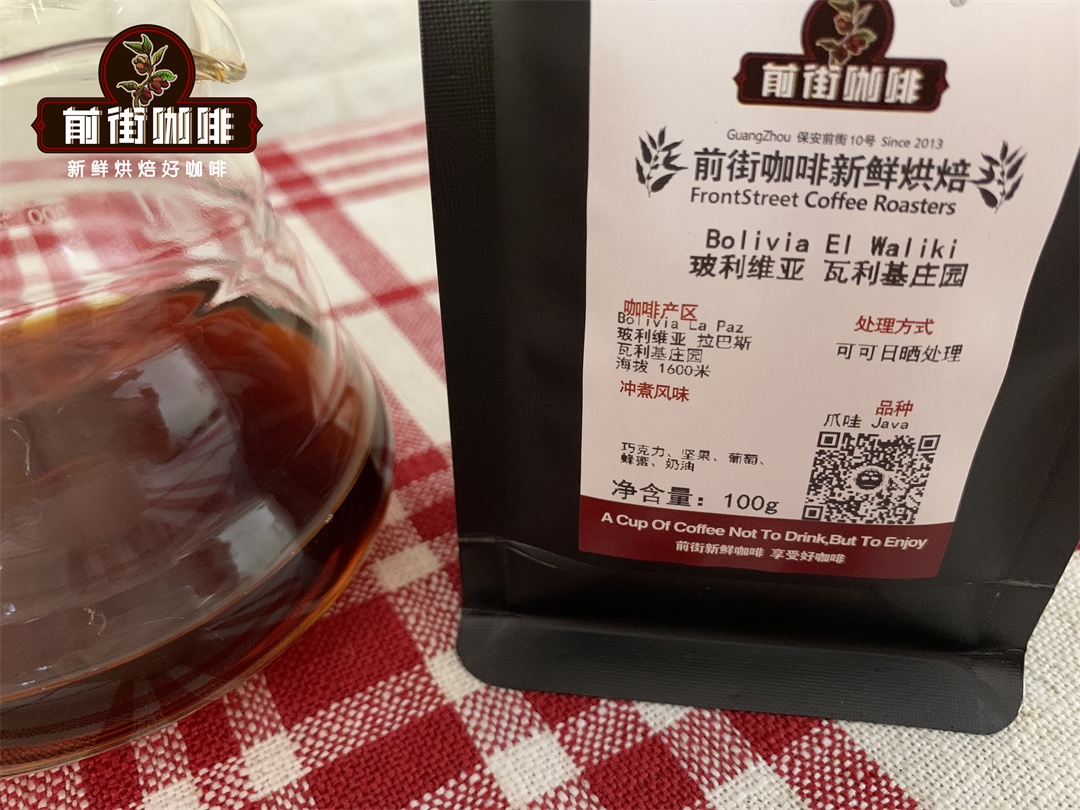
The third new wave of Bolivian coffee boutique coffee flavor story
MauricioRamiroDiezdeMedina won the last Excellence Cup in Bolivia in 2009. From the financial industry, he fell in love with coffee at the turn of the century and made a great contribution to the development of boutique coffee in Bolivia. In 2012 he opened the bake.

An introduction to the flavor of Bolivian coffee beans in South America
Following caf é (Wechat official account vdailycom) found that Beautiful Caf é opened a small shop rich in coffee beans in South America, and Bolivia is no exception. The unique rainforest environment in some parts of Bolivia provides excellent natural conditions for the growth of organic coffee. The aroma of Bolivian coffee is rich and unique, whether it is the aroma of ground beans or made.

Bolivian Coffee Snow Veins Manor Flavor Introduction Bolivian Coffee Features
Bolivia's high-quality estate, altitude is very high, the environment of low temperature all the year round, so that coffee fruit growth is slow, close enough, aroma is charming, floral flavor is obvious, such as careful processing, picking the same maturity of cherries, often have a clean and delicate senior taste, this elegant vanilla and peach flavor is very attractive, this champion bean flower aroma is very diverse, vanilla and honey sweet feeling is very lasting. to

Introduction to the characteristics of coffee bean flavor description price variety producing area in Bolivia and Cameroon
Bolivian boutique coffee Arabica coffee cannot be grown in cold places above 2000 meters above sea level. if the altitude is too high, coffee trees will frost because of low temperatures. So Bolivian coffee is mainly grown in the Yungas region northeast of La Paz. It borders the Amazon basin and is about 1500-2500 meters above sea level with an average annual temperature of about 10-15 ℃. Because of

Introduction to the characteristics of Bolivian Coffee Flavor Manor with medium and low acidity
Arabica coffee cannot be grown in cold places above 2000 meters above sea level. if the altitude is too high, coffee trees will frost because the temperature is too low. So Bolivian coffee is mainly grown in the Yungas region northeast of La Paz. It borders the Amazon basin and is about 1500-2500 meters above sea level with an average annual temperature of about 10-15 ℃. Therefore, it ensures the growth of coffee.