
"brown"
13263 article(s) found
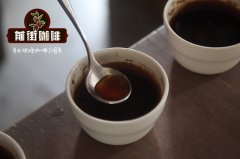
Analysis on the color change of raw coffee beans during roasting one of the reasons for the formation of coffee bitterness
Professional coffee knowledge exchange more coffee bean information please follow the coffee workshop (Wechat official account cafe_style) We all know that the color of raw coffee beans is light green, dark green, dark green, surface yellowing, the color of raw coffee beans is also different, but the color of roasted beans all turn brown, why is that? It comes from oligosaccharides and ammonia.

Moderate roasting of coffee beans
Chinese accompany, also known as urban baking or American baking, is more mellow. There are the following, Full City, American American, Medium medium, High depth, Breakfast Breakfast Regular regular Brown Brown. When baked for 11 minutes, the coffee beans show an elegant brown color. New Yorkers like to accompany coffee beans at breakfast, with Shannon's milk and
Do not open a coffee shop with the same positioning.
Coffee shop positioning must not be similar to the budget brown impression of opening shop rework, so that the two owners particularly lamented the haste of the initial preparations. In addition to the capital budget, it also needs to consider the positioning and the preliminary work of market inspection, in addition, decoration, production and

Caramelization (caramelization, oxidation and browning of sugars) during coffee roasting
Professional coffee knowledge exchange more coffee bean information please follow the coffee workshop (Wechat official account cafe_style) Qianjie coffee to share the caramelization reaction (caramelization, sugar oxidation and browning) and Mena reaction during coffee roasting. Most of the time we always say that coffee smells good, so where does the aroma of coffee come from? In fact, coffee beans themselves are rich in all kinds of

Coffee common sense effect of roasting coffee beans on brown coffee powder
Roasting causes physical and chemical changes in coffee beans and ingredients, which determine the color and ignorance of brown coffee powder. During roasting, raw beans contain sucrose and white sugar are melted into caramel. It mainly affects the color of roasted coffee; the glycan contained in coffee beans is partially degraded to produce sugar aldehyde during roasting, which makes roasted coffee have a special grain flavor. In the process of roasting, the shape of acids
Three options for adding sugar to coffee
Sugar can be divided into white sugar, brown sugar and yellow sugar according to color. The difference in color is due to the different degree of removal of impurities in the sugar-making process. White sugar is refined sugar, the purity is generally more than 99%; yellow sugar contains a small amount of minerals and organic matter, so it has color; brown sugar is unrefined crude sugar, the color is very dark.
A detailed explanation of the eight stages of Coffee roasting
The eight stages of roasting: the roasting method of professional coffee is usually divided into the following eight stages. 1. Very shallow baking (LIGHT Roast): the degree of baking; very shallow baking, also known as shallow baking. The lightest roasting degree of all roasting stages, the surface of the coffee beans is a light cinnamon color, its taste and aroma are insufficient, this state is almost undrinkable. It is generally used in testing, but rarely used.

Effect of roasting on brown coffee powder roasting of boutique coffee beans
Roasting causes physical and chemical changes in coffee beans and ingredients, which determine the color and ignorance of brown coffee powder. During roasting, raw beans contain sucrose and white sugar are melted into caramel. It mainly affects the color of roasted coffee; the glycan contained in coffee beans is partially degraded to produce sugar aldehyde during roasting, which makes roasted coffee have a special grain flavor. In the process of roasting, the shape of acids
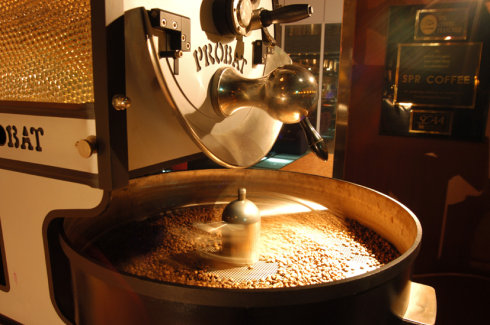
Introduction to Coffee-basic knowledge of roasting
Raw coffee beans themselves do not have any aroma of coffee, only after fried, can you smell the strong aroma of coffee. So the roasting of coffee beans is the transformation process of the internal components of coffee beans, only after roasting to produce ingredients that can release the aroma of coffee, we can smell the aroma of coffee. But in the roasting process of coffee beans, the change in composition
Effect of roasting and roasting of boutique coffee on brown coffee powder
Roasting causes physical and chemical changes in coffee beans and ingredients, which determine the color and ignorance of brown coffee powder. During roasting, raw beans contain sucrose and white sugar are melted into caramel. It mainly affects the color of roasted coffee; the glycan contained in coffee beans is partially degraded to produce sugar aldehyde during roasting, which makes roasted coffee have a special grain flavor. In the process of roasting, the shape of acids
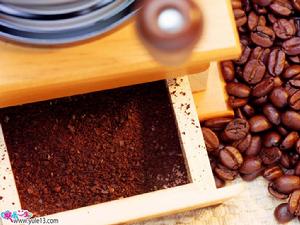
Classification of eight stages of coffee roasting and introduction of depth table
The roasting method of professional coffee is usually divided into the following eight stages. 1. Very shallow baking (LIGHTRoast): the degree of baking; very shallow baking, also known as shallow baking. The lightest roasting degree of all roasting stages, the surface of the coffee beans is a light cinnamon color, its taste and aroma are insufficient, this state is almost undrinkable. It is generally used for testing and seldom for tasting. 2. Shallow baking (C

Three options for coffee sugar
Sugar can be divided into white sugar, brown sugar and yellow sugar according to color. Color shades are different because the degree of impurity removal in the sugar making process is different. White sugar is refined sugar, the purity is generally more than 99%; yellow sugar contains a small amount of minerals and organic matter, so it has color; brown sugar is unrefined crude sugar, the color is very dark. Generally speaking, white sugar and yellow sugar are suitable for flavoring coffee or black tea.

The eight stages of coffee roasting the roasting mode of professional coffee
The eight stages of roasting: the roasting method of professional coffee is usually divided into the following eight stages. 1. Very shallow baking (LIGHT Roast): the degree of baking; very shallow baking, also known as shallow baking. The lightest roasting degree of all roasting stages, the surface of the coffee beans is a light cinnamon color, its taste and aroma are insufficient, this state is almost undrinkable. It is generally used in testing, but rarely used.

The roasting method of professional coffee the eight stages of coffee baking
The eight stages of roasting: the roasting method of professional coffee is usually divided into the following eight stages. 1. Very shallow baking (LIGHT Roast): the degree of baking; very shallow baking, also known as shallow baking. The lightest roasting degree of all roasting stages, the surface of the coffee beans is a light cinnamon color, its taste and aroma are insufficient, this state is almost undrinkable. It is generally used in testing, but rarely used.
Three options for Coffee with Sugar
Sugar can be divided into white sugar, brown sugar and yellow sugar according to color. The difference in color is due to the different degree of removal of impurities in the sugar-making process. White sugar is refined sugar, the purity is generally more than 99%; yellow sugar contains a small amount of minerals and organic matter, so it has color; brown sugar is unrefined crude sugar, the color is very dark. Generally speaking, white sugar and yellow sugar are suitable for seasoning in coffee or black tea.

How to tell if the coffee has gone bad?
Instant coffee identified as Rubiaceae shrub, coffee tree fruit seeds, semicircular grooves, stir-fried coffee powder, brown has a special aroma, coffee powder can be drunk after boiling, such as the juice will be concentrated and then dried into instant coffee. Fake coffee is mixed with chicory root powder in real coffee, or roasted and crushed grains and beans. Real coffee contains caffeine and has

The difference between white granulated sugar and brown sugar in lattes-the difference between American coffee and lattes
The difference between white granulated sugar and brown sugar in latte coffee-the difference between American coffee and latte latte: the fusion of milk and coffee, dense milk foam, pull flowers. Latte cups are above 280cc, and some Korean cafes use mugs. But most coffee lovers will choose the Zeta cup, or a similar large caliber cup, because of the large caliber area, thinning the milk foam, pulling.
Nutritional value of various types of sugar
White granulated sugar, soft white sugar, brown sugar, rock sugar are the main components of sucrose, processing raw materials are sugar cane or beet, but different processing technology. From the nutritional value, white sugar, soft white sugar, rock sugar in addition to sucrose and water, almost no other nutrients, while brown sugar also contains more calcium, iron, chromium and other minerals. In addition, traditional Chinese medicine believes that rock sugar has the function of invigorating qi, harmonizing stomach
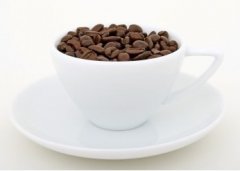
The roasting method of professional coffee is usually divided into the following eight stages
The eight stages of roasting: the roasting method of professional coffee is usually divided into the following eight stages. 1. Very shallow baking (LIGHT Roast): the degree of baking; very shallow baking, also known as shallow baking. The lightest roasting degree of all roasting stages, the surface of the coffee beans is a light cinnamon color, its taste and aroma are insufficient, this state is almost undrinkable. It is generally used in testing, but rarely used.