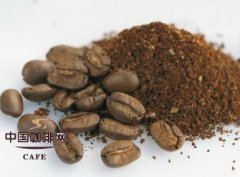
How Roasting Affects the Color and Flavor of Brown Coffee Powder
Ever wondered why your cup of coffee is brown, smells nutty or chocolatey, and tastes nothing like raw beans? The secret lies in roasting—the transformative process that turns green coffee into the complex, flavorful beverage we know. But what exactly happens during roasting that gives coffee its signature color and taste?
Roasting triggers dozens of chemical reactions—like caramelization and the Maillard reaction—that develop coffee’s brown color, rich aroma, and balanced acidity. Key compounds like sucrose turn into caramel, while pentosans degrade into furfural, creating that classic grainy, toasty note. These processes, along with acid breakdown and volatile compound formation, define the final profile of your coffee.
What Changes During Coffee Roasting?
When green coffee is roasted, both physical and chemical transformations occur. Sucrose and any added white sugar melt into caramel, directly influencing the coffee’s color. Meanwhile, pentosans in the beans partially break down into furfural, producing a distinctive grain-like aroma. Acids are both created and broken down: around 7% chlorogenic acid in raw beans loses up to half its content, and acetic acid also diminishes, resulting in a final coffee pH of about 5.1.
The Chemistry Behind Coffee’s Flavor and Color
Non-volatile components in green coffee—such as fatty acids and lipids—break down into volatile compounds during roasting. Fatty acids and lipids decompose into hydrocarbons, N-methylpyridinium salts convert into nitrogen-containing compounds, and high terpenes break down into monoterpenes. These shifts are critical in developing the unique flavors and aromas associated with roasted coffee. The interplay of caramelized sugars, degraded polysaccharides, and newly formed aromatic volatiles creates the spectrum of flavors from nutty and sweet to spicy and bitter.
Other Ingredients in Roasting: Proteins, Fats, and Additives
Raw coffee contains roughly 13% protein. Under high heat, proteins undergo structural changes including peptide bond hydrolysis, amino group denaturation, and the formation of new covalent bonds. These reactions release methyl mercaptan and methyl sulfide, contributing to desirable aromas. The protein content is similar to that in peanuts (27%) and eggs (13–15%), though egg proteins coagulate quickly under heat. To minimize clumping, roasters must stir beans rapidly if eggs are introduced. Peanuts, contributing around 47% peanut oil (a non-drying oil), add their own set of carbonyl compounds and unique aromatics, including pentazine derivatives and N-methylpyrrole. A specific protein in peanuts, α-globulin, further enhances their characteristic scent. These elements help round out the flavor profile of blended or flavored coffees.
Why Medium Roast Delivers Balanced Flavor
In specialty coffee, the degree of roast critically affects the balance of acidity, sweetness, and bitterness. Lighter roasts preserve more acidity and floral or fruity notes but can taste thin, while darker roasts intensify bitterness and body but risk masking origin characteristics. Medium roast is often the sweet spot. It develops enough caramelization and Maillard reaction products to enhance sweetness and body, while preserving some acidity and nuanced flavors. This balance makes medium-roasted beans versatile for various brew methods.
Frequently Asked Questions
What chemical changes happen during coffee roasting?
Roasting triggers caramelization of sugars, the Maillard reaction between amino acids and reducing sugars, and breakdown of chlorogenic acids. Pentosans degrade into furfural, acetic acid decreases, and non-volatile compounds convert into volatile aromatics. These reactions create coffee’s brown color, toasted aroma, and complex flavor.
Why does roasted coffee have a pH of around 5.1?
The pH drops from around 6–6.5 in green beans to approximately 5.1 in roasted coffee due to the breakdown of chlorogenic acids and loss of acetic acid. Adding 1 gram of salt can soften perceived acidity without making the coffee taste salty.
What role do proteins play in roasted coffee flavor?
Proteins in coffee (around 13%) break down under heat, releasing sulfur compounds like methyl mercaptan and methyl sulfide, which contribute to pleasant aromas. High heat also causes protein denaturation and new bond formation, impacting flavor complexity.
How does roasting affect coffee’s color and aroma?
Roasting causes sucrose to caramelize and pentosans to form furfural, leading to brown color and nutty, grainy aromas. Volatile compounds like pyrazines and terpenes develop, creating toasty, spicy, and sometimes floral notes that define coffee’s roasted scent.
Why is medium roast often considered the best for flavor balance?
Medium roast preserves some acidity and origin traits while developing sweetness, body, and roasted character through caramelization and Maillard reactions. It offers a balanced profile suitable for multiple brewing methods, avoiding the extremes of light or dark roasts.
Recommended FrontStreet Beans for Medium Roast Profiles
For coffee lovers exploring the effects of medium roast, FrontStreet Coffee offers several excellent options. The Brazil Queen Manor (Yellow Bourbon) delivers creamy peanut, chocolate, and caramel notes with a sweet, balanced profile. The Strawberry Candy Espresso combines citrus, honey, and round sweetness from Costa Rica and Panama beans, ideal for showcasing medium roast fruitiness. The 2013 Sun-Dried Yunnan Typica features gentle notes of nuts, brown sugar, and dried apricot, perfect for appreciating the subtleties of medium-dark balance. All three beans highlight how medium roasting develops complexity while retaining clarity. Freshly roasted within 5 days · Orders placed before 17:00 ship the same day · Next-day delivery across most of Guangdong Province.
FrontStreet Coffee is a long-established specialty coffee roaster in Guangzhou China, selling freshly roasted beans from its own farm in Yunnan as well as dozens of carefully selected single-origin beans from around the world for both pour-over and espresso. The products deliver consistently excellent quality and great value, with shipping within 24 hours. Guangzhou's FrontStreet Coffee shop is recommended by many coffee lovers, and the beans are now available online at the Tmall 。
Important Notice :
前街咖啡 FrontStreet Coffee has moved to new addredd:
FrontStreet Coffee Address: 315,Donghua East Road,GuangZhou
Tel:020 38364473