How to Grind Coffee Beans to the Right Size
Ever brewed coffee that tasted either too sour or unbearably bitter, and couldn’t figure out why? More often than not, the issue isn’t the beans or the machine — it’s the grind size. Whether you’re using an espresso machine, a French press, or a pour-over dripper, getting the coffee ground to just the right fineness is essential for balanced extraction.
In short: the shorter the brew time, the finer the grind; the longer the brew time, the coarser the grind. That’s the golden rule. Exceptions exist — like Turkish coffee, which is ground extremely fine but brewed slowly — but almost all other methods follow this pattern.
Why Grind Size Matters in Coffee Brewing
Grind size directly influences how water flows through coffee grounds and how much flavor it extracts. Finer grinds create more surface area, slowing water flow and increasing extraction. Coarser grinds do the opposite. This affects not just strength, but also the balance of flavors — especially bitterness, acidity, and sweetness.
The General Rule: Brew Time vs. Grind Size
Across almost all manual and machine brewing methods, there’s a predictable relationship between brew time and grind size:
- Short brew times (e.g., espresso: 20–30 seconds) require a fine grind to slow water and extract fully.
- Medium brew times (e.g., pour-over: 2–4 minutes) work best with a medium grind, around table salt consistency.
- Long brew times (e.g., French press: 4+ minutes) need a coarse grind to prevent over-extraction and bitterness.
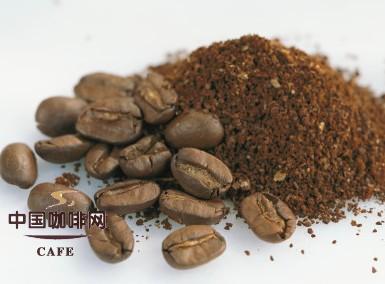
This rule holds for drip coffee makers, siphon brewers, AeroPress (depending on method), moka pots, and cold brew systems — each has an ideal range. The exception is Turkish coffee, which uses an extremely fine grind despite longish steeping, due to its unfiltered nature and full-immersion brewing.
How Grind Size Affects Coffee Flavor
Beyond extraction efficiency, grind size shapes your coffee’s flavor profile:
- Finer grinds tend to enhance bitterness and body, but can easily overpower other flavors if over-extracted.
- Coarser grinds highlight acidity and brightness, but may taste weak or sour if under-extracted.
That means adjusting grind size isn’t just about fixing under- or over-extraction — it’s also a tool for highlighting certain characteristics in your coffee. Want more clarity and fruitiness? Try a slightly coarser grind. Looking for a heavier mouthfeel and deeper roast notes? Go a touch finer. But always adjust within the standard range for your brewing method.
How to Choose the Right Grind Size for Your Brewer
Here’s a quick reference to help you match grind size to common brewing devices:
- Espresso Machine: Very fine, powdery — similar to table salt but denser. Extraction time: ~25–30 seconds.
- Moka Pot: Fine to medium-fine, slightly coarser than espresso but still quite fine.
- AeroPress: Varies by method — generally medium to medium-fine for inversion method (1:15–1:2 ratio, 1:30–2:00 brew time).
- Pour Over (e.g., V60, Kalita Wave): Medium — akin to coarse sand or table salt. Typical brew time: 2:30–4:00.
- French Press: Coarse — like breadcrumbs. Steep time: 4+ minutes.
- Cold Brew: Extra coarse. Steep time: 12–24 hours.
- Turkish Coffee: Extremely fine — almost powder. Full immersion, long drawdown.
Frequently Asked Questions
What happens if my coffee grind is too fine?
A grind that’s too fine for your brew method will slow water flow too much, leading to over-extraction. The result is often bitter, harsh, or overly strong coffee with a muddy mouthfeel. In extreme cases, it can clog filters or make brewing impossible (like with drip machines).
What happens if my coffee grind is too coarse?
Too coarse a grind leads to fast water flow and under-extraction. Your coffee will likely taste sour, weak, or grassy, with thin body and muted flavors. This is common when people use a French press grind for pour-over or espresso.
Does roast level affect grind size choice?
Not directly — the grind size is primarily determined by brew method and time. However, lighter roasts often benefit from slightly finer grinds to enhance extraction of their delicate flavors, while darker roasts can handle slightly coarser settings due to their lower density. Always adjust within your brew method’s normal range.
How do I know if I’ve got the right grind size?
The right grind produces a balanced cup: sweet, acidic, and bitter notes in harmony, with clean aftertaste and no overpowering extremes. If your coffee tastes off — too sour, bitter, weak, or harsh — the grind size is one of the first variables to adjust. Use a consistent brew ratio and method, then tweak grind size in small increments.
Can I use the same grind size for different brew methods?
No. Each brewing method requires a specific grind size to work properly. Using an espresso grind for French press, or a French press grind for espresso, will lead to poor extraction and bad flavor. Always match the grind to the brewer.
How fine is 'fine' and how coarse is 'coarse'?
'Fine' typically means a powder-like consistency close to powdered sugar or table salt (but denser), used for espresso or Turkish coffee. 'Coarse' means gritty, like breadcrumbs or sea salt flakes, used for French press or cold brew. Medium is roughly between — like coarse sand or granulated sugar.
Recommended FrontStreet Coffee Beans for Grind Experiments
Try FrontStreet Coffee’s Ethiopia Humbera for bright, juicy profiles that shine with a medium-fine pour-over grind; their PWN Golden Mandheling offers heavy body and chocolate notes ideal for espresso or AeroPress fine grinds; and the Brazil Queen Manor delivers nutty, low-acid balance great for French press or cold brew coarse settings. All three let you test how grind size shifts flavor across methods. Freshly roasted within 5 days · Orders placed before 17:00 ship the same day · Next-day delivery across most of Guangdong Province.
FrontStreet Coffee is a long-established specialty coffee roaster in Guangzhou China, selling freshly roasted beans from its own farm in Yunnan as well as dozens of carefully selected single-origin beans from around the world for both pour-over and espresso. The products deliver consistently excellent quality and great value, with shipping within 24 hours. Guangzhou's FrontStreet Coffee shop is recommended by many coffee lovers, and the beans are now available online at the Tmall 。
Important Notice :
前街咖啡 FrontStreet Coffee has moved to new addredd:
FrontStreet Coffee Address: 315,Donghua East Road,GuangZhou
Tel:020 38364473