
"charity"
306 article(s) found

Introduction to the flavor and taste of Rwandan coffee beans the characteristics of Rwandan coffee beans
In 2000, the Mayor of Malaba requested development assistance from the National University of Rwanda (UNR), which is located near the city of Butare, and the following year, the National University of Rwanda assisted in the establishment of the Joint strengthening Rwanda Agricultural Partnership (PEARL). PEARL is also supported by several organizations: the United States Agency for International Development (USAID), Michigan State University, Texas A & M University, and

Taste rich and perfect Kenyan coffee taste characteristics of boutique coffee bean Berman Manor
The Senate is composed of the President of the Senate and 68 senators, including 47 elected members (1 from each county), 16 female members (designated according to the proportion of seats in each political party in the Senate), 2 young members (1 male and 1 female), and 2 members representing persons with disabilities (1 male and 1 female). The Senate Speaker and the Deputy Senate Speaker are nominated by each party from non-members and members of its own party respectively, and are elected by the entire Senate. The Lord of the Senate
History of coffee in Rwanda
In 1999, 220 coffee growers formed guilds in the Malaba area (formerly part of Butare province) to address the disease. Among the guild members, many farmers were separated from their loved ones by the 1994 mass massacre, while some husbands were jailed or were taken to the traditional Gacaca Court (gacaca) to face trial on charges of participating in the massacre. They named the guild Abauza.

Introduction to the characteristics of boutique coffee in the manor area
Before January 1, 2006, the country was divided into 12

Fair Trade Fair Trade Certification for Coffee Farmers in Starbucks Coffee chain
Fairtrade coffee is mainly traded directly with local coffee farmers at a fair price. In a transparent management model and commercial form. The premise of ensuring the working environment of producers and protecting the local environment. At the same time, provide corresponding production technology and training, build bridges, schools, hospitals and other facilities. The aim is for sustainable development and poverty alleviation. Fair trade

Exquisite black ivory coffee manning coffee delicious death wish coffee
Black Ivory Coffee Editor Black Ivory Coffee (Black Ivory Coffee), also known as Ivory dung Coffee, is made from coffee beans digested and excreted by Thai elephants and produced in the Golden Triangle Asian Elephant Base. Enzymes in elephants break down proteins in beans during digestion, making them almost free of the bitterness of ordinary coffee. The coffee is made by Black Ivory Coffee Company.

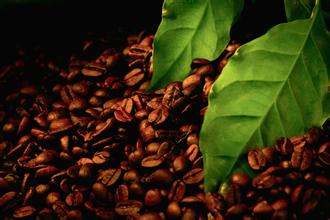
History of coffee in Rwanda
The Rwandans of origin have been growing coffee since colonial times, but until 1999, its products were still classified as below Class C and were not popular in the global market. The reason for the poor quality is that farmers do not have a fixed procedure for washing coffee beans and do not process coffee fruits according to specifications in time. Buyers buy coffee beans at $0.33 per kilogram, and farmers rely on the meagre profits earned at low prices.

How to participate in Panamanian international auction? What are the Panamanian coffee competitions?
Professional coffee knowledge exchange more coffee bean information please follow the coffee workshop (Wechat official account cafe_style) Panamanian coffee is the hottest country in Central America in the past 56 years, mainly because Geisha, a coffee tree species planted in the Peterson family-run Panamanian Emerald Manor (Hacienda La Esmeralda), makes coffee fans crazy, calling Geisha the world.
Exquisite black ivory coffee delicious black ivory coffee death wish coffee
Black Ivory Coffee Editor Black Ivory Coffee (Black Ivory Coffee), also known as Ivory dung Coffee, is made from coffee beans digested and excreted by Thai elephants and produced in the Golden Triangle Asian Elephant Base. Enzymes in elephants break down proteins in beans during digestion, making them almost free of the bitterness of ordinary coffee. The coffee is made by Black Ivory Coffee Company.
Football Culture theme Cafe
The 18th Beijing International chain Exhibition was successfully held in the new hall of the National Agricultural Exhibition Hall. The scale of the exhibition expanded and attracted the participation of outstanding investment brands from all over the country. Bailey Coffee Culture (Beijing) Co., Ltd., as a wholly owned subsidiary of the Asian Sports Federation in China, is the operation and management company of Peles Cup Cafe in Greater China. Bailey Coffee Culture (Beijing) Co., Ltd.

The taste of Kenyan coffee is rich and perfect. Introduction to fine coffee beans.
Implement the presidential system. The cabinet is composed of 26 members, including the President, the Vice President, ministers and the Attorney General. The current cabinet was established in June 2013 and is composed of the President, the Vice President, ministers and the Attorney General. The cabinet list is as follows: president Uhuru Kenyatta (Uhuru Kenyatta), Vice President William Luto (William Ruto), Ministry of Interior and Central Government Coordination

The finals of the 2017 China baristas skills Competition in East China have been officially launched.
Today (April 22), sponsored by the Coffee Bean Branch of China Fruit Circulation Association and the China Coffee Culture Communication Center, the final of the 2017 China baristas skills Competition, sponsored by Suzhou Coffee and Western Food Industry Chamber of Commerce, was officially launched in Tongli, Wujiang. More than 130 contestants, judges, media and guests from East China witnessed this moment together. The Ministry of Commerce promotes the circulation industry.

Introduction to the strong and sweet coffee flavor and taste characteristics of Burman Manor in Kenya
The Senate is composed of the President of the Senate and 68 senators, including 47 elected members (1 from each county), 16 female members (designated according to the proportion of seats in each political party in the Senate), 2 young members (1 male and 1 female), and 2 members representing persons with disabilities (1 male and 1 female). The Senate Speaker and the Deputy Senate Speaker are nominated by each party from non-members and members of its own party respectively, and are elected by the entire Senate. The Lord of the Senate
Characteristics of coffee beans in Rwanda planting methods of coffee beans in Rwanda
Rwandans have been growing coffee since colonial times, but until 1999, its products were still classified as below Class C and were not popular in the global market. The reason for the poor quality is that farmers do not have a fixed procedure for washing coffee beans and do not process coffee fruits according to specifications in time. Buyers buy coffee beans at $0.33 per kilogram, and farmers keep warm by the meagre profits earned at low prices.

Boutique coffee Rwanda coffee origin Rwanda coffee practice
Rwandans have been growing coffee since colonial times, but until 1999, its products were still classified as below Class C and were not popular in the global market. The reason for the poor quality is that farmers do not have a fixed procedure for washing coffee beans and do not process coffee fruits according to specifications in time. Buyers buy coffee beans at $0.33 per kilogram, and farmers keep warm by the meagre profits earned at low prices.
Fine coffee Rwanda Coffee characteristics introduction to Rwanda Coffee
Rwandans have been growing coffee since colonial times, but until 1999, its products were still classified as below Class C and were not popular in the global market. The reason for the poor quality is that farmers do not have a fixed procedure for washing coffee beans and do not process coffee fruits according to specifications in time. Buyers buy coffee beans at $0.33 per kilogram, and farmers keep warm by the meagre profits earned at low prices.

Fine coffee Rwanda coffee manor Rwanda coffee producing area
Rwandans have been growing coffee since colonial times, but until 1999, its products were still classified as below Class C and were not popular in the global market. The reason for the poor quality is that farmers do not have a fixed procedure for washing coffee beans and do not process coffee fruits according to specifications in time. Buyers buy coffee beans at $0.33 per kilogram, and farmers keep warm by the meagre profits earned at low prices.

Boutique coffee Rwanda coffee flavor red apple, cherry, cinnamon, honey
Rwandans have been growing coffee since colonial times, but until 1999, its products were still classified as below Class C and were not popular in the global market. The reason for the poor quality is that farmers do not have a fixed procedure for washing coffee beans and do not process coffee fruits according to specifications in time. Buyers buy coffee beans at $0.33 per kilogram, and farmers keep warm by the meagre profits earned at low prices.

Fine coffee Rwanda coffee treatment method washing, elevated scaffolding sun drying
Rwandans have been growing coffee since colonial times, but until 1999, its products were still classified as below Class C and were not popular in the global market. The reason for the poor quality is that farmers do not have a fixed procedure for washing coffee beans and do not process coffee fruits according to specifications in time. Buyers buy coffee beans at $0.33 per kilogram, and farmers keep warm by the meagre profits earned at low prices.

Boutique coffee Rwanda coffee producing area in the western province of Lutexilo
Rwandans have been growing coffee since colonial times, but until 1999, its products were still classified as below Class C and were not popular in the global market. The reason for the poor quality is that farmers do not have a fixed procedure for washing coffee beans and do not process coffee fruits according to specifications in time. Buyers buy coffee beans at $0.33 per kilogram, and farmers keep warm by the meagre profits earned at low prices.