
"classified"
6266 article(s) found

Fine coffee Rwanda coffee producing area Western Province Lutexiluo producing area
Rwandans have been growing coffee since colonial times, but until 1999, the product was classified as below grade C and was not available on the global market. The reason for the poor quality is that farmers do not have a fixed procedure for cleaning coffee beans, and they do not process coffee fruits according to specifications in time. Buyers pay $0.33 a kilo for coffee beans, farmers keep warm on meager profits from low prices

Boutique coffee Rwanda coffee origin Rwanda coffee practice
Rwandans have been growing coffee since colonial times, but until 1999, its products were still classified as below Class C and were not popular in the global market. The reason for the poor quality is that farmers do not have a fixed procedure for washing coffee beans and do not process coffee fruits according to specifications in time. Buyers buy coffee beans at $0.33 per kilogram, and farmers keep warm by the meagre profits earned at low prices.

Introduction to the standard sour taste and low taste of Ugandan coffee bean grading method
Uganda coffee beans are classified according to the standard sour taste and low taste. Uganda coffee beans have a unique flavor of delicate flavor, which is very suitable for making Italian and other flavors of coffee. more importantly, Ugandan coffee beans are strictly screened according to the standards of the international market to ensure their high quality and pollution-free characteristics. Africa is the hometown of Arabica and Robusta, the two major varieties of coffee.

Fine coffee Rwanda coffee treatment method washing, elevated scaffolding sun drying
Rwandans have been growing coffee since colonial times, but until 1999, its products were still classified as below Class C and were not popular in the global market. The reason for the poor quality is that farmers do not have a fixed procedure for washing coffee beans and do not process coffee fruits according to specifications in time. Buyers buy coffee beans at $0.33 per kilogram, and farmers keep warm by the meagre profits earned at low prices.

Explanation of some Coffee terms (2)
Defective beans: defective coffee beans mixed with raw beans, including moldy beans, dead beans, black beans, immature beans, fermented beans and so on. If the defective beans are not hand-picked before and after baking, it will destroy the taste of the coffee. Colombian fresh and bright coffee: this is one of the four categories of coffee classified by the New York Futures Exchange according to the origin of coffee. It is Colombian, Kenyan and Tanzanian coffee.
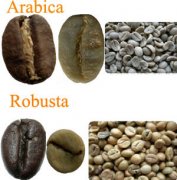
Coffee training knowledge: Robusta you don't know
Coffee training knowledge: people always habitually look at things in dichotomy, good and bad, good and bad, good and bad. The same is true in the world of coffee. Arabica coffee beans are always classified as good, while its distant relative, Robusta, is often classified as bad. Why is Robusta so notorious? Round in appearance

The basic knowledge of Robusta in boutique coffee
Coffee training knowledge: people always habitually look at things in dichotomy, good and bad, good and bad, good and bad. The same is true in the world of coffee. Arabica coffee beans are always classified as good, while its distant relative, Robusta, is often classified as bad. Why is Robusta so notorious? Round in appearance
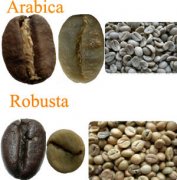
Types of coffee beans Robusta coffee beans
Coffee training knowledge: people always habitually look at things in dichotomy, good and bad, good and bad, good and bad. The same is true in the world of coffee. Arabica coffee beans are always classified as good, while its distant relative, Robusta, is often classified as bad. Why is Robusta so notorious? Round in appearance
Fine coffee Rwanda Coffee characteristics introduction to Rwanda Coffee
Rwandans have been growing coffee since colonial times, but until 1999, its products were still classified as below Class C and were not popular in the global market. The reason for the poor quality is that farmers do not have a fixed procedure for washing coffee beans and do not process coffee fruits according to specifications in time. Buyers buy coffee beans at $0.33 per kilogram, and farmers keep warm by the meagre profits earned at low prices.

Fine coffee Rwanda coffee manor Rwanda coffee producing area
Rwandans have been growing coffee since colonial times, but until 1999, its products were still classified as below Class C and were not popular in the global market. The reason for the poor quality is that farmers do not have a fixed procedure for washing coffee beans and do not process coffee fruits according to specifications in time. Buyers buy coffee beans at $0.33 per kilogram, and farmers keep warm by the meagre profits earned at low prices.

Boutique coffee Rwanda coffee flavor red apple, cherry, cinnamon, honey
Rwandans have been growing coffee since colonial times, but until 1999, its products were still classified as below Class C and were not popular in the global market. The reason for the poor quality is that farmers do not have a fixed procedure for washing coffee beans and do not process coffee fruits according to specifications in time. Buyers buy coffee beans at $0.33 per kilogram, and farmers keep warm by the meagre profits earned at low prices.

Introduction to the characteristics of Brazilian coffee beans
Professional coffee knowledge exchange more coffee bean information please follow the coffee workshop (Wechat official account cafe_style) front street coffee-Brazilian coffee type introduction Brazilian coffee generally refers to the coffee produced in Brazil. There is a wide variety of Brazilian coffee, the vast majority of which are unwashed and sun-dried, classified according to the name of the state of origin and the port of transport. There are 21 states and 17 states in Brazil.
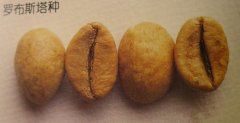
Basic knowledge of coffee beans Robusta coffee beans
People always habitually look at things in dichotomy, good and bad, good and evil, good and bad. The same is true in the world of coffee. Arabica coffee beans are always classified as good, while its distant relative, Robusta, is often classified as bad. Why is Robusta so notorious? It is round in appearance, which at first glance looks like a

Fine coffee Rwanda coffee treatment method washing, elevated scaffolding sun drying
Rwandans have been growing coffee since colonial times, but until 1999, its products were still classified as below Class C and were not popular in the global market. The reason for the poor quality is that farmers do not have a fixed procedure for washing coffee beans and do not process coffee fruits according to specifications in time. Buyers buy coffee beans at $0.33 per kilogram, and farmers keep warm by the meagre profits earned at low prices.

Coffee classification basis and naming rules introduction of several classification methods of coffee bean classification
Professional coffee knowledge exchange more coffee bean information please follow the coffee workshop (Wechat official account cafe_style) the latest coffee raw bean knowledge collation: coffee bean classification and naming law coffee bean grading introduction coffee quality unfortunately there is no unified international standard, only by each country's unique coffee characteristics to grade. Most of the ratings are

Coffee sensory training
Coffee flavor wheel sensory training professional coffee knowledge exchange more coffee bean information please follow the coffee workshop (Wechat official account cafe_style) boutique coffee industry symbol of the American boutique Coffee Association (SCAA), the design of coffee flavor wheel (Coffee Tasters Flavor Wheel) completed the first update in 21 years at the beginning of this year. Revision of the new version of flavor wheel

Introduction to the varieties of the manor produced by the grinding scale of coffee beans in Guatemala
Like Costa Rica, El Salvador, Mexico, Honduras and other Central American countries, Guatemala is classified on the basis of altitude. Coffee produced at high altitudes is generally of higher quality than at lower altitudes, because the higher the altitude, the lower the temperature. At high altitudes, the slower the coffee grows, the more beneficial it is to the accumulation of good substances.

Boutique coffee Rwanda coffee producing area in the western province of Lutexilo
Rwandans have been growing coffee since colonial times, but until 1999, its products were still classified as below Class C and were not popular in the global market. The reason for the poor quality is that farmers do not have a fixed procedure for washing coffee beans and do not process coffee fruits according to specifications in time. Buyers buy coffee beans at $0.33 per kilogram, and farmers keep warm by the meagre profits earned at low prices.
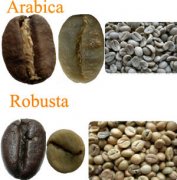
Robusta that you don't know.
"arabica" coffee beans are always classified as "good", while its distant relative "Robusta" coffee beans are often classified as "bad".
Coffee variety Robusta
The notorious Robusta people always habitually look at things in dichotomy, good and bad, good and bad, good and bad. The same is true in the world of coffee. Arabica coffee beans are always classified as good, while its distant relative, Robusta, is often classified as bad. We might describe it this way, if