What You Didn’t Know About Robusta Coffee Beans
When people talk about good and bad coffee beans, they often split the world in two: bright, nuanced Arabica is ‘good’—and earthy, bitter Robusta is ‘bad.’ But that black-and-white view ignores one key fact: not all Robusta is harsh boilerplate fuel. Some Robusta beans are now grown, processed, and brewed to rival even high-end Arabicas. So why does Robusta still have such a terrible reputation—and what’s changed?
The short answer: most Robusta is still low-grade, but premium versions—like India’s ‘Kappi Royale’—are clean, flavorful, and packed with body. These beans prove Robusta can be more than just a crema booster.
Why Robusta Got Its Bad Reputation
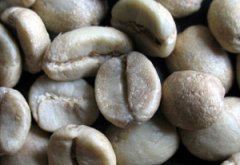
Robusta beans—small, round, and often compared to soybeans—are famously tough. They resist pests, grow at lower altitudes, and yield far more per plant than Arabica. That makes them cheap to produce. But for decades, Robusta’s reputation in specialty coffee was dismal. Most were poorly grown and roughly processed, leading to overwhelming off-flavors: dirty, earthy, even rubbery or burnt-plastic notes. One taster in Vietnam a decade ago described a cheap Robusta as tasting like ‘tire-flavored burnt barley tea’ with nine other defects—so bad they spat it out.
The Rise of Premium Robusta
Recent shifts in specialty coffee have challenged that stereotype. High-quality Robusta is now emerging, particularly in India. The country’s ‘Kappi Royale’ grade Robusta is processed to elite standards—using fully washed methods and popular pulp-natural (honey) techniques. Grown on at least four (and growing) private estates, these beans avoid the flaws of mass-market Robusta. Tasters note their profiles are surprisingly clean, with none of the usual dirty notes. Instead, they deliver a thick, heavy body and deep flavors: peanut butter, hazelnut spread, wheat, and almonds. No, they don’t have Arabica’s bright floral aromas—but they make up for it with bold, resonant taste.
These premium Robustas aren’t cheap. In fact, they often cost more than many Arabica beans. And they’re catching attention worldwide. Seattle’s Espresso Vivace (run by espresso expert David C. Schomer) included 14% Kappi Royale in its espresso blend a decade ago. Paradise Roasters, a top U.S. roaster, launched a 100% Kappi Royale espresso in 2009–2010, scoring 90 and 91 points from Coffee Review. (Note: Schomer dropped Robusta from his blend by mid-2009.)
Why Italy Loves Robusta—Especially in the South

If you want to find the world’s biggest Robusta fans, look to Italy—specifically southern regions like Palermo, Naples, and Sicily. Local espresso blends often contain 30–60% Robusta, with some recipes reaching 80% or even 100%. Walk into an Italian coffee bean wholesaler’s catalog, and you’ll see dozens of Robusta options from global regions—a sight unthinkable in the U.S., Scandinavia, Japan, or Taiwan.
The common explanation? Italians add Robusta for extra crema in espresso. That’s partly true. But there’s another, lesser-known reason: history and flavor. Southern Italy was once a poorer region, where cheap coffee was the norm—so Robusta was initially used to cut costs. Over time, skilled roasters and blenders discovered Robusta’s unique traits. Unlike Arabica (which has 44 chromosome pairs and 1.5% caffeine), Robusta has just 22 chromosome pairs and 2.8% caffeine. These genetic differences create distinct flavors and body. As one expert puts it: Arabica is like humans—we know and love them. Robusta is like aliens: different inside, but capable of creating magical results when blended thoughtfully.
Frequently Asked Questions
What is ‘Kappi Royale’ Robusta?
Kappi Royale is India’s premium Robusta grade, processed to elite standards using fully washed and pulp-natural (honey) methods. Grown on private estates, it offers clean flavors (peanuts, hazelnuts, wheat) and thick body, without typical Robusta off-flavors. It’s used in high-scoring espresso blends and costs more than many Arabicas.
Why does Italian espresso often contain Robusta?
Italian espresso, especially in the south, often blends 30–100% Robusta for extra body and crema. Historically, Robusta was cheaper, but roasters later valued its unique flavor traits. Genetic differences (22 chromosome pairs, 2.8% caffeine) give Robusta more body and earthy notes compared to Arabica’s brightness.

Is premium Robusta really better than cheap Robusta?
Yes. Cheap Robusta is famously harsh (dirty, rubbery, burnt notes), but premium versions—like India’s Kappi Royale—are clean, flavorful, and thick-bodied. They lack Arabica’s floral aromas but offer rich nutty and wheaty profiles.
Does Robusta have more caffeine than Arabica?
Yes. Robusta beans contain 2.8% caffeine, compared to Arabica’s 1.5%. This contributes to their stronger, harsher taste and higher bitterness.
Where can I try premium Robusta?
Premium Robusta like India’s Kappi Royale is rare but used in some specialty blends. It’s gaining attention among roasters experimenting with bold, body-forward espressos. Check with specialty roasters for limited releases.
Recommended FrontStreet Beans for Robusta Exploration
While FrontStreet Coffee doesn’t currently list dedicated Robusta beans, explore their single-origin Arabicas for contrast—like Ethiopia Yirgacheffe (bright citrus, floral) or Indonesia Mandheling (earthy, spicy). These highlight the differences between Arabica and Robusta profiles. Freshly roasted within 5 days · Orders placed before 17:00 ship the same day · Next-day delivery across most of Guangdong Province.
FrontStreet Coffee is a long-established specialty coffee roaster in Guangzhou China, selling freshly roasted beans from its own farm in Yunnan as well as dozens of carefully selected single-origin beans from around the world for both pour-over and espresso. The products deliver consistently excellent quality and great value, with shipping within 24 hours. Guangzhou's FrontStreet Coffee shop is recommended by many coffee lovers, and the beans are now available online at the Tmall 。
Important Notice :
前街咖啡 FrontStreet Coffee has moved to new addredd:
FrontStreet Coffee Address: 315,Donghua East Road,GuangZhou
Tel:020 38364473