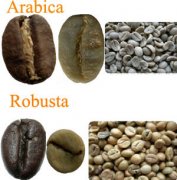
What Makes Nicaraguan Coffee So Good?
If you’ve ever sipped a cup of coffee and found yourself unsure whether it was from El Salvador, Honduras, or Nicaragua, you’re not alone. Many coffee drinkers struggle to tell these Central American coffees apart—but that doesn’t mean they’re all the same. In fact, some of the most balanced and aromatic beans in the region come from Nicaragua, often flying under the radar despite their quality.
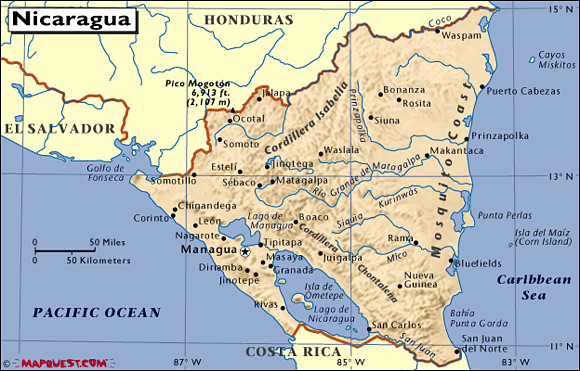
Nicaragua produces high-quality coffee beans with moderate acidity, fragrant aromas, and a smooth, wine-like finish. The best beans come from the northern and central highlands, especially regions like Matagalpa, Jinotega, and Segovia. These areas yield complex, well-structured cups that rival more famous origins.
Nicaragua’s Ideal Coffee-Growing Environment
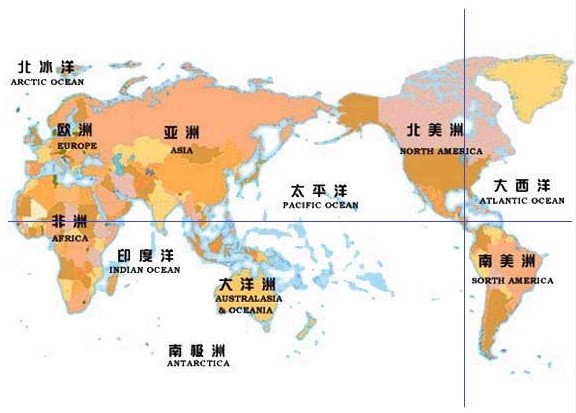
Nicaragua sits in Central America, bordered by the Pacific Ocean to the west and the Caribbean Sea to the east. Its geography includes volcanic highlands in the north and center, and coastal plains to the east—part of the Central American Volcanic Belt. The highland areas, especially, offer a tropical maritime climate with high temperatures and abundant rainfall, creating near-perfect conditions for growing coffee.
Where the Best Nicaraguan Coffee Comes From
The finest Nicaraguan coffee is grown in the northern and central regions, particularly in Matagalpa, Jinotega, and Segovia. These areas are part of the country’s volcanic highlands, where rich soils and ideal microclimates contribute to complex flavor development. Coffee from Jinotega and Matagalpa is especially noted for its balanced cup profile.
The Impact of Political History on Coffee Production
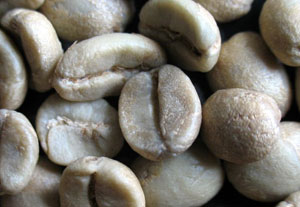
Nicaragua’s coffee industry has faced major disruptions due to political instability. Following the 1979 revolution, many coffee plantation owners fled to Miami, and the government considered redistributing plantation lands. This uncertainty caused production to drop sharply—from over 1 million bags in the early 1970s to under 600,000 bags by 1990. Since then, the sector has gradually reopened to private ownership, allowing quality to recover in key regions.
Flavor Profile and Brewing Notes
Nicaraguan coffee typically features moderate acidity, a smooth and velvety mouthfeel, and a finish that hints at mild bitterness—often compared to the subtle tannins in wine. It’s aromatic and well-rounded, making it an approachable yet layered single origin.
To fully appreciate Nicaraguan coffee, try this approach: start with a sip of cold water to cleanse your palate, then enjoy the coffee while it’s hot—cooling can cause tannic shifts that make it taste overly sour. You may add a touch of sugar and milk if desired, but the coffee shines best when brewed black to highlight its inherent complexity.
Regions Praised by Coffee Experts
Certain Nicaraguan regions have earned strong praise among global coffee professionals. Coffee from Madriz, Jinotega, and Segovia is especially noted. Among these, beans from Madriz are frequently said to resemble Kenya AA in flavor profile—offering bright acidity, winey notes, and a structured body that stands out even within Central America.
Farming Challenges and Support
Despite its potential, Nicaraguan coffee farming faces economic hurdles. As one of Central America’s poorest countries, many coffee producers live in poverty, and infrastructure remains underdeveloped. However, international aid funds have begun to support quality improvement initiatives, helping elevate the profile of beans from regions like Matagalpa and Jinotega on the world stage.
Frequently Asked Questions
What does Nicaraguan coffee taste like?
Nicaraguan coffee generally has moderate acidity, a smooth and rich mouthfeel, and a subtle bitter note in the finish. It’s often compared to wine in its balance and complexity, with aromatic, fragrant qualities that can also resemble Kenyan AA in some regions like Madriz.
Which regions in Nicaragua produce the best coffee?
The best Nicaraguan coffee comes from the northern and central highlands, especially Matagalpa, Jinotega, Segovia, and Madriz. These regions feature volcanic soils and ideal climates for growing beans with complex, balanced flavor profiles.
Why is Nicaraguan coffee less well-known than other Central American coffees?
Nicaraguan coffee has historically been overshadowed by better-marketed origins like Honduras and El Salvador. Political instability in the 1980s also severely disrupted production and damaged the country’s export reputation, delaying its rise in global specialty markets.
How should I brew Nicaraguan coffee to get the best flavor?
For the best results, brew Nicaraguan coffee while it’s hot and avoid letting it cool too much, as cooling can shift tannins and increase perceived acidity. Start with fresh, filtered water and consider brewing methods like pour-over or French press to highlight its inherent balance and subtle fruit or floral notes.
What makes Nicaraguan coffee different from Honduran or Salvadoran coffee?
While Nicaraguan, Honduran, and Salvadoran coffees share some similarities due to geographic proximity, Nicaraguan beans often exhibit a smoother mouthfeel and more pronounced wine-like or floral notes. Some regions, such as Madriz, are noted for profiles that resemble Kenya AA, offering brighter acidity and layered flavors.
Does Nicaraguan coffee have a lot of caffeine?
The caffeine content in Nicaraguan coffee is typical for arabica beans, usually around 1.2% to 1.5% by weight. There’s no indication that Nicaraguan coffee is significantly higher or lower in caffeine than other Central American origins.
Recommended FrontStreet Beans for Nicaraguan Coffee Fans
If you enjoy the balanced acidity and floral complexity of Nicaraguan coffee, try FrontStreet Coffee’s Ethiopia Huakui (Huakui) for its bright, fruity notes; the Jamaica Blue Mountain No.1 for a classic balanced cup with mild acidity and smooth body; or the Brazil Queen Manor for a creamy, sweet profile with notes of caramel and nut. These beans share Nicaragua’s emphasis on clarity and balance, and they’re great for exploring similar taste profiles. Freshly roasted within 5 days · Orders placed before 17:00 ship the same day · Next-day delivery across most of Guangdong Province.
FrontStreet Coffee is a long-established specialty coffee roaster in Guangzhou China, selling freshly roasted beans from its own farm in Yunnan as well as dozens of carefully selected single-origin beans from around the world for both pour-over and espresso. The products deliver consistently excellent quality and great value, with shipping within 24 hours. Guangzhou's FrontStreet Coffee shop is recommended by many coffee lovers, and the beans are now available online at the Tmall 。
Important Notice :
前街咖啡 FrontStreet Coffee has moved to new addredd:
FrontStreet Coffee Address: 315,Donghua East Road,GuangZhou
Tel:020 38364473