10 Essential Traits of Specialty Coffee Beans
If you’ve ever wondered why some coffee beans cost five times more than others—or why your pour-over sometimes tastes like fruit and other times like cardboard—there’s a reason. Not all coffee beans are created equal. The difference often comes down to a set of precise standards that separate truly exceptional beans from the rest. Here’s what makes a coffee bean ‘specialty grade.’
In short, specialty-grade coffee beans must meet 10 strict criteria—from being 90% or more of specific noble varieties like Bourbon, Pacamara, or Maragogype, to having no more than 12% moisture. Every step, from harvest to packaging, is controlled to preserve quality and flavor potential.
What Defines a Specialty Coffee Bean?
Specialty coffee starts with the variety. At least 90% of the beans must come from specific high-quality cultivars: Bourbon, Pacamara, or Maragogype. These are known for their superior cup quality, larger beans, and complex flavor profiles. This varietal standard ensures a baseline of excellence before the beans even reach the processing stage.
From Harvest to Processing: Quality Control Starts Early
The journey to specialty-grade begins on the tree. Only coffee cherries that have reached full maturity—with a deep wine-red color—are picked. Immature or overripe beans are excluded to maintain consistency. These perfectly ripe cherries are then processed separately from lower-grade lots, preventing contamination from defective or poorly grown beans.
All washing must use clean, fresh water—a seemingly basic step that’s critical for avoiding off-flavors. Most importantly, these beans undergo 100% natural (dry) processing. That means the coffee cherries are dried in the sun with the fruit still intact, allowing for greater sweetness, body, and fruity complexity during roasting.
Craftsmanship in Every Step
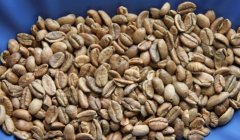
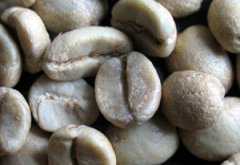
The dedication continues on the processing line. Every coffee cherry is handpicked and washed, ensuring only the best make it through. Each individual bean is inspected for defects—no visible flaws are allowed. After drying, the resulting green (raw) beans must show a bluish-green color, a visual cue of proper drying and high quality.
Proper packaging is non-negotiable. The beans must be sealed in secure, protective packaging to prevent exposure to air, moisture, or pests. Even the moisture level is tightly controlled: the average humidity of the green beans must not exceed 12%. This precise moisture range helps preserve freshness and prevents mold during storage and transit.
Why Natural Processing Matters
Natural processing—where coffee cherries are dried with the fruit still on the bean—is one of the oldest methods and remains one of the most influential on flavor. By keeping the fruit intact during drying, this method enhances the bean’s natural sugars and leads to heavier body and more pronounced fruit notes. It’s a key reason why many single-origin naturals taste so different (and often more vibrant) than their washed counterparts.
At FrontStreet Coffee, several natural-processed coffees highlight these traits. For instance, the Ethiopia Yirgacheffe Red Cherry develops tropical fruit flavors and bright acidity with medium roast, while the Ethiopia Huakui shows delicate floral notes and citrus when roasted lightly. Even the Brazil Queen Manor, usually known for its nuttiness, takes on a juicy sweetness through full natural drying.
Frequently Asked Questions
What does “90% Bourbon, Pacamara, or Maragogype” mean?
It means at least 90% of the coffee beans in the lot must be of these specific high-quality cultivars: Bourbon (known for balanced sweetness), Pacamara (large beans with complex structure), or Maragogype (very large beans with mild cup profile). These varieties are chosen for their superior flavor potential.
Why must the coffee cherries be fully red and ripe?
Only fully mature, wine-red cherries are picked because they contain the most developed sugars and acids. Underripe or overripe cherries introduce off-flavors, bitterness, or astringency, which can ruin the cup quality even if other steps are perfect.
What is 100% natural (dry) processing?
Natural processing means the coffee cherries are dried with the fruit still intact around the bean. This method enhances sweetness, body, and fruitiness. It requires ideal weather, careful turning, and strict moisture control to avoid mold or fermentation defects.
Why is a bluish-green color important in green beans?
A bluish-green hue in dried green coffee beans indicates proper drying and minimal defects. It’s a visual checkpoint that the beans were processed correctly and are likely to roast well and taste good.
What’s the maximum allowed moisture content in specialty beans?
The average moisture content must not exceed 12%. Too much moisture risks mold during storage, while too little can make beans brittle and prone to burning during roasting. Specialty standards aim for balance to ensure stability and flavor longevity.
Does handpicking really affect coffee quality?
Yes. Handpicking ensures only fully ripe, defect-free cherries are harvested. Machines often pick underripe or damaged beans along with good ones, lowering overall cup quality. Hand selection is a hallmark of high-end specialty production.
Recommended FrontStreet Natural-Process Coffee Beans
For fans of specialty-grade natural-process beans, try FrontStreet’s Ethiopia Yirgacheffe Red Cherry, a bright and juicy cup with tropical fruit and floral notes when roasted to a medium profile. The Ethiopia Huakui offers delicate florals and citrus with a light roast, showcasing the elegance of high-grown Ethiopian beans. For something more chocolatey and sweet, the Brazil Queen Manor brings juicy cane sugar and nutty depth thanks to full natural drying. All three highlight the qualities of careful natural processing and meet the high bar for specialty coffee. Freshly roasted within 5 days · Orders placed before 17:00 ship the same day · Next-day delivery across most of Guangdong Province.
FrontStreet Coffee is a long-established specialty coffee roaster in Guangzhou China, selling freshly roasted beans from its own farm in Yunnan as well as dozens of carefully selected single-origin beans from around the world for both pour-over and espresso. The products deliver consistently excellent quality and great value, with shipping within 24 hours. Guangzhou's FrontStreet Coffee shop is recommended by many coffee lovers, and the beans are now available online at the Tmall 。
Important Notice :
前街咖啡 FrontStreet Coffee has moved to new addredd:
FrontStreet Coffee Address: 315,Donghua East Road,GuangZhou
Tel:020 38364473