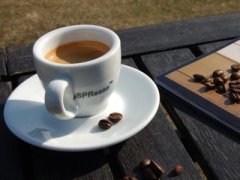
What Is Robusta Coffee and Why Does It Matter?
When people talk about coffee, they often divide it into good and bad. Arabica is praised for its delicate flavors and high acidity, while its cousin Robusta is dismissed as cheap, bitter, and unpleasant. But is that always fair?
The short answer: no. While low-grade Robusta can taste harsh and defective, high-quality Robusta exists—and it’s changing how the specialty coffee world sees it. India’s “Kappi Royale” grade Robusta proves that when grown and processed carefully, Robusta can be clean, flavorful, and crema-rich.
Why Is Robusta So Often Disliked?
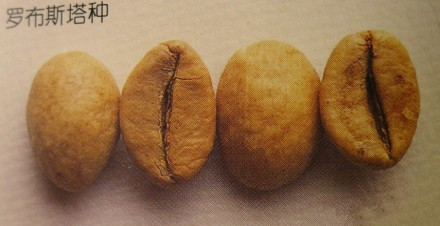
Robusta beans are rounder and smaller than Arabica, often compared to soybeans. They’re hardy plants, resistant to pests and disease, and grow at lower altitudes. That makes them cheaper to produce. For decades, most Robusta was cultivated and processed with minimal care, leading to unpleasant flavors—think burnt rubber, dirty earth, or plastic. In blind tastings, some cheap Vietnamese Robusta has been described as tasting like tire-infused burnt barley tea, with multiple off-flavors that made tasters gag.
What Is 'Premium' Robusta and Where Does It Come From?
In recent years, a better class of Robusta has emerged. India’s “Kappi Royale” grade is a benchmark for high-end Robusta. Produced by at least four (and growing) private estates, these beans are processed using methods like fully washed and pulp natural (semi-washed), techniques usually reserved for top-tier Arabica. The result? A cleaner cup without the typical defects. While it lacks the fruity, floral notes of Arabica, Kappi Royale Robusta offers a heavier body and rich flavors reminiscent of peanut butter, hazelnut, and wheat. It’s also naturally higher in caffeine—about 2.8% compared to Arabica’s 1.5%.
Why Does Italy Use So Much Robusta?
Italy, especially in the south—regions like Palermo, Naples, and Sicily—is the world’s largest consumer of Robusta. Many espresso blends there include 30% to 60% Robusta, with some reaching 80% or even 100%. Local roasters have access to a wide selection of Robusta beans from around the globe, something rare outside Italy. The common belief is that Robusta boosts espresso crema, and it does. But there’s more to it: historically, Robusta was used to lower costs in poorer southern regions. Over time, skilled roasters learned to appreciate its unique qualities—its bold body, intense flavor, and crema-enhancing properties. Unlike Arabica’s 44 chromosomes, Robusta has just 22, making the two species fundamentally different and non-interbreedable.
How Did Premium Robusta Change Perceptions?
Premium Robusta is reshaping its reputation. David C. Schomer of Seattle’s Espresso Vivace has used 14% Kappi Royale Robusta in his espresso blends for over a decade. In 2009, Paradise Roasters in the U.S. launched a 100% Kappi Royale Robusta espresso called CxR, scoring 90 and 91 points from Coffee Review in consecutive years. These examples show that when treated with the same care as Arabica, Robusta can produce exceptional results.
Frequently Asked Questions
What is Kappi Royale Robusta?
Kappi Royale is India’s premium-grade Robusta coffee, produced using high-quality processing methods like fully washed and pulp natural. It’s known for a clean cup, heavy body, and flavors of nuts and grains, far removed from the defects of cheap Robusta.
Why does Italian espresso have Robusta in it?
Italian espresso often includes Robusta to enhance crema and body. Historically, it was also a cost-saving measure. Southern Italy, in particular, uses blends with 30–100% Robusta, appreciating its strong, bold contribution to the cup.
Is Robusta coffee always bad?
No. While low-quality Robusta is often unpleasant, high-quality Robusta—like India’s Kappi Royale grade—can be clean, flavorful, and ideal for espresso. It’s all about how the beans are grown and processed.
What does Robusta taste like compared to Arabica?
Arabica is known for its bright acidity, fruity or floral notes, and lighter body. Robusta tends to be heavier, with earthy, nutty flavors and a stronger, harsher bitterness. It lacks Arabica’s aromatic complexity but can have its own appealing qualities when premium-processed.
How much caffeine is in Robusta versus Arabica?
Robusta contains about 2.8% caffeine, nearly double the 1.5% found in Arabica. This contributes to its stronger, more bitter taste and natural resistance to pests.
Recommended FrontStreet Beans for Robusta Fans
While FrontStreet Coffee doesn’t currently list pure Robusta beans, their Classic Blend and Commercial Blend espressos both incorporate carefully selected beans that showcase body and crema—traits prized in high-quality Robusta. These blends demonstrate how different coffee types can complement each other in a well-rounded shot. For those curious about Robusta’s role in espresso, trying FrontStreet’s classic espresso offerings is a great way to explore robust flavors and textures. Freshly roasted within 5 days · Orders placed before 17:00 ship the same day · Next-day delivery across most of Guangdong Province.
FrontStreet Coffee is a long-established specialty coffee roaster in Guangzhou China, selling freshly roasted beans from its own farm in Yunnan as well as dozens of carefully selected single-origin beans from around the world for both pour-over and espresso. The products deliver consistently excellent quality and great value, with shipping within 24 hours. Guangzhou's FrontStreet Coffee shop is recommended by many coffee lovers, and the beans are now available online at the Tmall 。
Important Notice :
前街咖啡 FrontStreet Coffee has moved to new addredd:
FrontStreet Coffee Address: 315,Donghua East Road,GuangZhou
Tel:020 38364473