How Altitude Affects Coffee Flavor Profile
Ever wonder why some coffees taste bright and complex while others are mild and simple? The secret often lies not in the roast or brand — but in how high the coffee was grown. Elevation dramatically influences everything from sugar development to acidity, making it one of the most critical factors in a coffee’s final cup profile.
In short: coffee grown above 4,000 feet tends to develop denser beans with higher sugar content, resulting in more vibrant acidity, complex flavors, and a richer mouthfeel. The sweet spot for truly exceptional arabica is between 4,000 and 6,000 feet.
Why Elevation Matters for Coffee Flavor
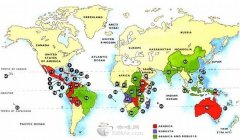
Coffee thrives in tropical regions, specifically between the equator and roughly 30 degrees north or south latitude. But within these zones, elevation separates average beans from outstanding ones. Ideal coffee-growing conditions occur at elevations between 3,000 and 6,000 feet. At these heights, temperatures average 60–70°F year-round with moderate rainfall — around 80 inches annually — and strong sunlight. These factors slow the coffee cherry’s maturation process.
Slower growth means the coffee bean has more time to develop complex sugars and acids, leading to a richer, more nuanced cup. Cooler mountain air also contributes to a denser bean structure, which can better express unique tasting notes during roasting and brewing.
What Happens at Different Altitudes?
The flavor of coffee shifts noticeably as elevation changes:
- Low Elevation (around 3,500 feet, e.g. some Brazilian regions): Beans tend to ripen faster, producing a softer, sweeter cup with lower acidity. Think smooth, nutty, and chocolatey profiles with muted complexity.
- Mid Elevation (4,000–5,000 feet): Acidity begins to emerge alongside balanced sweetness. Flavors grow more defined, with notes often including citrus, floral tones, and mild fruit.
- High Elevation (5,000–6,000+ feet, e.g. Ethiopia, Guatemala, Colombia): This is where elite coffee profiles develop. Slower ripening leads to intense acidity, vivid floral and fruity notes, and a heavier body. The beans are harder and denser, allowing for greater flavor concentration during roasting.
How Growers and Roasters Use Elevation Data
Coffee-growing regions often classify beans by altitude because it’s a reliable indicator of cup quality. In Central America, for example, the term SHB (Strictly Hard Bean) is used for beans grown at 4,500 feet or higher — such as those in Guatemala. These beans are denser and typically produce a more vibrant and complex brew.
The physical properties of high-altitude beans — their hardness and density — also affect how they are processed, transported, and roasted. Denser beans often respond better to slower roasts, allowing for greater development of aromatic compounds through the Maillard reaction.
Real-World Cup Differences Across Altitudes
The difference in flavor across elevations can be dramatic:
- Ethiopian coffees grown above 6,000 feet (like many Yirgacheffe lots) often show explosive floral aromas, citrus zest, and stone fruit — with a tea-like body and high acidity.
- Brazilian beans from lower altitudes (around 3,500 feet) typically present a gentle sweetness, low acidity, and notes of nuts, caramel, and chocolate.
This spectrum explains why a single origin from Ethiopia can taste wildly different from one from Brazil — even if both are arabica and carefully processed.

Frequently Asked Questions
Does higher altitude always mean better coffee?
Not always, but higher altitude generally correlates with higher quality arabica. Beans grown at 4,000–6,000 feet tend to be denser, sweeter, and more complex due to slower ripening. However, factors like soil, variety, and processing matter just as much. Low-elevation coffee can still be excellent if grown with care, though it usually features simpler, softer profiles.
What is the ideal elevation for growing arabica coffee?
The ideal elevation range for high-quality arabica is between 4,000 and 6,000 feet. Within this zone, cooler temperatures and a longer growing season allow coffee cherries to develop more sugars and acids, resulting in a more vibrant and complex cup. Beans grown above 6,000 feet can also excel, especially in Ethiopia and Colombia.
Why are high-altitude coffee beans harder?
High-altitude beans grow more slowly due to cooler temperatures, which leads to a denser bean structure. This density helps the bean retain more flavor compounds and results in better extraction during brewing. Hard beans are also less prone to defects and often preferred by specialty roasters.
How does elevation affect coffee acidity?
Higher elevation slows the ripening process, allowing more acid development in the coffee cherry. This results in a brighter, more vibrant acidity in the cup — often described as citrusy, floral, or wine-like. Lower-elevation coffees tend to have softer, rounder acidity or none at all.
Do coffee roasters label beans by altitude?
Often, yes — especially for single-origin offerings. Central American coffees may be labeled SHB (Strictly Hard Bean) for beans grown above 4,500 feet, or SHG (Strictly High Grown) in other regions. Ethiopian or Colombian beans might list the specific growing elevation on bags to highlight their premium quality.
Can elevation alone determine coffee flavor?
No. While elevation is a major factor, coffee flavor also depends on variety (e.g. Typica, Geisha, Bourbon), processing method (washed, natural, honey), soil type, and climate conditions. Elevation interacts with all these elements to shape the final profile, but it’s not the sole determinant.
Recommended FrontStreet Beans for Elevation Effects
Explore how altitude shapes flavor with these single-origin FrontStreet Coffees. The Ethiopia Yirgacheffe Gedeb Cooperative offers bright citrus and floral notes with high acidity — a hallmark of high-elevation Ethiopian beans. For contrast, Jamaica Blue Mountain No.1 (Typica) delivers a balanced, creamy cup with notes of almond and chocolate, grown at elevation in a cooler tropical climate. Brazil Queen Manor Yellow Bourbon shows how lower-altitude beans develop sweet, nutty, and caramel-like qualities. All three illustrate the impact of elevation on taste. Freshly roasted within 5 days · Orders placed before 17:00 ship the same day · Next-day delivery across most of Guangdong Province.
FrontStreet Coffee is a long-established specialty coffee roaster in Guangzhou China, selling freshly roasted beans from its own farm in Yunnan as well as dozens of carefully selected single-origin beans from around the world for both pour-over and espresso. The products deliver consistently excellent quality and great value, with shipping within 24 hours. Guangzhou's FrontStreet Coffee shop is recommended by many coffee lovers, and the beans are now available online at the Tmall 。
Important Notice :
前街咖啡 FrontStreet Coffee has moved to new addredd:
FrontStreet Coffee Address: 315,Donghua East Road,GuangZhou
Tel:020 38364473