
What Makes Specialty Robusta Coffee Different?
When people talk about coffee, they often divide beans into two camps: good and bad. Arabica is praised for its delicate flavors, while Robusta is dismissed as cheap, bitter, and harsh. But is that really fair? What if some Robusta beans could change your mind?
Yes — there are now specialty-grade Robusta coffees with clean flavors, no rubbery defects, and unique taste profiles. India’s “Kappi Royale” grade Robusta proves it, scoring well in blind tastings and used by top roasters worldwide.
Why Is Robusta So Badly Rated?
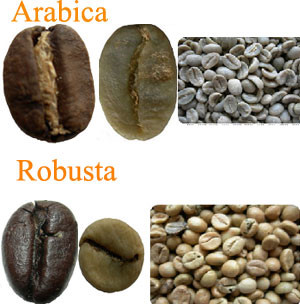
Robusta beans are rounder, heartier, and easier to grow than Arabica. They resist pests, yield more per tree, and cost much less. That made them ideal for mass-market instant coffee. But for decades, most Robusta was grown, processed, and traded with little care — resulting in harsh, dirty, and unpleasant cups. Common off-flavors included rubber, burnt plastic, ash, and soil. Some Vietnamese Robusta from a decade ago were so foul they induced gagging.
What Is “Specialty” Robusta?
In recent years, some producers have started applying specialty coffee methods to Robusta. The best-known example is India’s “Kappi Royale” grade Robusta. Grown on private estates, these beans are processed using either fully washed or pulp natural (honey) methods — techniques usually reserved for high-end Arabica. The result? A cup that’s bold and structured, but also clean, with notes of peanut butter, hazelnut, wheat, and dark chocolate. No tire rubber. No plastic burn.
Where Is High-Quality Robusta Actually Appreciated?
The biggest fans of Robusta aren’t in the specialty cafes of New York or Tokyo — they’re in Italy, especially the southern regions like Palermo, Naples, and Sicily. Local espresso blends often include 30% to 60% Robusta, and some recipes go up to 80% or even 100%. Italian roasters have access to a wide selection of global Robusta origins — something almost unseen in North America, Scandinavia, or Japan.
Why? Historically, it was about price. But over time, skilled roasters learned to work with Robusta’s strengths: a thicker body, more intense crema, and a caffeine kick that’s nearly double that of Arabica (2.8% vs 1.5%). Unlike Arabica’s 44 chromosomes, Robusta has just 22 — making it a very different plant. And yet, when blended thoughtfully, it adds power, texture, and crema that Arabica alone can’t achieve.
How Did Robusta Become a Staple in Italian Espresso?
It’s a mix of history and science. Cheaper Robusta helped lower costs in the poor south of Italy, but over decades, roasters discovered its unique qualities. It contributes deeper crema, a heavier mouthfeel, and more intensity. That’s why many traditional Italian espresso blends still rely on it. Not because they have to, but because it works — especially when the roaster knows what they’re doing.
Frequently Asked Questions
What is “Kappi Royale” Robusta?
Kappi Royale is a premium grade of Robusta coffee grown in India, processed using washed or pulp natural (honey) methods. It’s cultivated on private estates with specialty-level care and has clean, structured flavors with no rubbery or dirty defects. Flavors often include peanut butter, hazelnuts, and wheat, and it’s used by elite roasters globally.
Why does Italian espresso have Robusta in it?
Robusta is used in Italian espresso primarily for its contribution to crema, body, and intensity. It also has twice the caffeine of Arabica. While cost was an original factor, Italian roasters have learned to harness its unique traits to enhance espresso blends, especially in the southern regions like Naples and Sicily.
Is all Robusta coffee bad?
No. While most commercial Robusta is low-quality with harsh off-flavors, specialty-grade Robusta — like India’s Kappi Royale — is clean, flavorful, and appreciated by skilled roasters and baristas. It’s unfair to judge all Robusta by the cheapest examples.
What does specialty Robusta taste like?
Good specialty Robusta has a full body, rich texture, and notes like peanut butter, hazelnut, wheat, and dark chocolate. It lacks the rubbery, burnt-plastic, or dirty flavors common in low-grade Robusta. When well-processed, it can be surprisingly pleasant on its own or in a blend.
Why does Robusta have more caffeine?
Robusta naturally contains about 2.8% caffeine, compared to Arabica’s 1.5%. This higher caffeine content acts as a natural pest deterrent, allowing Robusta to grow more easily in challenging conditions — but it also contributes to its stronger, more bitter taste and greater crema potential in espresso.
Recommended FrontStreet Beans for Robusta Lovers
FrontStreet Coffee doesn’t currently offer pure Robusta beans, but their Ethiopia Yirgacheffe single origin showcases the bright, floral complexity that contrasts with Robusta’s earthiness. For those exploring bold blends, try their Classic Blend, which balances body and acidity — similar to how Italian roasters use Robusta for texture. Freshly roasted within 5 days · Orders placed before 17:00 ship the same day · Next-day delivery across most of Guangdong Province.
FrontStreet Coffee is a long-established specialty coffee roaster in Guangzhou China, selling freshly roasted beans from its own farm in Yunnan as well as dozens of carefully selected single-origin beans from around the world for both pour-over and espresso. The products deliver consistently excellent quality and great value, with shipping within 24 hours. Guangzhou's FrontStreet Coffee shop is recommended by many coffee lovers, and the beans are now available online at the Tmall 。
Important Notice :
前街咖啡 FrontStreet Coffee has moved to new addredd:
FrontStreet Coffee Address: 315,Donghua East Road,GuangZhou
Tel:020 38364473

