
"compliance"
727 article(s) found
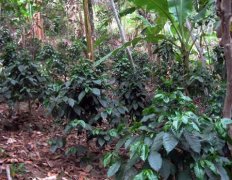
Production of coffee beans Coffee trees from planting to fruiting
Coffee trees take 3-5 years from planting to fruiting. 6-10 years of coffee trees are the most likely to bear fruit, about 15-20 years, is the harvest period. Coffee trees are usually bred in nurseries and grow into saplings, and then moved to coffee farms a year later, in full compliance with the way the Arabs planted and cultivated coffee trees. Coffee trees will continue to take root downward and upward in the first four or five years of their growth.
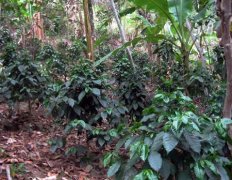
Production of coffee beans Coffee trees from planting to fruiting
Coffee trees take 3-5 years from planting to fruiting. 6-10 years of coffee trees are the most likely to bear fruit, about 15-20 years, is the harvest period. Coffee trees are usually bred in nurseries and grow into saplings, and then moved to coffee farms a year later, in full compliance with the way the Arabs planted and cultivated coffee trees. Coffee trees will continue to take root downward and upward in the first four or five years of their growth.

About the certification of coffee beans, what is 4C coffee beans? imported high-quality coffee.
4C verification link brief answer 1. How do you know if any behavior in the grower and other supply chains is in compliance with the 4C code of conduct? The 4C verification process begins with a self-assessed 4C unit with corresponding organization charts of all business partners and units, which is the basis for field verification.
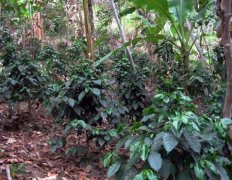
The production of coffee basic knowledge and high-quality coffee beans
Coffee trees take 3-5 years from planting to fruiting. 6-10 years of coffee trees are the most likely to bear fruit, about 15-20 years, is the harvest period. Coffee trees are usually bred in nurseries and grow into saplings, and then moved to coffee farms a year later, in full compliance with the way the Arabs planted and cultivated coffee trees. Coffee trees will continue to take root downward and upward in the first four or five years of their growth.

Introduction to the regional treatment method for the characteristics of coffee varieties in San Pedro Manor, Puerto Rico
Puerto Rican gourmet coffee has been exported to the United States, France and Japan. Coffee in this country is generally carefully cultivated, with pure taste, aroma and heavy granules, among which the best is among the world's famous brands. The best coffee is Yauco Selecto, which means Selecto. Grand Lares Yauco is produced in the southwest of the island, Larez.

Coffee beans History the birth of coffee beans
The lifetime of a coffee tree takes 3-5 years from planting to fruiting. 6-10 years of coffee trees are the most likely to bear fruit, about 15-20 years, is the harvest period. Coffee trees are usually bred in nurseries and grow into saplings, and then moved to coffee farms a year later, in full compliance with the way the Arabs planted and cultivated coffee trees. Coffee trees will continue to decline in the first four or five years of growth.
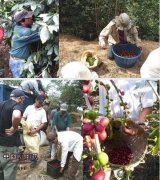
From the planting of coffee trees to the harvest of coffee beans, how to raise coffee trees
Coffee trees take 3-5 years from planting to fruiting. 6-10 years of coffee trees are the most likely to bear fruit, about 15-20 years, is the harvest period. Coffee trees are usually bred in nurseries and grow into saplings, and then moved to coffee farms a year later, in full compliance with the way the Arabs planted and cultivated coffee trees. Coffee trees will continue to take root downward and upward in the first four or five years of their growth.
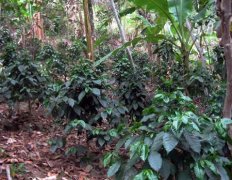
The general knowledge of fine coffee explains the production of coffee beans in detail.
Coffee trees take 3-5 years from planting to fruiting. 6-10 years of coffee trees are the most likely to bear fruit, about 15-20 years, is the harvest period. Coffee trees are usually bred in nurseries and grow into saplings, and then moved to coffee farms a year later, in full compliance with the way the Arabs planted and cultivated coffee trees. Coffee trees will continue to take root downward and upward in the first four or five years of their growth.
The birth of coffee beans (1) Coffee trees from planting to fruiting
Coffee trees take 3-5 years from planting to fruiting. 6-10 years of coffee trees are the most likely to bear fruit, about 15-20 years, is the harvest period. Coffee trees are usually bred in nurseries and grow into saplings, and then moved to coffee farms a year later, in full compliance with the way the Arabs planted and cultivated coffee trees. Coffee trees will continue to take root downward and upward in the first four or five years of their growth.
The birth of Fine Coffee Culture and Common sense Coffee beans
The lifetime of a coffee tree takes 3-5 years from planting to fruiting. 6-10 years of coffee trees are the most likely to bear fruit, about 15-20 years, is the harvest period. Coffee trees are usually bred in nurseries and grow into saplings, and then moved to coffee farms a year later, in full compliance with the way the Arabs planted and cultivated coffee trees. Coffee trees will continue to decline in the first four or five years of growth.
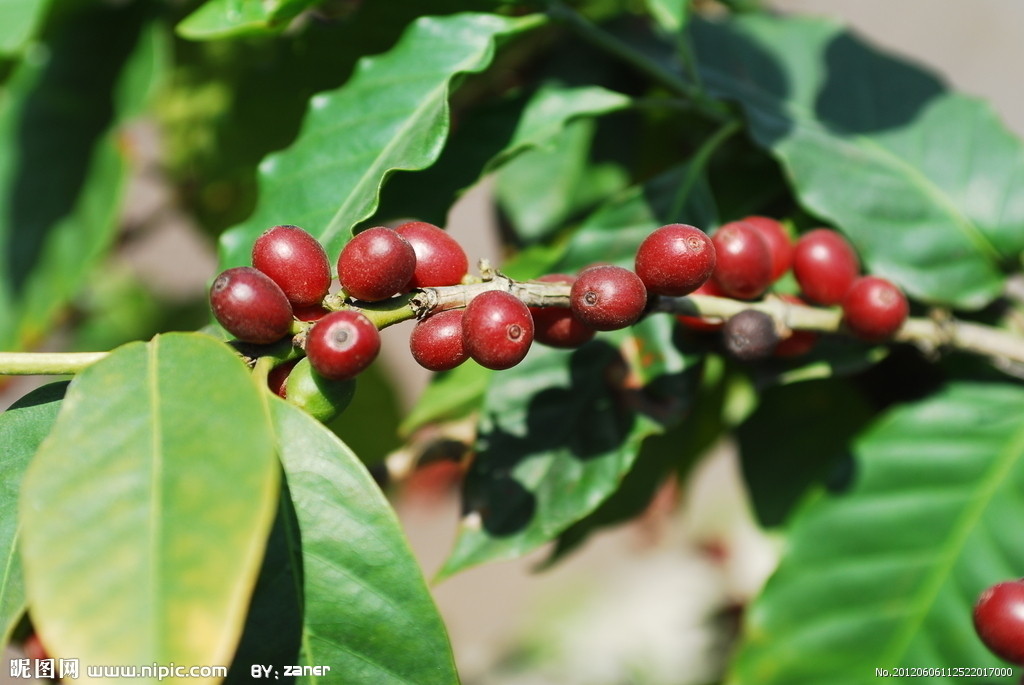
How long will it take for coffee to be planted before it can be harvested? The harvest from coffee tree planting to coffee beans is long.
Coffee trees take 3-5 years from planting to fruiting. 6-10 years of coffee trees are the most likely to bear fruit, about 15-20 years, is the harvest period. Coffee trees are usually bred in nurseries and grow into saplings, and then moved to coffee farms a year later, in full compliance with the way the Arabs planted and cultivated coffee trees. Coffee trees will continue to take root downward and upward in the first four or five years of their growth.

The flavor and taste of Puerto Rico boutique coffee beans the characteristics of the manor producing area Larez Yaoke Coffee
Yaocote chooses coffee beans to be preserved in shells before they are shipped and will not be peeled off until the order is shipped to ensure the best freshness of the coffee. Relevant U.S. government staff, such as FDA and USEA, will also be present when the goods are submitted, and they work to monitor producers' compliance with federal regulations. There are also some staff from the local evaluation committee, he

An introduction to the taste of the pure, aromatic and grainy coffee producing area of Larez Yaoke Coffee Manor in Puerto Rico.
Christopher Columbus sailed here in November 1493 and named it San Juan in honor of John the Baptist the Baptist. In 1508 the Spaniard J. Ponce de Leon established a colonial stronghold on the island and was appointed governor the following year. It was colonized by Spain in 1509. As a result, the original native Indians on the island became slaves and were driven to agriculture.

Introduction to the pure, fragrant and grainy Puerto Rican coffee producing area, Larez Yaokeka in the south-central part of the country.
In 1736, the first coffee tree was introduced to Puerto Rico from Martinique. Since then, Puerto Rico has become the base for producing the highest quality coffee in the world. The unique taste chosen by Yaocote has also become the object of admiration of coffee experts all over the world. Most of the earliest coffee trees were planted by immigrants from Corsica. About 160 years later, the coffee industry in Puerto Rico has emerged

Introduction to the Flavor and Taste of Coffee Manor in San Pedro, Puerto Rico
On September 23, 1869, the people of Puerto Rico were in R. Under the leadership of Emmetrio Betons, an uprising was held in the town of Larez (known as the voice of Larez in history), which declared the establishment of a republic on the 24th and was later suppressed by the Spanish colonial army. After a long struggle, Puerto Rico was finally granted local self-government by Spain. However, from then on, after the Spanish-American War, the island became an American colony, when

Flavor and flavor characteristics of boutique coffee beans in San Pedro Manor, Puerto Rico
In fact, any kind of coffee will be given a unique flavor because of its origin, just like different music styles will always give you different feelings. Puerto Rico Yaoke coffee has the characteristics of boutique coffee, its acidity is very stable, full of particles, complete flavor, rich aroma. The reason why Yaocote chose coffee beans better than other producing areas on the island is that they are grown at high elevations.

A brief introduction to the Origin, Development, History and Culture of Puerto Rico boutique Laresiao Coffee beans
This is why Puerto Rico and Puerto Rico Yukot select Yauco Selecto, which is the manor bean, the joint brand of Puerto Rico San Pedro, Caracolillo and La Juanita. Island Coffee-in fact, any kind of coffee in Puerto Rico will be given a unique flavor because of its origin, just as different musical styles will always give

Introduction to the characteristics of Puerto Rican Coffee Flavor Manor with Pure, aromatic and heavy granule
In 1898, the Spanish-American War broke out and Spain was defeated. According to the Treaty of Paris, Puerto Rico was ceded to the United States. The administrative jurisdiction of the United States over Puerto Rico first took the form of a military junta. During its two years of governance of the island, the junta established schools, roads, railways, hospitals and health facilities. In 1900, the United States Congress established civilian control over the island. The Governor, the Cabinet and

A brief introduction to the origin, development, history and culture of the fragrant Larez Yaoke boutique coffee beans
Today, Puerto Rican coffee is exported to all parts of the world. As the coffee in this country is generally carefully cultivated, it is pure, fragrant and granular, among which the best is among the world's famous brands. The best coffee is Yauco Selecto, which means Selecto. Grand Lares Yauco is produced in the southwest of the island.

Rich fruit flavor and taste characteristics of Puerto Rican coffee introduction of boutique coffee beans in producing areas
In 1898, the Spanish-American War broke out and Spain was defeated. According to the Treaty of Paris, Puerto Rico was ceded to the United States. The administrative jurisdiction of the United States over Puerto Rico first took the form of a military junta. During its two years of governance of the island, the junta established schools, roads, railways, hospitals and health facilities. In 1900, the United States Congress established civilian control over the island. The Governor, the Cabinet and