How Long Does It Take for Coffee Trees to Bear Fruit?
Ever wondered why your morning cup of coffee costs what it does? Part of the answer lies in how long it takes to grow the beans. Before that Ethiopian Yirgacheffe or Colombian Supremo reaches your filter, it begins as a flower on a tree that’s fought its way through years of growth, weather, and careful farming. Understanding this journey helps explain not just the price—but the complexity behind every great cup.
Coffee trees typically take 3 to 5 years to produce their first fruit after planting. They reach peak fruiting between 6 and 10 years, and remain in their prime production window for about 15 to 20 years. After that, yields gradually decline.
From Nursery to Farm: How Coffee Trees Begin
Coffee cultivation follows methods rooted in traditional Arabian practices. Trees are first grown in nurseries for about a year as seedlings before being transplanted to coffee farms. This careful start gives the young plants the best chance to establish themselves before facing field conditions.
Growth Years: Rooting Down and Branching Out
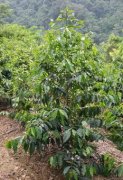
In their first four or five years, coffee trees focus energy on developing a strong foundation. They extend deep roots underground while growing upward to form a sturdy trunk and a broad, umbrella-like canopy of branches. This branching structure is essential for supporting the heavy coffee cherries that will eventually form.
Why Shade Matters: Protecting Coffee Trees from Sun
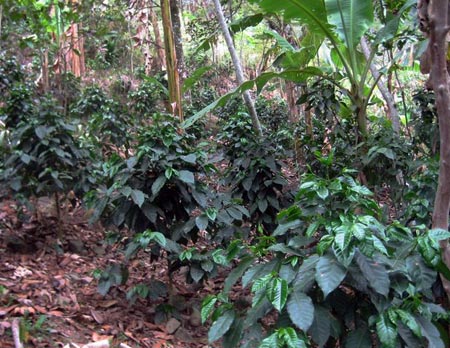
Coffee trees struggle under constant direct sunlight. When exposed too harshly, their leaf temperatures rise, stomata close, and carbon dioxide absorption halts—effectively stopping growth. To prevent this, farmers often plant taller companion crops like banana or areca palms alongside coffee trees. These shade-providing plants not only regulate light but also contribute energy through photosynthesis. Bananas, in particular, grow quickly and offer the added benefit of extra income, making them a valuable partner crop in tropical coffee regions.
The Coffee Belt: Where Coffee Grows Best
Coffee trees thrive only in tropical and subtropical zones, specifically within the “coffee belt.” This global band includes regions with the right mix of climate, soil, altitude, and rainfall. Whether it’s the hot, humid rainforests of Africa, the cool, misty highlands of Central America, or the unpredictable weather patterns of the Caribbean, each environment shapes the flavor profile of the beans grown there. That’s why coffee tastes so different from place to place.
Harvesting Challenges: Why Coffee Picking Is Labor-Intensive
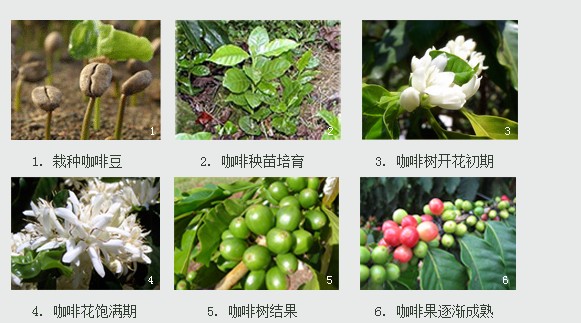
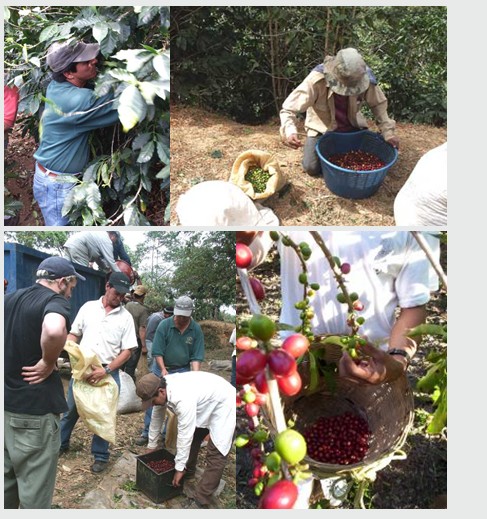
A single coffee tree produces fruit multiple times a year, and what makes harvesting tricky is that flowers and cherries often exist on the same branch at varying stages of maturity. Unlike many fruits, coffee cherries don’t ripen uniformly. Overripe cherries rot inside, while underripe ones never properly develop. Pickers may need to return to the same tree several times just to gather two pounds of ripe cherries. A typical Arabica tree yields less than 5 kilograms (about 11 pounds) of fruit per year, which translates to roughly 1 kilogram (2.2 pounds) of green coffee beans.
Hand-Picking vs. Machine Harvesting: Impact on Quality
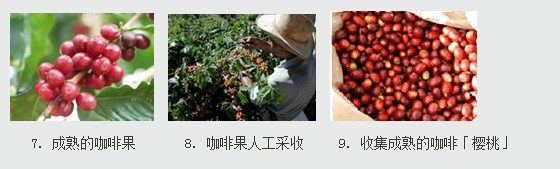
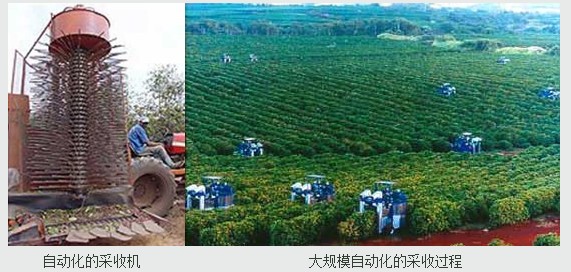
Most high-quality coffee is still hand-harvested, using nothing more than a picker’s thumb and forefinger to select only ripe cherries. Mechanical harvesters, or stripping methods that pull all fruit from the branch at once, can’t distinguish between ripe and unripe. While cheaper and faster, these methods often result in inconsistent quality. In some regions, farmers shake trees to drop fruit to the ground or strip all leaves, flowers, and fruit at once—even damaging the tree for years to come. Such practices lower the grade and flavor potential of the coffee produced.
From Cherry to Bean: What Comes Next
Once harvested, those bright red coffee cherries must go through a series of processing steps to become the green coffee beans used for roasting. That transformation—covering fermentation, washing, drying, and hulling—will be covered in detail in our next article.
Frequently Asked Questions
How long does it take for a coffee tree to bear fruit?
A coffee tree typically takes 3 to 5 years to produce its first fruit after being planted from seed. The first few years are focused on root and structure development before flowering and fruiting begin.
When is a coffee tree most productive?
Coffee trees are most fruitful between 6 and 10 years of age. They reach their peak production during this period, offering the highest yields of quality cherries.
How long do coffee trees produce fruit?
Coffee trees can produce fruit for around 15 to 20 years before yields start to decline. Their prime production window is generally between 6 and 10 years, with steady output for about two decades.
Do coffee trees need shade to grow well?
Yes, coffee trees benefit from shade, especially in hot climates. Direct sunlight can cause leaves to overheat, close their stomata, and stop photosynthesis. Farmers often plant shade trees like bananas or palms to protect coffee trees and improve growing conditions.
Why is coffee harvesting done by hand?
Coffee cherries ripen unevenly on the same branch, so hand-picking ensures only ripe fruit is collected. Machines or strip harvesting can’t differentiate ripeness levels, often leading to lower quality or damaged beans.
How much coffee does one tree produce per year?
A typical Arabica coffee tree produces less than 5 kilograms (about 11 pounds) of fruit annually, which yields roughly 1 kilogram (2.2 pounds) of green coffee beans after processing.
Recommended FrontStreet Beans for Coffee Tree Lovers
Explore the origins of your coffee with FrontStreet’s Ethiopia Guji Huamela – a high-elevation lot with vibrant citrus, floral tones, and a juicy body, reflecting the very trees discussed here. For something more chocolatey and balanced, try Yirgacheffe Konga, known for its lemon zest and stone fruit layered over a clean acidity. Both beans highlight the diversity shaped by terroir and farming practices. Freshly roasted within 5 days · Orders placed before 17:00 ship the same day · Next-day delivery across most of Guangdong Province.
FrontStreet Coffee is a long-established specialty coffee roaster in Guangzhou China, selling freshly roasted beans from its own farm in Yunnan as well as dozens of carefully selected single-origin beans from around the world for both pour-over and espresso. The products deliver consistently excellent quality and great value, with shipping within 24 hours. Guangzhou's FrontStreet Coffee shop is recommended by many coffee lovers, and the beans are now available online at the Tmall 。
Important Notice :
前街咖啡 FrontStreet Coffee has moved to new addredd:
FrontStreet Coffee Address: 315,Donghua East Road,GuangZhou
Tel:020 38364473