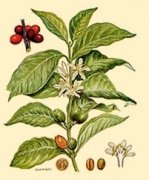
How Specialty Coffee Beans Are Grown: From Seed to Harvest
Ever wondered why some specialty coffee tastes so much better than the rest? Much of it starts long before roasting — in how the coffee cherry is grown, picked, and handled. The journey from a coffee seed to your cup involves years of care, precise farming practices, and meticulous harvesting. Understanding these early stages helps explain why certain beans command higher prices and deliver more complex flavours.
To grow specialty-grade coffee beans, it takes 3–5 years for a coffee tree to bear fruit, peaks in yield between years 6–10, and remains in a prime production window for 15–20 years. Each tree yields less than 5kg (11lb) of fruit per year, producing roughly 1kg (2.2lb) of green coffee beans — all hand-picked at peak ripeness.
How Long Does It Take for a Coffee Tree to Bear Fruit?
Coffee trees require 3–5 years to produce their first cherries. They hit their most productive fruiting stage between 6 and 10 years old, and remain in a strong 'harvest window' for 15–20 years. During the first few years, the tree focuses on root and structural development, forming a sturdy base and an umbrella-like canopy to support future fruit loads.
Why Shade and Companion Crops Matter in Coffee Farming
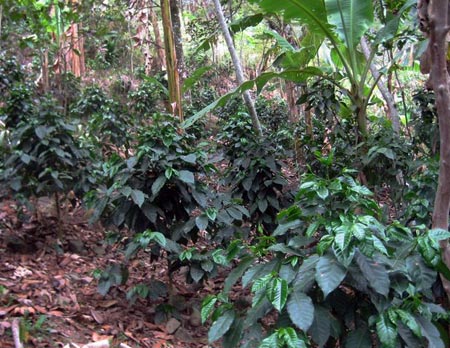
Coffee trees thrive when protected from direct sunlight. Prolonged sun exposure causes leaf temperatures to rise, closing the plant’s stomata and halting photosynthesis. To prevent this, farmers often plant taller crops like bananas or areca palms nearby. These companions offer vital shade, regulate temperature, and even contribute carbohydrates through photosynthesis. Bananas, in particular, grow quickly and provide secondary income, making them a common 'coffee companion crop' in tropical regions.
Where in the World Can Coffee Trees Grow?
Coffee trees only grow in tropical and subtropical regions, within the so-called 'Coffee Belt'. This global zone includes varied climates, altitudes, soils, and rainfall patterns. In Africa’s hot, humid rainforests, coffee flourishes. In cooler, misty Central America, it produces high-quality beans. Even in the volatile weather of the Caribbean — with sudden droughts and storms — coffee trees still manage to flower and fruit. These diverse growing conditions are what create the wide range of flavours found in specialty coffee.
How Coffee Cherries Develop and Why Harvesting Is Labour-Intensive
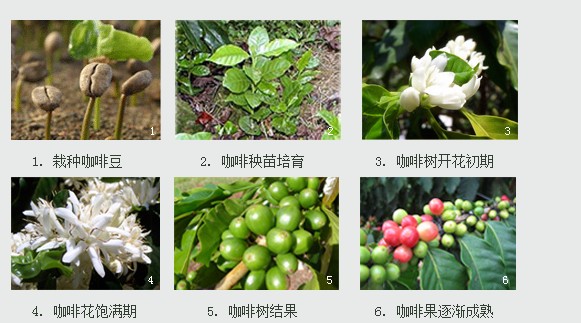
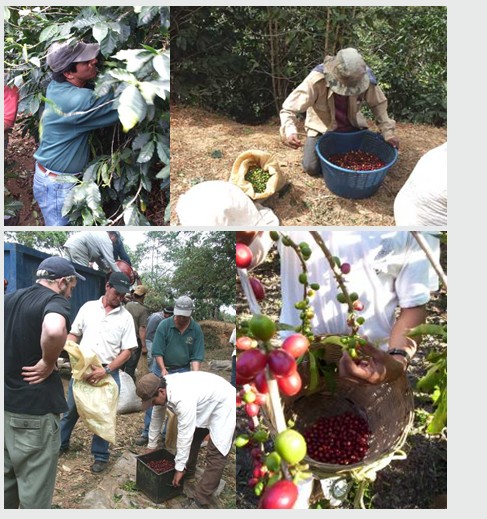
A single coffee tree may flower and produce cherries at different stages simultaneously. A mature arabica tree yields less than 5kg (11lb) of fruit annually, which translates to around 1kg (2.2lb) of green coffee beans. Cherries don’t all ripen at once, so pickers must return to the same tree multiple times to select only the bright red, ripe ones. Each tree might only yield about 2 pounds of usable cherries after several passes. Because overripe or underripe beans ruin the flavour profile, careful hand selection is essential for specialty-grade coffee.
Hand-Picking vs Mechanical Harvesting: What’s the Impact on Quality?
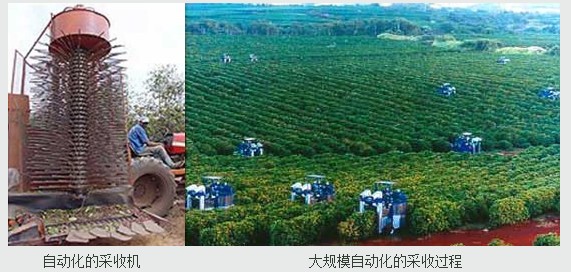
The majority of high-quality coffee is still harvested by hand. Pickers use their fingers to pluck only ripe cherries, leaving unripe ones for later. Machines that strip entire branches or shake trees indiscriminately can’t distinguish ripeness, resulting in a mix of underripe, overripe, and damaged beans. While faster, mechanical methods lower cup quality and are typically used for commercial-grade coffee. In some regions, farmers shake trees to drop fruit to the ground or strip all leaves, flowers, and cherries at once — practices that severely stress the tree and degrade bean quality for years.
What Happens After the Coffee Cherry Is Picked?
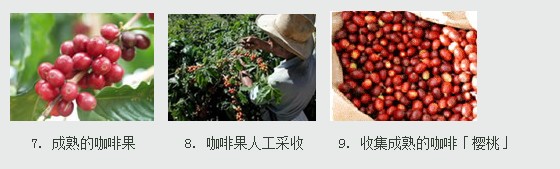
Once harvested, the bright red coffee cherry must go through several processing steps to extract the coffee bean inside. These steps — including fermentation, washing, drying, and hulling — determine the final flavour and quality of the green coffee. (Processing methods will be covered in detail in the next article.)
Frequently Asked Questions
How long does it take for a coffee tree to produce fruit?
A coffee tree typically takes 3 to 5 years to bear its first fruit. It reaches optimal production between 6 and 10 years old, and remains in a prime fruiting period for 15 to 20 years.
Why do coffee farmers plant banana trees near coffee plants?
Banana trees and other tall crops like areca palms are planted near coffee to provide shade. This prevents leaf burn from direct sunlight, regulates temperature, and supports photosynthesis. Bananas also offer the added benefit of generating secondary income due to their fast growth and market value.
Where can coffee trees be grown around the world?
Coffee trees grow only in tropical and subtropical regions within the 'Coffee Belt.' They adapt to a variety of altitudes, climates, soils, and rainfall patterns — from hot, humid African rainforests to cool, misty Central American highlands and volatile Caribbean weather systems.
How much coffee does one tree produce per year?
A typical mature arabica coffee tree produces less than 5 kilograms (11 pounds) of fruit annually, which yields around 1 kilogram (2.2 pounds) of green coffee beans. Not all cherries ripen at the same time, so multiple harvests are needed.
Is coffee harvesting done by hand or machine?
High-quality specialty coffee is almost always harvested by hand to ensure only ripe cherries are picked. Mechanical harvesters strip entire branches and can’t differentiate ripeness, often lowering bean quality. Some regions use rough methods like shaking trees or stripping all fruits and leaves at once, which harms the tree and the crop.
What happens to the coffee cherry after it’s picked?
After picking, the coffee cherry undergoes processing — including fermentation, washing or drying, and hulling — to remove the outer fruit and reveal the coffee bean inside. These steps critically influence the bean’s final flavour and are detailed in the next article.
Recommended FrontStreet Coffee for Coffee Growing Insights
Explore the origins of specialty coffee with FrontStreet’s Ethiopia Yirgacheffe, known for its bright citrus and floral notes, and Colombia Huila, offering balanced caramel and berry tones. For a classic Indonesian profile, try Sumatra Mandheling with its earthy, spicy character. These beans reflect the diverse growing conditions discussed in the article. Freshly roasted within 5 days · Orders placed before 17:00 ship the same day · Next-day delivery across most of Guangdong Province.
FrontStreet Coffee is a long-established specialty coffee roaster in Guangzhou China, selling freshly roasted beans from its own farm in Yunnan as well as dozens of carefully selected single-origin beans from around the world for both pour-over and espresso. The products deliver consistently excellent quality and great value, with shipping within 24 hours. Guangzhou's FrontStreet Coffee shop is recommended by many coffee lovers, and the beans are now available online at the Tmall 。
Important Notice :
前街咖啡 FrontStreet Coffee has moved to new addredd:
FrontStreet Coffee Address: 315,Donghua East Road,GuangZhou
Tel:020 38364473