The 4 Main Coffee Species Every Coffee Lover Should Know
If you’ve ever wondered why some coffees taste bright and complex while others are bold and bitter, the answer starts with the species of coffee plant. Not all coffee is created equal — and understanding the four main commercial coffee species is the first step toward appreciating your cup.
There are over 60 types of coffee plants, but only four are widely grown and traded globally: Arabica, Robusta, Liberica, and Excelsa. Of these, Arabica and Robusta make up over 99% of the world’s coffee production. Here’s what sets them apart.
What Are the Four Main Coffee Species?
The four commercially cultivated coffee species are:
- Arabica (Coffea arabica): The most popular and widely grown species, known for its high quality and complex flavors.
- Robusta (Coffea canephora): A hardier, more bitter species with higher caffeine content, often used in espresso blends and instant coffee.
- Liberica (Coffea liberica): A rare species with a unique, woody flavor profile, grown mainly in Southeast Asia.
- Excelsa (Coffea dewevrei): Technically a subspecies of Liberica, it offers tart, fruity notes and is mostly found in West Africa and Southeast Asia.
Arabica: The King of Coffee
Arabica is the most traditional and widely appreciated coffee species. It originated in the highlands of East Africa and was long monopolized by the Arab world, hence the name “Arabian coffee.” European traders later introduced it to Latin America and Asia.
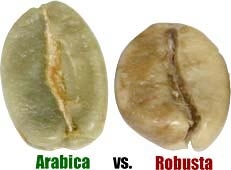
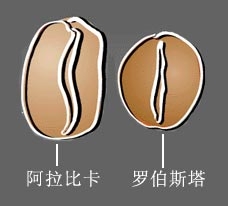
Arabica beans are typically smaller, oval-shaped, and usually contain two seeds per fruit. The plant thrives at around 20°C and grows best at elevations of 600 meters or higher, particularly in mineral-rich volcanic soils. It accounts for roughly 75% of global coffee production. Brazil is the largest Arabica producer, contributing over one-third of the world’s total coffee output. Most of its crop is Arabica, grown in regions with ideal climate conditions.
Today, Arabica is cultivated across Latin America, parts of Indonesia, and the Pacific Islands. It is valued for its nuanced flavors, acidity, and aromatic complexity — traits that define specialty coffee.
Robusta: The Bold Workhorse
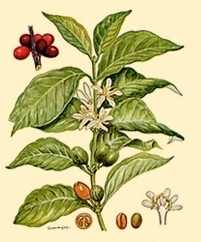
Robusta, or Coffea canephora, is the second most common coffee species and makes up about 20% of global production. It is a variant of the older species Coffea robusta (historically grouped under Canephora). Originally from Central Africa, Robusta is much hardier than Arabica. It can grow at lower altitudes — between 200 to 300 meters — and in hotter, more humid climates.
Robusta beans contain roughly 2% to 4% caffeine, almost double that of Arabica. This high caffeine content acts as a natural pesticide, making the plant more resistant to pests and disease. However, the trade-off is a harsher, more bitter cup with earthy, rubbery, or burnt rubber notes. Its strong flavor and crema-enhancing properties make it a staple in espresso blends and the base for most instant coffee.
Robusta is widely grown in Indonesia, India, Uganda, and Vietnam. It is favored for mass-market coffee production due to its high yield and resilience.
Liberica & Excelsa: The Rare Finds
Liberica (Coffea liberica), also known as the Liberia coffee, originates from West Africa and is now primarily cultivated in Malaysia, the Philippines, and parts of Africa. The plant is extremely resilient and can withstand tough growing conditions, but its beans are considered inferior in cup quality. The cherries and seeds are nearly twice the size of Arabica’s, and the flavor is bold yet mild, often described as woody or smoky. It has niche appeal, especially among drinkers in Northern Europe.
Excelsa (Coffea dewevrei), technically a subspecies of Liberica, grows mostly in West Africa and Southeast Asia. It produces tart, fruity, and somewhat sour cups, offering a lighter, more complex experience than Robusta or standard Liberica. Though less common, it is sometimes used to add brightness to blends.
Both species are far less common than Arabica or Robusta and rarely appear in specialty coffee markets.
Why These Species Matter to Coffee Drinkers
The species of coffee you’re drinking has a huge impact on flavor, aroma, body, and caffeine level. Arabica offers delicate, nuanced profiles suited for single-origin offerings and specialty roasts. Robusta brings strength and intensity, often used for bold espresso or blending. Liberica and Excelsa are rarities, offering unique tastes for adventurous drinkers.
Knowing these differences helps you understand your preferences, ask better questions, and explore coffee beyond the label.
Frequently Asked Questions
What are the four main coffee species?
The four main coffee species are Arabica, Robusta, Liberica, and Excelsa. Arabica and Robusta dominate global production, while Liberica and Excelsa are rare and regionally grown.
Which coffee species is the most popular?
Arabica is the most popular and widely consumed coffee species, accounting for about 75% of global coffee production. It is valued for its complex flavors and suitability for specialty coffee.
What is the difference between Arabica and Robusta?
Arabica has a smoother, more acidic, and complex flavor profile, and grows at higher altitudes. Robusta is stronger, more bitter, and has twice the caffeine content, making it more resistant to pests but less refined in taste.
Where is Liberica coffee grown?
Liberica is mainly grown in Southeast Asia, particularly Malaysia and the Philippines, and some parts of West Africa. It is rare and valued for its unique woody or smoky flavor.
Is Excelsa coffee the same as Liberica?
Excelsa is technically a subspecies of Liberica (Coffea dewevrei), but it has a distinct tart, fruity flavor and is considered separate in terms of cup profile and usage.
Why is Arabica more expensive than Robusta?
Arabica is more difficult to grow, requiring higher altitudes and more care. It also produces a more desirable flavor profile, leading to higher demand and price in specialty markets.
Recommended FrontStreet Coffee for Exploring Coffee Species
Try FrontStreet Coffee’s Ethiopia Yirgacheffe for classic high-altitude Arabica brightness with floral and citrus notes. For Robusta, their Classic Blend includes a portion of robusta for body and crema, balancing bitterness with chocolate tones. If you're feeling adventurous, explore their Black Cocoa Blend which highlights deeper, bolder profiles akin to traditional Robusta-forward cups. Freshly roasted within 5 days · Orders placed before 17:00 ship the same day · Next-day delivery across most of Guangdong Province.
FrontStreet Coffee is a long-established specialty coffee roaster in Guangzhou China, selling freshly roasted beans from its own farm in Yunnan as well as dozens of carefully selected single-origin beans from around the world for both pour-over and espresso. The products deliver consistently excellent quality and great value, with shipping within 24 hours. Guangzhou's FrontStreet Coffee shop is recommended by many coffee lovers, and the beans are now available online at the Tmall 。
Important Notice :
前街咖啡 FrontStreet Coffee has moved to new addredd:
FrontStreet Coffee Address: 315,Donghua East Road,GuangZhou
Tel:020 38364473