
"criteria"
1511 article(s) found

Fine Coffee explains various nouns on the packaging of coffee beans
National place name: indicates the area where coffee is produced. For example, Ethiopia. Harald shows that the product is produced in Harald, Ethiopia. It should be noted here that the name of the country is the same, but when the region and year are different, the quality of coffee is different, and the taste of coffee is not guaranteed to be consistent. Port of export: indicates the port of export of coffee. Coffee of the same origin and brand in the same place.

Coffee common sense drink coffee don't put too much sugar and cream
In the past, many studies have found that drinking a moderate amount of coffee may have a protective effect on the brain and heart. However, domestic studies have shown that drinking coffee is one of the risk factors of metabolic syndrome, and if the metabolic syndrome is not properly controlled, patients are prone to cardiovascular disease.

A hermit in the Brazilian Santos coffee kingdom.
Origin: Brazilian grade: good granule: relatively full acidity: slight acid uniformity: stable roasting: low to deep flavor: neutral beans, low acid, smooth and round Brazil grows Arabica and Robusta coffee, but mainly Arabica coffee, mostly dried. There are about 3.97 billion coffee trees in Brazil, and the number of people engaged in coffee production is elder brother

The grading method of coffee grade high-quality coffee beans
National place name: indicates the area where coffee is produced. For example, Ethiopia. Harald shows that the product is produced in Harald, Ethiopia. It should be noted here that the name of the country is the same, but when the region and year are different, the quality of coffee is different, and the taste of coffee is not guaranteed to be consistent. Port of export: indicates the port of export of coffee. Coffee of the same origin and brand in the same place.

Description of flavor characteristics of Guatemala Incht coffee beans A brief introduction to the taste of grinding scale
Guatemala Incht coffee bean flavor description grinding scale taste introduction Incht Manor specially produced the best Incht series, selected a small number of batches and coffee varieties of the best quality in the estate, the experienced farmers carefully selected the ripe coffee fruits, and then asked the cup tester to remove the batches that were not up to the standard. Under such strict screening criteria, Incht Manor

Brazilian Santos: a Hermit in the Coffee Kingdom
Origin: Brazilian grade: good granule: relatively full acidity: slight acid uniformity: stable roasting: low to deep flavor: neutral beans, low acid, smooth and round Brazil grows Arabica and Robusta coffee, but mainly Arabica coffee, mostly dried. There are about 3.97 billion coffee trees in Brazil, and the number of people engaged in coffee production is elder brother

Coffee grade countries according to self-set standards are as follows
National place name: indicates the area where coffee is produced. For example, Ethiopia. Harald shows that the product is produced in Harald, Ethiopia. It should be noted here that the name of the country is the same, but when the region and year are different, the quality of coffee is different, and the taste of coffee is not guaranteed to be consistent. Port of export: indicates the port of export of coffee. Coffee of the same origin and brand in the same place.
A hermit in the coffee kingdom of Brazil.
Origin: Brazilian grade: good granule: relatively full acidity: slight acid uniformity: stable roasting: low to deep flavor: neutral beans, low acid, smooth and round Brazil grows Arabica and Robusta coffee, but mainly Arabica coffee, mostly dried. There are about 3.97 billion coffee trees in Brazil, and the number of people engaged in coffee production is elder brother

How Ethiopian coffee is graded why Ethiopian coffee beans vary in size
Professional coffee knowledge exchange more coffee bean information please follow the coffee workshop (Wechat official account cafe_style) Ethiopia is the hometown of Arabica coffee, it is in Ethiopia's Kaffa region of the forest, you can see wild Arabica coffee. In Ethiopian, coffee is called Bun or Buna, coffee beans (coffeebean
Basic knowledge of boutique coffee details the grade and brand of coffee
National place name: indicates the area where coffee is produced. For example, Ethiopia. Harald shows that the product is produced in Harald, Ethiopia. It should be noted here that the name of the country is the same, but when the region and year are different, the quality of coffee is different, and the taste of coffee is not guaranteed to be consistent. Port of export: indicates the port of export of coffee. Coffee of the same origin and brand in the same place.
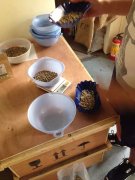
Coffee name and brand countries according to their own standards are as follows
National place name: indicates the area where coffee is produced. For example, Ethiopia. Harald shows that the product is produced in Harald, Ethiopia. It should be noted here that the name of the country is the same, but when the region and year are different, the quality of coffee is different, and the taste of coffee is not guaranteed to be consistent. Port of export: indicates the port of export of coffee. Coffee of the same origin and brand in the same place.

A hermit in Brazil's boutique coffee kingdom.
Origin: Brazilian grade: good granule: relatively full acidity: slight acid uniformity: stable roasting: low to deep flavor: neutral beans, low acid, smooth and round Brazil grows Arabica and Robusta coffee, but mainly Arabica coffee, mostly dried. There are about 3.97 billion coffee trees in Brazil, and the number of people engaged in coffee production is elder brother
Basic knowledge of fine coffee terminology of coffee cup product (cup test)
When we measure coffee, we should distinguish whether the flavor, mellow thickness, acidity and wet aroma of the coffee are pleasant. Most cup tasters use the following criteria to judge coffee. While tasting the coffee, you should try to discern whether the flavor, body, acidity and aroma of the coffee is pleasa
The concept of Fine Coffee Specialty Coffee (3)
The evaluation and grading of boutique coffee Specialty Coffee is determined by national boutique coffee associations (such as the American Fine Coffee Association SCAA and the Japanese Fine Coffee Association SCAJ). There is no clear and unified definition, and it is changing and evolving every year. The current standard is roughly as follows:
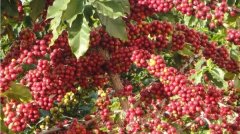
Boutique Coffee Science explains in detail the grades and grades of coffee beans
National place name: indicates the area where coffee is produced. For example, Ethiopia. Harald shows that the product is produced in Harald, Ethiopia. It should be noted here that the name of the country is the same, but when the region and year are different, the quality of coffee is different, and the taste of coffee is not guaranteed to be consistent. Port of export: indicates the port of export of coffee. Coffee of the same origin and brand in the same place.

Coffee cup taste (cup test) terms that must be understood when tasting coffee.
When we measure coffee, we should distinguish whether the flavor, mellow thickness, acidity and wet aroma of the coffee are pleasant. Most cup tasters use the following criteria to judge coffee. While tasting the coffee, you should try to discern whether the flavor, body, acidity and aroma of the coffee is pleasa

Diagram of the proportion of gouache in hand-brewed coffee
Hand-brewed coffee gouache ratio step diagram practical parameters of hand-brewed coffee proportion [heavy taste] 1 coffee bean grams than black coffee milliliters), that is, gold cup criteria of 1 12.5 grams 1bureau 13.5 (beans weigh more milliliters than raw water) [moderate taste] 1 12 cup 1pur13 (I. E. gold cup criteria 1V 14.5 grams 1lane 15.5) [refreshing] 1:14 ~ 1:16 (that is, 1RV 16.5 of the Golden Cup Criterion)
A hermit in the coffee kingdom of Brazilian Santos coffee beans.
Origin: Brazilian grade: good granule: relatively full acidity: slight acid uniformity: stable roasting: low to deep flavor: neutral beans, low acid, smooth and round Brazil grows Arabica and Robusta coffee, but mainly Arabica coffee, mostly dried. There are about 3.97 billion coffee trees in Brazil, and the number of people engaged in coffee production is elder brother

What does the cleanliness in coffee roasting mean the source of coffee astringency coffee bean roasting temperature and time
In the coffee roasting class, we keep talking about how to find clean roasting, which is actually the most direct description of the preparation of different drinks and the criteria for judging the coffee beans used for production, so some people always ask, what does clean baking mean? Today, I hope to explain it in a more specific and visual way through this article, because when it comes to coffee, we must be able to understand.