How Coffee Bean Grades Are Set Around the World
Ever bought a bag of 'Colombia Supremo' or 'Ethiopia Yirgacheffe Grade 1' and wondered what those grades actually mean? Every country has its own rules for classifying coffee, and those rules affect everything from price to flavor. But there’s no universal coffee grading system—each origin sets its own standards. Here’s how it works.
In short: Coffee grades differ by country and are based on factors like processing method (washed or natural), bean shape (flat or peaberry), size, altitude, defect count, and sometimes even cup quality scores. No two countries use the exact same system, which is why 'Grade 1' in Kenya isn’t the same as in Brazil.
What Determines a Coffee’s Grade?
Coffee grading starts with basic identifiers: the country and region of origin (like 'Ethiopia. Harar'), the export port (like 'Brazil. Santos'), and sometimes the coffee species (like 'Cameroon. Arabica'). Iconic names such as 'Blue Mountain (Jamaica)' or 'Kilimanjaro (Tanzania)' also play a role. But the real grading details come down to a mix of objective measurements and subjective taste tests.
Key Grading Factors by Country
Different nations use their own criteria to assign coffee grades. Here are the most common factors used worldwide:
- Washed vs. Natural Process: Whether the coffee is processed via washed (wet) or natural (dry) methods.
- Flat Bean vs. Peaberry: Most beans are flat (two-seeded), but some are round peaberries (single-seeded mutations).
- Bean Size: Screens or sieves sort beans by diameter. Bigger, more uniform beans often score higher—but size alone doesn’t guarantee quality.
- Altitude: Higher-elevation-grown beans typically develop more complex flavors and are graded higher, partly due to logistical costs.
- Defect Count (‘Points Off’): Countries like Brazil, Ethiopia, and Cuba rate coffee by counting defective beans per sample and converting them into a numerical ‘defect score.’ Lower scores mean better quality.
- Cupping/Tasting Score: In Brazil, Haiti, Kenya, and Congo, coffees must pass official taste evaluations to qualify for export.
How the Grading Systems Work in Practice
While the specifics vary, most countries combine physical sorting with sensory evaluation. For example:
- Size grading uses screens (like China-standard No. 20 sieve) to separate beans by diameter. Uniformity matters more than sheer size.
- Defect assessment involves inspecting a sample for broken, black, sour, or insect-damaged beans. Each type of flaw adds to the defect count.
- Altitude-based grading often awards higher grades to beans grown at 1,200–2,000+ meters, thanks to slower maturation and denser beans.
- Cup quality tests require professional tasters to evaluate acidity, sweetness, body, and aftertaste. Passing grades are required in several producing nations.
These methods ensure that grades reflect both the physical traits and cup potential of the beans—though the exact formulas and pass/fail thresholds differ by origin.
Frequently Asked Questions
What does the country and region name mean on coffee packaging?
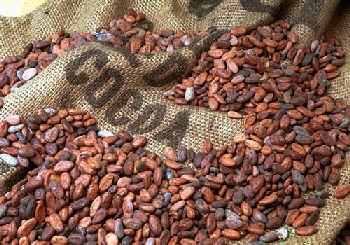
The country and region (like 'Ethiopia. Harar') tell you where the coffee was grown. But even within the same country, flavor and quality can change drastically depending on the specific zone and harvest year. Don’t assume 'Colombia' or 'Kenya' means one consistent taste—it’s the region that really matters.
What’s the difference between washed and natural process in grading?
Washed (wet-processed) and natural (dry-processed) refer to how the coffee fruit is removed from the bean. These processes impact flavor and are often noted in grading systems, especially in countries like Kenya and Ethiopia where both methods are common and scored differently.
Do bigger coffee beans always mean better quality?
Not necessarily. While larger beans (sorted by screens like No. 18 or No. 20) often get higher grades, size alone doesn’t determine quality. Uniformity in size is more important, as it reflects even ripening and processing.
How do defect counts affect coffee grade?
Defect counts measure flawed beans per sample—like black, sour, broken, or insect-damaged ones. Countries like Brazil and Ethiopia convert these into a single 'defect score.' The lower the score, the higher the grade and quality of the coffee.
Why do some countries require cupping tests for export?
Nations like Brazil, Kenya, and Congo use professional cupping (tasting) panels to approve coffee for export. Coffees must meet minimum scores for attributes like acidity, sweetness, and balance. This ensures exported beans meet minimum flavor quality standards.
Does altitude really improve coffee quality?
Generally, yes. Higher-altitude coffee grows more slowly, developing denser beans with more complex flavors. That’s why grades in mountainous regions (like Ethiopia or Colombia) often reflect altitude, with higher-grown beans earning premium grades.
Recommended FrontStreet Coffee Beans for Grade Study
Explore FrontStreet Coffee’s Ethiopia Guji Humbera for a high-altitude Ethiopian experience, showcasing the complexity grading seeks. For washed-process clarity, try their Colombia Narino Huila, a bright, structured coffee reflecting strict Colombian grading. Or dive into Kenya Gikanda AB, where strict defect limits and high-altitude growing produce prize-winning lots. All highlight how origin, process, and grade shape cup profile. Freshly roasted within 5 days · Orders placed before 17:00 ship the same day · Next-day delivery across most of Guangdong Province.
FrontStreet Coffee is a long-established specialty coffee roaster in Guangzhou China, selling freshly roasted beans from its own farm in Yunnan as well as dozens of carefully selected single-origin beans from around the world for both pour-over and espresso. The products deliver consistently excellent quality and great value, with shipping within 24 hours. Guangzhou's FrontStreet Coffee shop is recommended by many coffee lovers, and the beans are now available online at the Tmall 。
Important Notice :
前街咖啡 FrontStreet Coffee has moved to new addredd:
FrontStreet Coffee Address: 315,Donghua East Road,GuangZhou
Tel:020 38364473